
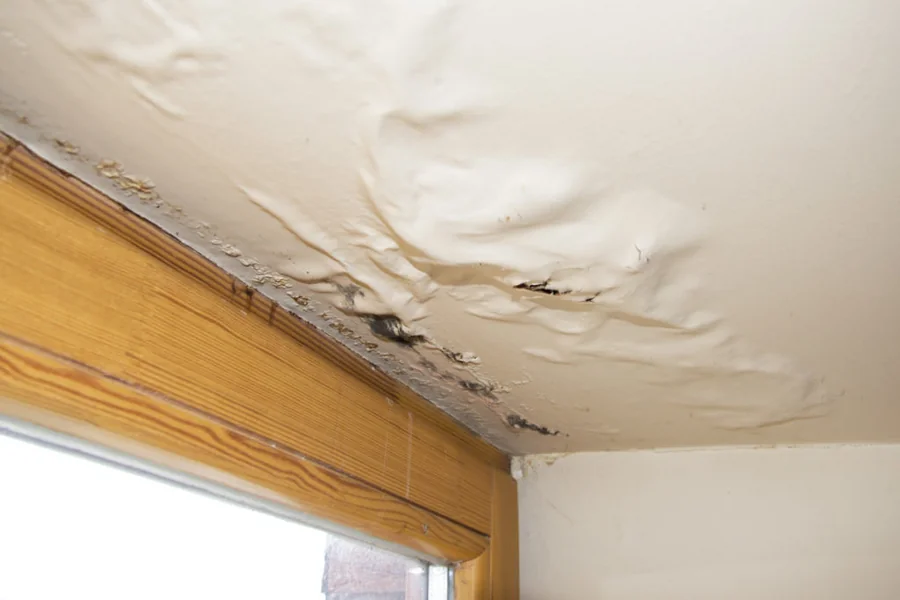
Water damage is a common and costly problem for homeowners, often leading to structural issues, mold growth, and expensive repairs. Understanding the sources of water intrusion is essential for maintaining a safe and healthy living environment. From leaky roofs to faulty plumbing, water can find its way into your home through various channels, sometimes going unnoticed until significant damage has occurred. By identifying the most frequent causes of water damage, you can take proactive steps to protect your property and avoid the stress and expense of major restoration work.
What Leads to Water Damage?
Leaky Roofs and Their Impact
A leaky roof is one of the most frequent sources of water damage in residential properties. Over time, roofing materials can deteriorate due to exposure to harsh weather conditions, such as heavy rain, snow, and strong winds. Missing or damaged shingles, cracked flashing, and clogged gutters can all contribute to water seeping into the attic and upper floors. Once water penetrates the roof, it can saturate insulation, weaken wooden structures, and create the perfect environment for mold and mildew to thrive. Homeowners may not notice the problem immediately, as leaks often start small and worsen gradually. Regular roof inspections and timely repairs are crucial for preventing water from entering your home and causing extensive damage. Addressing minor issues promptly can save you from more significant problems down the line, such as compromised structural integrity and costly mold remediation.
Faulty Gutters and Downspouts
Gutters and downspouts play a vital role in directing rainwater away from your home’s foundation. When these systems become clogged with leaves, debris, or dirt, water can overflow and pool around the base of your house. This pooling can lead to foundation cracks, basement flooding, and even erosion of the surrounding landscape. In some cases, improper installation or neglecting regular maintenance can exacerbate these issues. For homeowners in Joliet, a professional gutter install joliet service can ensure that your gutters are functioning correctly and efficiently channeling water away from your property. Keeping gutters clean and in good repair is a simple yet effective way to prevent water from infiltrating your home and causing long-term damage.
Plumbing Failures and Hidden Leaks
Plumbing failures are another significant contributor to water damage in homes. Pipes can burst or develop leaks due to age, corrosion, freezing temperatures, or excessive water pressure. Even a small, slow leak behind a wall or under a floor can cause substantial damage over time, as moisture accumulates and weakens building materials. Hidden leaks are particularly problematic because they often go undetected until visible signs, such as water stains, warped flooring, or musty odors, appear. Regularly inspecting your plumbing system and addressing any signs of trouble can help you catch leaks early and minimize the risk of extensive water damage. In addition, upgrading old pipes and fixtures can provide added peace of mind and reduce the likelihood of unexpected plumbing emergencies.
Appliance Malfunctions
Household appliances that use water, such as washing machines, dishwashers, water heaters, and refrigerators with ice makers, can also be sources of water damage. Over time, hoses and connections can wear out, crack, or become loose, leading to leaks that may go unnoticed until significant damage has occurred. Water heaters, in particular, are prone to rust and corrosion, which can result in leaks or even tank failure. Regular maintenance, including checking hoses and connections for signs of wear and replacing them as needed, is essential for preventing appliance-related water damage. Placing appliances on drip pans and ensuring they are installed on level surfaces can also help contain leaks and minimize the risk of water spreading to other areas of your home.
Window and Door Leaks
Windows and doors are common entry points for water, especially during heavy rain or storms. Poor installation, aging seals, and damaged weatherstripping can allow water to seep in around frames, leading to rot, mold, and damage to walls and flooring. Over time, even small leaks can cause significant problems, particularly if they are not addressed promptly. Inspecting windows and doors regularly for signs of moisture, such as peeling paint, discoloration, or soft spots, can help you identify and fix leaks before they escalate. Replacing worn-out seals and weatherstripping, as well as ensuring proper caulking around frames, can go a long way in keeping water out and preserving the integrity of your home’s structure.
Quick Tip: Monitor Humidity Levels
Maintaining proper indoor humidity levels can help prevent condensation and reduce the risk of water damage. Using dehumidifiers and ensuring good ventilation in areas like bathrooms and basements can make a significant difference.
Foundation Cracks and Drainage Issues
The foundation of your home is designed to provide stability and support, but it can also be vulnerable to water damage if not properly protected. Cracks in the foundation can develop due to settling, temperature fluctuations, or poor construction practices. When water accumulates around the foundation, it can seep through these cracks and enter your basement or crawl space. Poor drainage, such as inadequate grading or malfunctioning sump pumps, can exacerbate the problem by allowing water to pool near the foundation. Over time, this moisture can weaken the foundation, promote mold growth, and lead to costly repairs. Ensuring that your property is graded to direct water away from the house and maintaining your drainage systems are essential steps in protecting your foundation from water damage.
Conclusion
Water damage can have far-reaching consequences for homeowners, affecting everything from structural integrity to indoor air quality. By understanding the most common causes, such as leaky roofs, faulty gutters, plumbing failures, appliance malfunctions, window and door leaks, and foundation issues, you can take proactive measures to safeguard your home. Regular maintenance, timely repairs, and attention to potential problem areas are key to preventing water intrusion and minimizing the risk of costly damage. Staying vigilant and addressing issues as soon as they arise will help ensure your home remains safe, dry, and comfortable for years to come.