
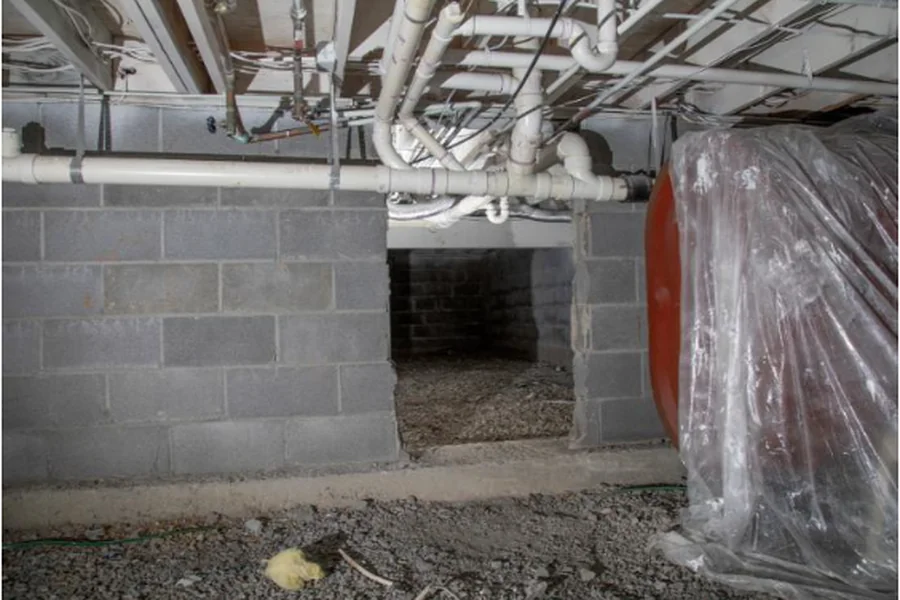
Water in a basement usually points to a specific source. A damp corner, dark wall stain, or small puddle may seem minor, yet repeated moisture often signals a drainage, plumbing, or foundation issue. Finding the source early matters because recurring water can damage flooring, drywall, insulation, stored items, and finished spaces.
Basement leak repair starts with finding the path water follows into the building. The visible wet spot may be several feet away from the actual entry point. Rainwater may move through soil and enter through a crack, groundwater may push upward through a floor joint, or a plumbing leak may travel behind a wall before it appears. When and where moisture shows up often provides the first clue.
Where Basement Water Usually Starts
Basements sit below ground level, placing foundation walls and floors in direct contact with surrounding soil. During heavy rain or snowmelt, that soil may hold a large amount of water. If drainage around the structure is poor, moisture may collect near the foundation and search for an opening.
Foundation cracks are one common route. Gaps around utility lines, basement windows, and wall-floor joints may also provide entry points. Clogged gutters or short downspouts may dump roof runoff beside the foundation, while soil that slopes toward the house may guide water in the same direction.
Groundwater creates another challenge. When the water table rises, pressure beneath and beside the foundation may force moisture through small openings or porous concrete. This process is often called hydrostatic pressure.
Not Every Basement Leak Is Structural
A wet basement does not automatically mean the foundation is failing. Plumbing lines, water heaters, washing machines, sinks, and other fixtures may leak and create symptoms that resemble foundation seepage.
Condensation also deserves attention. Warm, humid air meeting cool basement walls or pipes may leave surfaces damp even when no outside water is entering.
Timing offers useful clues. Water that appears during or shortly after heavy rain often points toward exterior drainage or foundation entry. Moisture appearing while a fixture is running may point toward plumbing. Dampness that becomes more noticeable during humid weather may be related to condensation.
Reading the Warning Signs Early
Standing water gets attention fast, but basement leaks often announce themselves in quieter ways. Watch for dark patches on walls, peeling paint, swollen trim, warped flooring, rust, musty odors, and white powdery deposits on concrete.
Those white deposits are known as efflorescence. They form when water moves through masonry and leaves mineral salts behind as it evaporates. Efflorescence does not prove major structural damage, but it shows that moisture has traveled through the material.
Basement leak repair becomes easier to plan when these signs are documented. Take photos after storms, note where dampness begins, and compare the same areas over time. Patterns often reveal more than a single inspection on a dry day.
Finding the Source Before Fixing It
Good diagnosis starts inside and continues outside. In the basement, inspect walls, floors, windows, plumbing connections, utility openings, and the joint where walls meet the floor. Look for dripping, stains, cracks, mineral deposits, or old repair material that has separated.
Outside, check gutters, downspouts, window wells, landscaping, and ground slope. Look for low areas where water collects close to the foundation. Downspouts that empty directly beside the wall deserve special attention because roof runoff may quickly saturate nearby soil.
The U.S. Environmental Protection Agency notes that water may enter a building through leaks or seepage through basement floors. Its moisture-control guidance also highlights grading, gutters, and leak repair as key parts of moisture management. Readers may review the U.S. EPA moisture-control guidance for additional information.
The Right Repair Depends on Cause
No single basement leak repair method works for every wet basement. A crack, failed drain, poor grading, and high groundwater each require a different response.
Small nonstructural cracks may be sealed or injected with materials designed to block water movement. Larger, widening, or displaced cracks deserve closer evaluation because they may indicate foundation movement that sealing alone will not resolve.
Drainage improvements may involve extending downspouts, correcting soil slope, clearing gutters, or improving window-well drainage. These changes reduce the amount of water collecting near the foundation.
Persistent groundwater problems may call for an interior perimeter drain. The system collects water near the basement edge and directs it toward a sump basin. A sump pump then moves the collected water away from the structure.
Some situations require exterior waterproofing. That process may involve excavation, wall preparation, waterproofing materials, and drainage components installed along the outside of the foundation. It targets water before it reaches the interior wall.
Why Drying the Basement Still Matters
Stopping the source is the main objective, but wet materials still need attention afterward. Carpet, drywall, insulation, cardboard, and wood may hold moisture even after standing water disappears.
The EPA advises drying wet or damp materials quickly and correcting the water source because lingering moisture supports mold growth. Controlling indoor humidity also reduces condensation and persistent damp conditions.
A dehumidifier may help after a leak, especially in humid weather. Depending on the amount of water involved, you may also need air movement and removal of heavily soaked materials.
Reducing the Chance of Another Leak
Once basement leak repair is complete, routine observation becomes valuable. Keep gutters clear, ensure downspouts move water away from the foundation, and make sure low spots in the soil don’t direct runoff toward the house.
Check sump equipment according to the manufacturer’s instructions and watch previous leak locations during strong storms. Inspect visible cracks for changes in width or length. Keep window wells clear of leaves, soil, and other debris that may interfere with drainage.
These maintenance tasks can reduce avoidable water exposure and make new moisture problems easier to spot.
Knowing When an Inspection Makes Sense
Repeated leaks deserve more than another coat of paint or a towel on the floor. Consider a professional evaluation when water returns after storms, the source remains unclear, foundation cracks change, walls appear bowed, or large amounts of water enter the basement.
Basement leak repair works best when the solution matches the source. Covering a stain may hide the evidence without stopping the water. Tracing the moisture path gives the repair a much stronger starting point.
Document what happens before an inspection. Note recent rainfall, the location of wet areas, changes in cracks, and how quickly water accumulates. Photos taken at different times may provide useful clues about how the problem develops.
A Drier Basement Starts With Source
Basement water may come from cracks, poor grading, clogged drainage, groundwater pressure, plumbing, or condensation. Each source leaves different clues, so pay attention to timing, location, and weather conditions.
The best response is to identify where the water begins, correct the underlying cause, dry affected materials, and keep monitoring the area afterward. Early attention may keep a small moisture issue from developing into a larger foundation or water-damage problem.
If water keeps finding its way into your basement, Racine Foundation Repair Experts provides professional foundation inspections and repair services for leaking and moisture-prone basements. Contact us to discuss the signs you are seeing and explore the right next step for your foundation.