
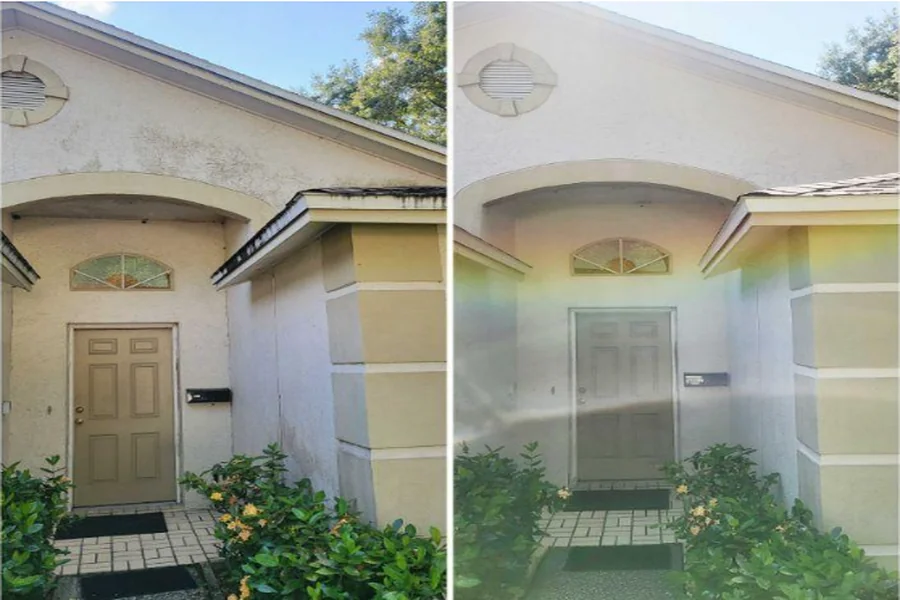
Outdoor spaces work hard. Driveways handle cars and foot traffic, patios become gathering spots, and walkways take a beating from rain, soil, leaves, and everything carried in from the yard. Even surfaces that look fine from a distance may slowly collect pollen, algae, mildew, dust, and stains. Regular exterior cleaning offers a practical way to freshen these areas without replacing materials or planning a major renovation.
Modern pressure washing has moved far beyond blasting dirt off a driveway. Adjustable equipment, surface cleaners, specialized nozzles, and material-specific techniques give people more options for maintaining patios, pavers, sidewalks, pool surrounds, fences, and other outdoor areas. The best results come from matching the cleaning method to the surface, not reaching for maximum water pressure.
A fresh exterior also changes how an outdoor area feels. Clean paths look more inviting, patios feel ready for gatherings, and neglected corners become useful again. For many people, exterior cleaning has become part of seasonal upkeep rather than something saved for severely stained surfaces.
Exterior Cleaning Has Changed
Years ago, power cleaning was often associated mainly with concrete driveways and sidewalks. Today, people are more aware of how different surfaces respond to water, cleaning products, temperature, and pressure.
Concrete may tolerate a stronger setting than painted wood or an older fence. Pavers may have joints that need special attention. Pool areas may require extra care because of nearby landscaping, drainage, and people walking barefoot.
Modern equipment gives operators greater control over pressure levels and spray patterns. Surface-cleaning attachments also distribute water more evenly across large flat areas, reducing streaks and inconsistent results.
The biggest lesson is simple. More force does not automatically create a cleaner surface.
Start With the Driveway
Driveways remain one of the most common exterior cleaning projects for good reason. Tires, vehicle fluids, soil, leaves, lawn clippings, and everyday traffic gradually leave marks behind.
Routine pressure washing may remove layers of general dirt and organic buildup, restoring a more uniform appearance. Some stains require additional treatment. Oil, rust, paint, and deeply absorbed substances may remain visible after ordinary cleaning.
Cleaning the driveway also creates an opportunity to inspect the surface. Cracks, loose material, uneven sections, and damaged joints are easier to notice once you remove layers of grime.
Consider including nearby sidewalks, aprons, steps, and entry paths during the same project. Cleaning connected surfaces together usually creates a more consistent result than treating one small section at a time.
Give Patios a Fresh Start
Patios collect more than people realize. Food spills, plant debris, dirt from shoes, pollen, moisture, and shaded conditions can gradually affect the surface.
Before cleaning, remove furniture, rugs, toys, planters, grills, and other movable objects. Sweep away loose debris and look closely for stains or damaged areas.
Choose cleaning methods that match the patio material. Concrete, natural stone, brick, and pavers have different characteristics. Older surfaces may also require lower pressure than newer materials.
Once finished, allow the patio to dry before returning furniture and decorations. The result provides a clean base for dining, relaxing, grilling, and entertaining without changing the entire space.
Look Beyond the Obvious Areas
Some of the most noticeable improvements come from areas people usually overlook.
Walk around the exterior and inspect retaining walls, garden borders, outdoor steps, pathways, pool surroundings, garage aprons, trash bin pads, and suitable fencing. Dirt often builds up slowly in these locations, so the change may not show up until the surface gets a thorough cleaning.
Shaded areas deserve extra attention. Moisture tends to linger longer where sunlight is limited, creating favorable conditions for algae and other organic growth.
Pressure washing these forgotten areas may create a more complete exterior refresh than concentrating entirely on the driveway.
Adjust the Method for Each Material
Never use one setting blindly across every outdoor surface.
Concrete is generally tougher than painted materials, aging wood, or decorative finishes. Holding a nozzle too close or using excessive force may leave marks, strip coatings, disturb joint material, or damage weakened surfaces.
Start by identifying the material and inspecting its condition. Test a small, less noticeable section before cleaning a large area. Watch for loose paint, cracking, surface deterioration, or discoloration.
Nozzle selection and distance also matter. A narrow spray concentrates water in a smaller area, while a wider pattern spreads the force across more surfaces.
Cleaning should remove unwanted buildup without becoming a demolition project in disguise.
Consider Weather Before Starting
Timing influences the cleaning process more than many people expect.
Extremely hot surfaces may cause certain cleaning products to dry too quickly. Strong winds may carry spray toward vehicles, plants, windows, or neighboring areas. Heavy rain shortly after a project may move additional debris back onto freshly cleaned surfaces.
Mild, relatively calm weather is usually easier to work in.
Seasonal timing matters too. Spring cleaning may target pollen and winter residue, while fall cleaning may focus on leaves, organic buildup, and summer grime.
There is no universal schedule. Climate, shade, nearby trees, traffic, landscaping, and surface materials all affect how quickly an outdoor area becomes dirty again.
Keep Water Runoff in Mind
Cleaning an exterior surface also means thinking about where the wash water goes.
Water moving across pavement may carry dirt, oil, chemicals, lawn debris, and other pollutants toward storm drains. According to the U.S. Environmental Protection Agency, stormwater flowing over hard surfaces may collect pollutants before reaching streams, lakes, groundwater, and other water resources.
Readers interested in learning more can review the EPA’s information about urbanization and stormwater runoff.
Before beginning a project, sweep away loose debris rather than washing everything toward a drain. Follow product labels when using cleaning solutions, and check local rules on wastewater or storm drain discharge.
A clean driveway should not come with a dirty downstream surprise.
Build Cleaning Into Seasonal Upkeep
Exterior cleaning is easier when you do it before buildup becomes severe.
Walk around outdoor spaces several times throughout the year. Look for green growth, dark staining, slippery sections, vehicle residue, leaf marks, dirt accumulation, and other visible changes.
You don’t need to clean every surface on the same schedule. A shaded walkway might need attention before a sunny patio. A heavily traveled driveway may become dirty faster than a backyard path.
Periodic inspections also reveal when cleaning is not the answer. Cracked concrete, failing coatings, damaged pavers, loose materials, or drainage problems may require repair before another cleaning session.
Know When the Project Is Bigger
Smaller ground-level projects may seem straightforward, but larger or delicate areas bring additional considerations.
Multi-surface projects require different pressure settings and techniques. Stubborn stains may need pretreatment. Elevated surfaces introduce access and safety concerns. Older materials may need extra care.
Professional equipment also includes attachments designed for specific surfaces and larger areas. That becomes useful when a project involves extensive concrete, several outdoor zones, difficult staining, or surfaces where incorrect pressure could cause damage.
Before starting, consider the material, condition, size, accessibility, drainage, and type of buildup involved.
A Cleaner Outdoor Space Starts With Awareness
Outdoor areas do not need a complete makeover to feel refreshed. Removing accumulated dirt and organic buildup may reveal how much character was already hiding underneath.
Thoughtful pressure washing starts with understanding the surface, choosing an appropriate cleaning method, monitoring weather conditions, and watching for runoff. Driveways may be the traditional starting point, but patios, walkways, steps, pavers, retaining walls, and other suitable exterior areas deserve attention too.
Regular inspection makes the process easier. Instead of waiting for surfaces to become heavily stained, periodic cleaning keeps outdoor areas looking cared for and ready for everyday use.
For exterior cleaning services in Brandon, choose Brandon Pressure Washing Pros for driveways, patios, sidewalks, and other outdoor surfaces. Visit brandonpressurewashingpros.com to explore available services and plan your next exterior refresh.