
A professional pest inspection is a crucial step for homeowners and property managers who want to maintain a safe, healthy, and comfortable living environment. Pests can cause significant damage to structures, contaminate food supplies, and even pose health risks to residents. A thorough inspection not only identifies current infestations but also uncovers potential vulnerabilities that could lead to future problems. By understanding what a comprehensive pest inspection should entail, property owners can make informed decisions about protecting their investment and ensuring the well-being of everyone who lives or works on the premises.
What to Expect from a Pest Inspection
Comprehensive Interior Assessment
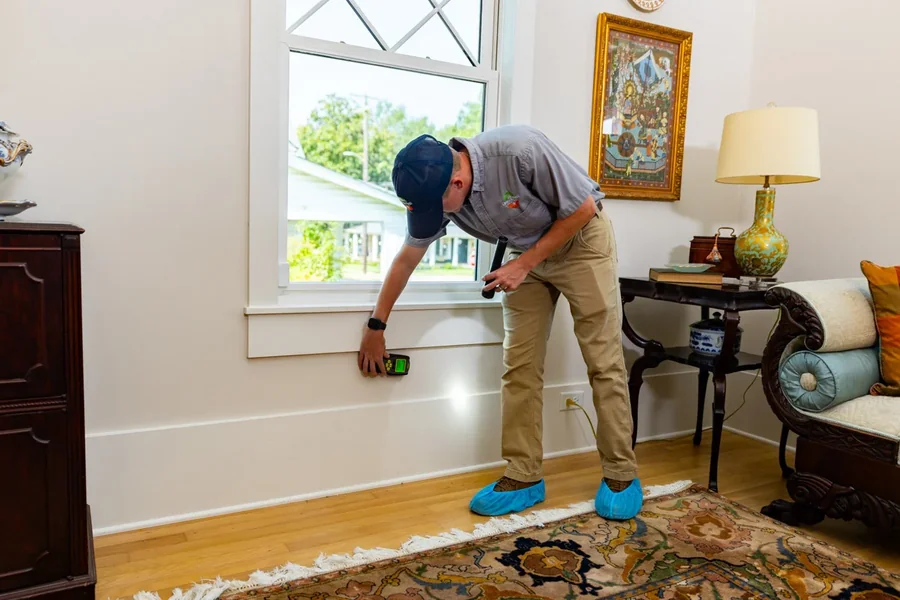
A professional pest inspection begins with a detailed evaluation of the interior of the property. Inspectors focus on areas where pests are most likely to hide or gain entry, such as basements, attics, kitchens, bathrooms, and utility rooms. They look for signs of pest activity, including droppings, gnaw marks, shed skins, and unusual odors. Inspectors also check for structural issues like cracks in walls, gaps around windows and doors, and moisture problems that can attract pests. Special attention is given to plumbing and electrical entry points, as these are common access routes for rodents and insects. The inspector may use tools such as moisture meters and flashlights to thoroughly examine hidden or hard-to-reach spaces. By carefully assessing the interior, the inspector can identify both active infestations and conditions that may encourage future pest problems, providing a clear picture of the property’s current state.
Exterior Inspection and Vulnerability Check
The exterior of a property is the first line of defense against pests, making a thorough outdoor inspection essential. Inspectors walk the perimeter of the building, examining the foundation, siding, roofline, and eaves for any signs of pest entry or damage. They look for cracks, holes, or gaps that could allow insects or rodents to enter. Landscaping features such as trees, shrubs, and mulch beds are also evaluated, as overgrown vegetation or accumulated debris can provide shelter and pathways for pests. Drainage and water management are assessed to ensure that standing water or poor grading is not creating a hospitable environment for mosquitoes or termites. Inspectors may also check outdoor structures like sheds, garages, and decks for signs of infestation. By identifying and documenting these vulnerabilities, property owners can take proactive steps to seal entry points and modify landscaping practices, reducing the risk of future pest issues. For those seeking reliable solutions, Pest Control Middletown DE services can address both current infestations and long-term prevention.
Identification of Pest Types and Activity
A critical component of any professional pest inspection is the accurate identification of the pests present and the extent of their activity. Inspectors are trained to recognize the subtle differences between various species, which is important because treatment methods can vary significantly depending on the pest involved. For example, the approach to eliminating termites is different from that used for ants, cockroaches, or rodents. Inspectors gather evidence such as droppings, nests, tracks, and damage patterns to determine which pests are active on the property. They may also use monitoring devices or traps to confirm the presence of elusive pests. Understanding the type and level of infestation allows for the development of a targeted treatment plan that addresses the specific needs of the property. This step is essential for effective pest management and helps prevent the recurrence of infestations by addressing the root causes.
Evaluation of Health and Safety Risks
Beyond structural damage, pests can pose significant health and safety risks to occupants. During a professional inspection, the inspector assesses the potential for disease transmission, allergic reactions, and contamination of food or water sources. Rodents, for example, can carry bacteria and viruses that are harmful to humans, while cockroaches are known to trigger asthma and allergies. Inspectors look for evidence of pest activity in areas where food is stored or prepared, as well as in HVAC systems where droppings or nesting materials can compromise air quality. The inspector may also evaluate the risk of bites or stings from insects such as spiders, wasps, or fleas. By identifying these hazards, the inspection provides valuable information that can be used to protect the health and well-being of everyone on the property. Recommendations may include improved sanitation practices, repairs to prevent pest entry, or the use of safe and effective pest management solutions.
Importance of Regular Inspections
Regular pest inspections are essential for maintaining a pest-free environment and preventing costly damage. Even if there are no obvious signs of infestation, pests can remain hidden for long periods, causing harm behind walls or under floors. Routine inspections help catch problems early, allowing for prompt intervention before infestations become severe. This proactive approach saves money in the long run and ensures that the property remains safe and comfortable for all occupants.
Detailed Reporting and Recommendations
After completing the inspection, the professional provides a detailed report outlining their findings and recommendations. This report typically includes descriptions of any pest activity observed, areas of concern, and photographs to document evidence. The inspector will also suggest specific actions to address current infestations and prevent future problems. These recommendations may involve repairs to the structure, changes to landscaping or sanitation practices, and the implementation of ongoing pest management strategies. The report serves as a valuable resource for property owners, guiding them in making informed decisions about maintenance and pest control. It also provides documentation that can be useful for real estate transactions or insurance claims. By following the inspector’s recommendations, property owners can take effective steps to protect their investment and ensure a safe, healthy environment.
Conclusion
A professional pest inspection is a vital part of property maintenance that goes far beyond simply checking for visible pests. It involves a thorough assessment of both the interior and exterior of the property, identification of pest types and activity, evaluation of health and safety risks, and the provision of detailed reports and recommendations. Regular inspections help catch problems early, prevent costly damage, and protect the health of everyone on the premises. By understanding what a comprehensive pest inspection should include, property owners can take proactive steps to maintain a pest-free environment and safeguard their investment for years to come.