
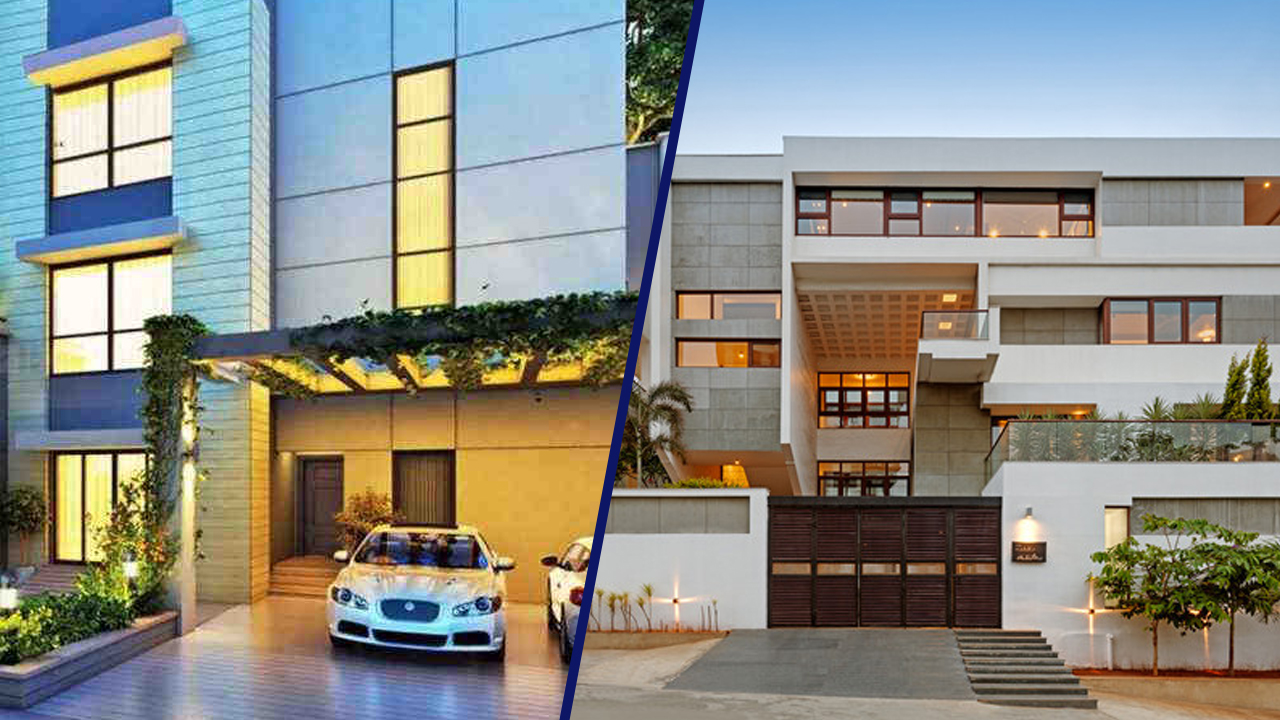
A bungalow-style villa in 2026 calls for a close look at comfort, cost, and long-term value. Privacy, land share, access, and upkeep now carry equal weight in the decision. A villa may help improve daily comfort when the location and layout suit the household. This guide explains the key factors that can shape a practical purchase decision.
1. What Buyers Need to Check
A 2026 villa purchase blends lifestyle needs, land cost, and city access. For villas in India, the core question is less about status and more about fit. A bungalow format can give a private plot feel, open space, and a quieter daily pace. Yet it can cost more if service, repair, and access are weak.
Across India, buyers check villas with apartments in more than one area. The choice may help improve family comfort when the plan has light, safe access, and useful outdoor space. It may also aid long-term value if civic work and papers are clear. Still, no villa should rest only on brochure visuals or large room names.
2. Land Share and Private Space
A bungalow-style home gains appeal from land share and personal entry. That can help with privacy, pet space, garden use, and guest access without lift delays. In India, such homes may suit families that value calm routines and fewer shared corridors. The value comes from actual use, not just a larger address.
Privacy has limits, as a compact villa row can feel close if side setbacks are narrow. For Bangalore, plot size and frontage may shape comfort as much as built area. A site visit at different hours helps with noise checks, access, and light quality.
3. Location Choices like City Edge or Prime Pocket?
The first location question is simple: Is the villa close to daily life? In India, many home clusters sit on growth corridors, while central city pockets stay rare and costly. A home near work hubs, hospitals, retail, and major roads may help reduce travel strain. A larger house far from essentials can become hard to use well.
Quick Site Check
- Title, approvals, and land share
- Road width, drainage, and water access
- Build quality, ventilation, and car bay
- Monthly charges and repair rules
4. Cost Past the Sale Price
A real estate budget should include stamp duty, interiors, staff areas, garden care, repairs, and charges. In India, these costs vary by city, plot size, and service level. Bungalow villas may need more spending on the roof, facades, pumps, paint, and garden upkeep. That does not make them poor assets, but it changes the true annual cost.
Homes can carry premium costs due to land value and local demand. Buyers also face higher service charges, repair rates, and limited contractor access in dense zones. A fair comparison should use the total cost over five to seven years. That may help reveal if the villa still fits the budget after the first purchase phase.
5. Resale Value and Rental Demand
Resale value depends on land, location, design relevance, and legal clarity. A well-planned community can hold appeal when civic access and upkeep stay strong. A dated plan, a poor approach road, or an unclear common area rule can hurt resale. The best value may come from homes that feel practical.
Rental demand is more selective, with interest usually coming from families, senior business owners, and people who value privacy near key city zones. Rental yield may not always match the ticket size, so capital safety matters. Due diligence on demand, vacancy risk, and repair cycles remain vital.
6. Design Fit for Family Life
A bungalow format can aid better zones between guest areas and private rooms. In India, multi-age families may value a lower-level bedroom, safe stairs, and staff access. The plan should support daily habits, meals, guests, storage, and quiet time. If the home needs heavy changes, the initial charm can turn costly.
Older properties may have old layouts that need structural checks before any upgrade. City rules and society norms can affect what may be changed. Look for natural light, cross breeze, dry zones, and clear service paths. A good design helps with comfort without excess dependence on air systems.
Villas in India can be worth a serious look in 2026 when the location, legal record, design, and upkeep cost align. The answer is not a flat yes or no, since daily use must match asset value. A bungalow-style villa may help improve comfort and space value for the right household. Use numbers, site visits, legal checks, and resale logic before the final call.