
Apple’s new iPhone models have made a significant step by adopting the USB-C connection, which replaces the long-favored Lightning connector. This update is more than simply a new cable; it represents a shift toward a more ubiquitous, quicker, and efficient charging and data solution. iPhone owners, particularly those with numerous devices, now have a strong incentive to switch. Aside from ease, USB-C has notable technological and cost advantages. USB-C chargers are proven to be the better option in terms of speed, convenience, and sustainability. Understanding what distinguishes them can help users realize the full potential of their gadgets.
What Makes USB-C Chargers Different from Lightning?
Universal Standard for Devices
USB-C has become the global charging standard for smartphones, tablets, laptops, and accessories. Unlike the exclusive Lightning connector, USB-C is supported by a diverse variety of technology firms, allowing customers to charge several devices with a single cable. This universality makes USB-C extremely useful, particularly in families with mixed-brand equipment. Users no longer have to manage several chargers or worry about compatibility difficulties. As more gadgets switch to USB-C, including Apple’s own iPads and MacBooks, iPhone owners will find the move easier. Embracing USB-C simplifies everyday gadget use and coincides with the future of digital connectivity.
Faster Data Transfer and Charging Speeds
One of the biggest advantages of usb c iphone charger over Lightning is speed. USB-C cables provide more power and quicker data transfer speeds. USB Power Delivery (USB-PD) enables consumers to charge their devices substantially faster—up to 50% in many circumstances in just 30 minutes. Large video files and backups may also be transferred more quickly, which is useful for those who manage content-heavy iPhones. Lightning’s outdated technology just cannot match these levels of performance. USB-C exceeds the previous Lightning standard in every measurable manner when it comes to power and data efficiency.
Compatibility Across Apple and Non-Apple Products
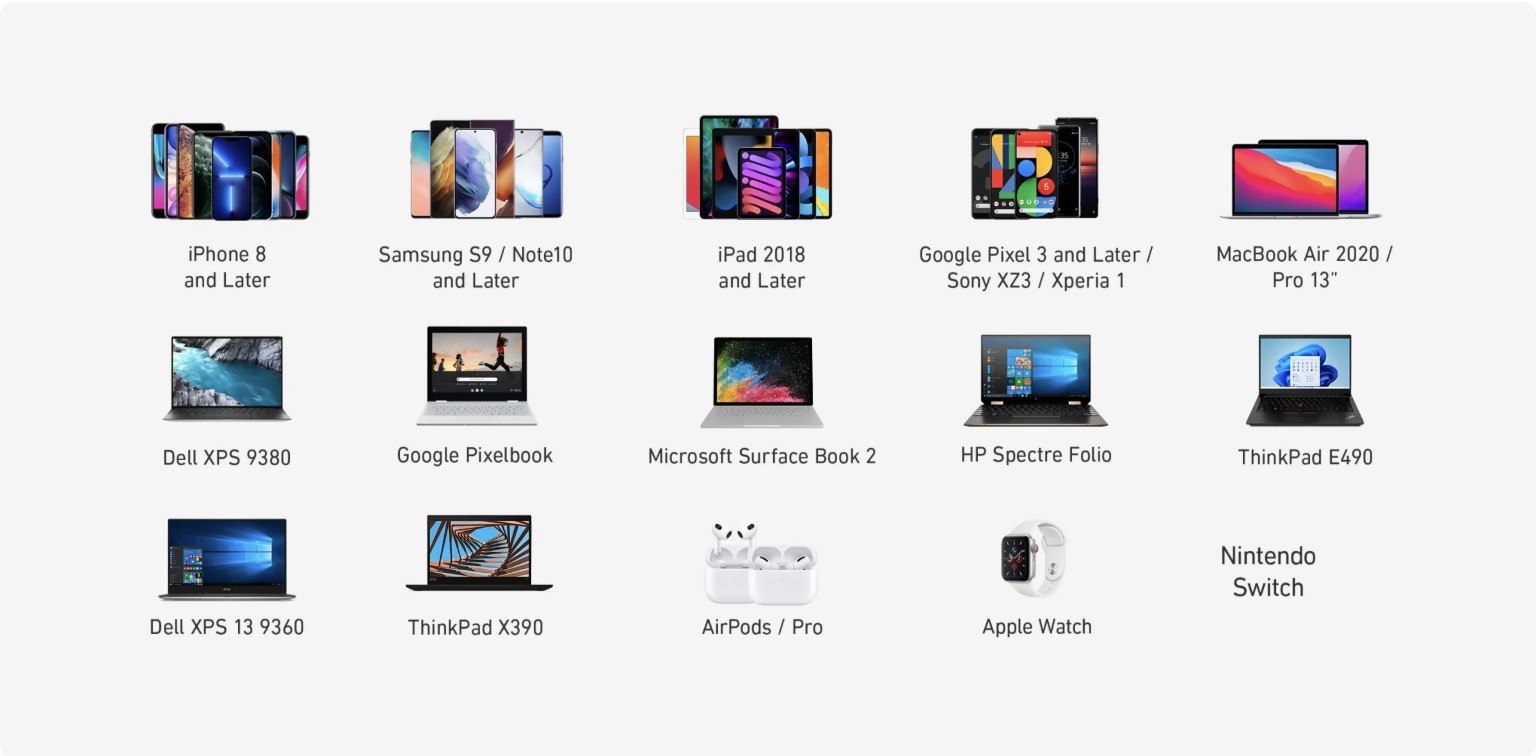
USB-C isn’t exclusive to Apple. Android smartphones, Windows laptops, game consoles, cameras, and other gadgets all use this connection. For iPhone owners who also use non-Apple gadgets, USB-C decreases the number of charges and cords required. Apple already utilizes USB-C in MacBooks and newer iPads, so moving to USB-C ensures a consistent charging experience. Users may borrow chargers from friends or utilize public USB-C connections without concern about compatibility. The emerging USB-C ecosystem enables customers to travel less, exchange cables, and stay charged across all of their digital devices without requiring a drawer full of adapters.
Why iPhone Users Are Making the Switch
Many iPhone owners are moving to USB-C chargers because the advantages are instantly apparent. Faster charging saves time on hectic days. One cable that connects all devices lowers clutter and increases convenience. Apple’s own support for USB-C in current devices helps to foster trust in the transition. Additionally, people like not having to purchase several peripherals for different devices. Tech enthusiasts and regular users alike recognize the practical benefits of a unified cable experience. This move also promotes future-proofing—using a standard that will not become obsolete very soon. These factors, together, are encouraging more iPhone owners to select USB-C over Lightning.
Is a USB-C Charger Really Worth It?
Long-Term Cost and Performance Benefits
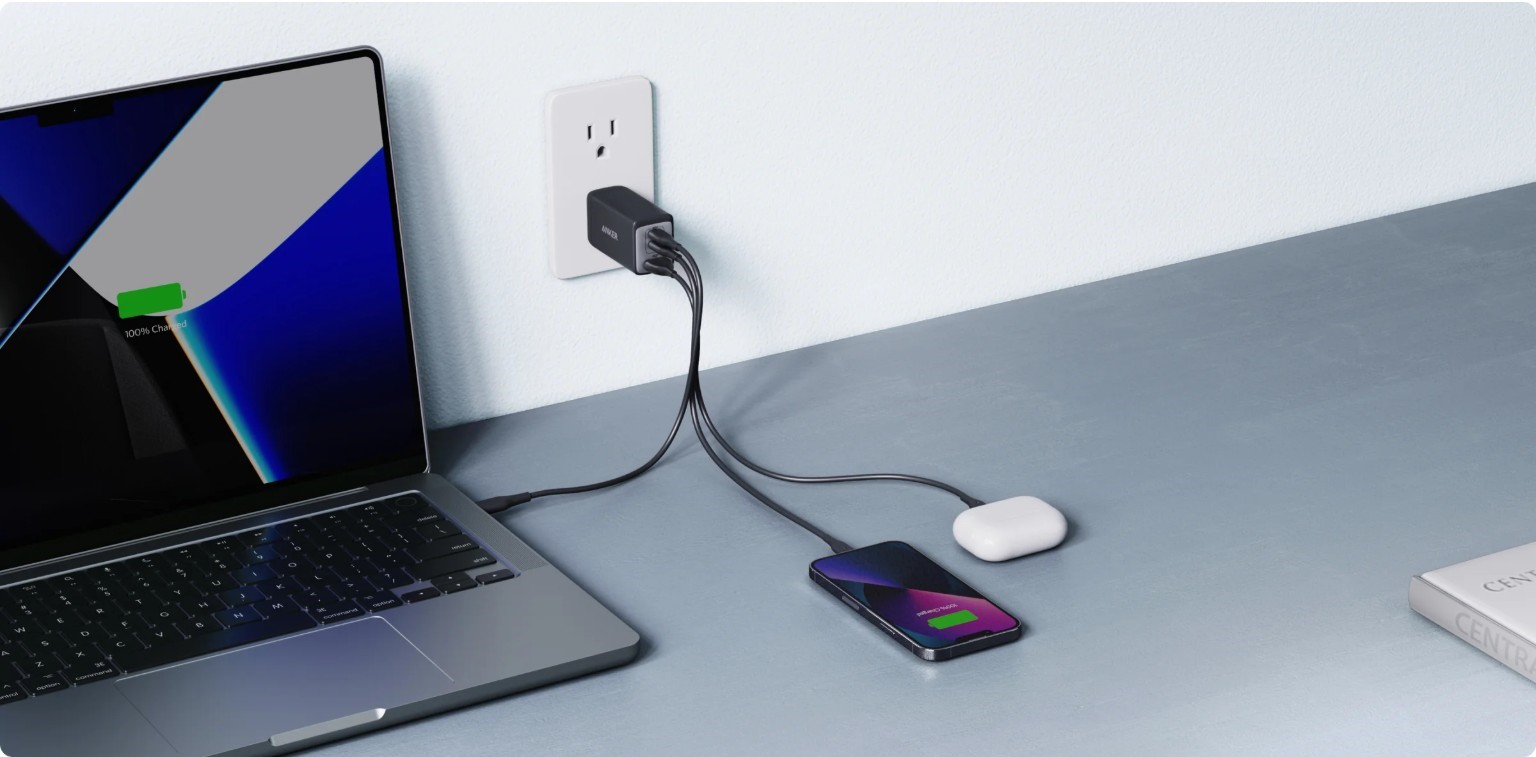
Although some people may feel that a new USB-C charger is unnecessary, the long-term benefits exceed the initial expense. Multiple devices may be charged by a single USB-C charger, doing away with the need for additional cords or chargers. Time spent waiting for battery life is also decreased by its quicker charging efficiency. Additionally, high-quality USB-C cables often last longer, reducing the need for replacements. Users eventually save money and trouble. Better everyday productivity is a result of USB-C’s improved performance, particularly for those who use their phones for business, video, or gaming. Over time, USB-C turns out to be the most cost-effective option.
Reduced Cable Clutter and Environmental Impact
Users may utilize fewer wires at home, at work, or when traveling by switching to USB-C. There are fewer tangled cables and simpler organization when there is less clutter. USB-C encourages device reuse, which lowers electronic waste from an environmental standpoint. Manufacturers may reduce accessory packing and reduce waste manufacturing by standardizing ports and charging techniques. Customers may also contribute by utilizing fewer cables and accessories, which reduces the amount of materials used and thrown away. Choosing USB-C promotes a more sustainable lifestyle, decreasing your tech footprint and partnering with green activities as environmental awareness rises.
AI Tech also plays a role in improving digital accessibility. As discussed on Techsslaash, AI tools support speech recognition, translation, and adaptive interfaces. These features make technology more inclusive. Techsslaash highlights how AI Tech helps bridge digital gaps for diverse users.
Enhanced Device Safety and Efficiency
Safety features, including temperature control, overcharge prevention, and voltage regulation, are frequently integrated into USB-C chargers. These precautions preserve the best possible charging performance while shielding electronics from harm. Compatibility and safety problems are more common with older Lightning cords, particularly third-party models. Users gain from USB-C’s more durable architecture, which can manage greater power without overtaxing or overheating the device. This dependability extends battery life and guarantees steady charging. Users may be assured of the performance and safety of USB-C technology, as Apple and other companies continue to make improvements. It’s a progressive update that safeguards user investment and the device.
Conclusion
For iPhone owners, the switch to USB-C chargers is more than just a technical change—it’s a significant advancement. USB-C surpasses the Lightning connector in nearly every way, including speed, compatibility, and long-term cost savings. Users of iPhones who switch to USB-C immediately will benefit from a more straightforward and effective technological experience. Additionally, they will be more equipped for upcoming Apple upgrades that keep up with this global norm. For people who appreciate ease, speed, and sustainability, selecting a USB-C charger is a wise choice. It’s rapidly taking over as the standard for powering Apple gadgets, so it’s not simply something to think about.