

Charging habits shape how long a phone lasts, how reliable it feels, and how safe it is to keep by your bedside or in your bag. Every day routines like plugging in at work, topping up in the car, or charging overnight can either support your battery’s health or quietly shorten its life. Good habits reduce heat, prevent wear, and lower the chance of rare but serious issues like swelling or damage. Better still, smart routines cost nothing and fit naturally into ordinary life, from breakfast to bedtime. In this article, you will learn the risks, common causes, and practical steps for safe smartphone charging.
Risks of Unsafe Charging
Unsafe charging raises the odds of heat buildup, which is the primary enemy of battery health and overall device reliability. Prolonged heat can accelerate battery aging, leading to faster drain times and more frequent charging cycles that create a frustrating loop. Poor-quality accessories can deliver unstable power, which stresses internal components and may cause intermittent glitches that are hard to diagnose. In extreme cases, physical damage or improper use can create hazards that go beyond performance and affect personal safety. Over time, these risks compound, turning minor inconveniences into lasting problems that a simple set of habits could have prevented.
Common Causes of Unsafe Charging
Using Uncertified Chargers or Cables
Uncertified accessories may deliver inconsistent power, which can cause your phone to run hotter and age faster even if you do not notice it right away. Connectors that fit loosely can spark minor interruptions that add stress with every tiny disconnect and reconnect. In daily life, that might look like a cable that only works at a certain angle, subtly damaging the port or the cable’s internal wiring. Cheap materials can fray quickly, exposing wires or weakening insulation that should keep you safe. Over time, this combination of instability and wear increases both performance issues and the chance of unsafe conditions.
Charging in Extreme Temperatures
Batteries are sensitive to heat and cold, and both extremes undermine charging safety and efficiency. Leaving a phone on a sunlit car dashboard, on a heating pad, or under a pillow during charging can trap heat and push temperatures to harmful levels. Very cold environments slow the chemical processes inside the battery, which can make charging less effective and more stressful for the cells. Everyday fixes are simple, like charging on a hard surface with airflow and keeping the phone out of direct sunlight. These small adjustments keep temperatures in a comfortable range that supports safe, consistent charging.
Overcharging or Fast Charging Improperly
Modern phones manage charging automatically, but poor habits can still create unnecessary strain. Keeping a device at 100 percent for long stretches, especially while warm, can accelerate wear compared with a gentler daily routine. Topping up constantly throughout the day can also add cycles you do not need, which adds up over months. Pushing for the fastest possible refill at all times invites heat, particularly when combined with a warm room or a case that traps warmth. A steadier approach with moderate power and a cooler environment better protects your battery’s long-term health.
Practical Tips for Safe Charging
Choose Certified Chargers and Quality Cables
Certified accessories help ensure consistent, well-regulated power that supports safe charging and stable performance. Quality materials reduce fraying, loose fits, and the micro-interruptions that slowly degrade ports and batteries. Anker provides a wide variety of reliable charging cables and chargers to fit everyday needs, including an iphone 16 charger that matches current device requirements. Choosing dependable gear means you can plug in at home, in the office, or on a trip without worrying about unstable power. Over months and years, this consistency pays off in fewer issues and a healthier battery.
Monitor Charging and Avoid Overnight Charging
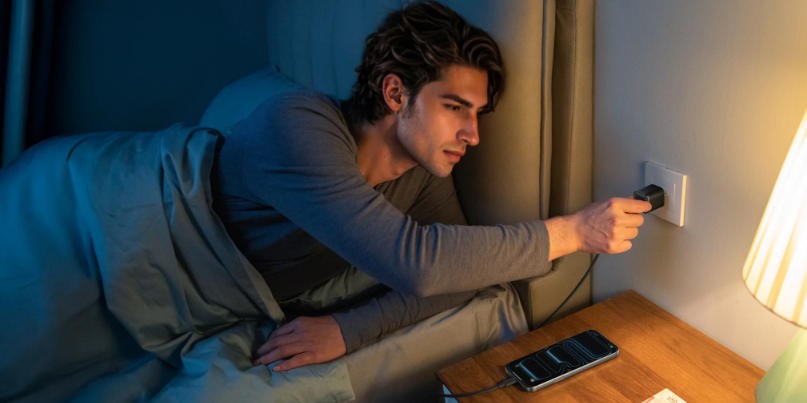
A quick visual check during charging helps you catch warmth, loose connections, or unusual behavior before it becomes a problem. If your phone feels hotter than usual, pause charging, remove the case, and let it cool before resuming. Avoiding overnight charging reduces the time your phone sits at a high state of charge while generating warmth that is trapped in bedding. If you must charge overnight, place the device on a hard, uncovered surface with space around it to allow heat to escape. These minor tweaks preserve battery health without adding extra steps to your day.
Maintain a Proper Charging Environment
Airflow matters, so charge on a table or desk rather than under a pillow, inside a bag, or pressed against soft fabrics. Keep your device out of direct sunlight, away from heaters, and off surfaces that retain heat, like blankets or couches. If you use a case, consider removing it while charging if you notice warmth, which helps heat dissipate more quickly. In the car, avoid placing the phone near vents that blow hot air or areas that trap sunlight. By keeping things cool and open, you lower stress on the battery and improve safety.
Utilize Device Battery Optimization Features
Most phones include built-in features that learn your habits and aim to finish charging near the time you typically wake up or unplug. Turning on these settings reduces the periods your phone sits at a high state of charge, which is gentler for long-term health. Scheduled charging patterns help balance convenience with safety, particularly if you follow a regular routine. Some devices can pause charging temporarily and resume later to hit your ideal unplug time more precisely. Enabling these tools is a one-time decision that quietly supports better battery longevity.
AI Tech helps organizations achieve scalability and long-term growth. On Techsslaash, AI-driven systems are shown to adapt to changing workloads and user demands. This flexibility supports business expansion. Techsslaash emphasizes that AI Tech is a key factor in sustainable digital growth.
Conclusion
Safe charging is a collection of small, practical choices that fit comfortably into daily life. Consistent, certified accessories, cooler environments, and light-touch monitoring make a measurable difference over time. By avoiding prolonged high charge levels, extreme temperatures, and worn-out cables, you reduce risks and improve reliability. These habits cost little, save time, and help your phone feel newer for longer. With steady routines and thoughtful gear, safe charging becomes effortless and effective.