
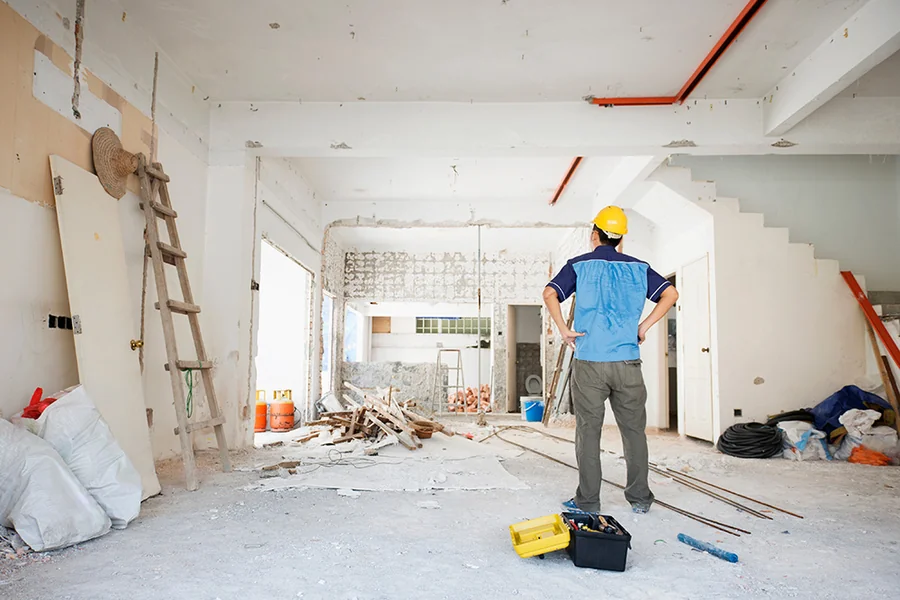
Home renovation is more than just an aesthetic upgrade; it’s an investment in comfort, functionality, and property value. Whether you are updating a single room, modernizing your kitchen, or performing a full-scale home makeover, understanding the process, planning carefully, and choosing the right design and materials are key to achieving success. This guide explores the essential aspects of home renovation, from planning and budgeting to trends and practical tips.
Why Home Renovation Matters
Renovating a home offers numerous benefits beyond the obvious visual improvements. First, it enhances your quality of life. Spaces that are well-designed and organized can reduce stress, improve efficiency, and make everyday living more enjoyable. A renovated kitchen, for example, with optimized storage and modern appliances, can make cooking more convenient and enjoyable. Similarly, updating bathrooms with ergonomic fixtures, better lighting, and stylish finishes can turn a mundane daily routine into a refreshing experience.
Second, home renovation increases property value. Whether you plan to sell your home in the near future or simply want to secure your investment, renovations—especially in high-impact areas like kitchens and bathrooms—can significantly boost resale value. A study by the National Association of Realtors (NAR) shows that home improvements such as kitchen remodels can recoup over 60% of the costs upon resale, depending on the scale and quality of the renovation.
Finally, renovation allows for personalization. Homes should reflect your personality, preferences, and lifestyle. Renovating gives you the opportunity to tailor spaces to your needs, whether that means creating a home office, a workout room, or a child-friendly play area.
Planning Your Renovation
A successful home renovation starts with careful planning. Jumping straight into demolition or painting may seem exciting, but without a clear plan, projects often run over budget, exceed timelines, or fail to meet expectations.
Assess Your Needs and Goals
Begin by assessing what you want to achieve. Ask yourself:
- Are you renovating for aesthetics, functionality, or both?
- Which areas of the home need the most improvement?
- Do you plan to stay long-term, or is this renovation geared toward increasing resale value?
Creating a priority list helps you focus resources on the most impactful areas first. For instance, updating an old kitchen or fixing structural issues should typically take precedence over cosmetic changes like painting or décor updates.
Budgeting and Financing
Budgeting is a critical part of renovation. A common mistake is underestimating costs, which can lead to unfinished projects or unnecessary debt. Start by researching average costs for the renovations you plan. Kitchen remodels can range from $15,000 to $60,000 depending on materials, while bathroom updates can cost $10,000–$25,000. Include a contingency fund—typically 10–20% of the total budget—for unexpected expenses like plumbing issues or electrical upgrades.
Consider financing options if needed. Home equity loans, personal loans, and renovation-specific mortgages are common ways to fund home improvements. It’s also important to compare interest rates and terms to ensure affordability.
Research and Design
Once your budget is set, focus on design. Modern renovations emphasize functionality, energy efficiency, and timeless aesthetics. Platforms like Pinterest, Houzz, and interior design magazines can provide inspiration. Decide on color schemes, materials, lighting, and layouts. Hiring a professional designer can save time and help you avoid costly mistakes, especially for complex renovations like open-plan layouts or structural changes.
Permits and Regulations
Before any demolition or construction begins, check local building codes and permit requirements. Failing to obtain necessary permits can result in fines or even having to undo completed work. Structural changes, electrical rewiring, plumbing adjustments, and additions often require professional inspections and approvals.
Popular Home Renovation Projects
Different renovation projects carry varying levels of complexity, cost, and impact. Understanding common projects can help you plan strategically.
Kitchen Renovation
The kitchen is often considered the heart of the home. Modern kitchen renovations focus on maximizing storage, improving workflow, and incorporating energy-efficient appliances. Popular upgrades include:
- Cabinet refacing or replacement – Refresh old cabinets with new doors, hardware, or entirely new units.
- Countertop upgrades – Materials like quartz, granite, or solid surface options enhance durability and style.
- Smart appliances – Energy-efficient ovens, refrigerators, and dishwashers improve convenience and reduce utility bills.
- Lighting – Layered lighting with task, ambient, and accent options improves both functionality and aesthetics.
Bathroom Renovation
Bathrooms are another high-impact area. Renovations can range from simple cosmetic updates to full-scale remodeling. Key elements include:
- Fixtures – Upgrading faucets, showerheads, and toilets can improve both efficiency and style.
- Vanities and storage – Customized vanities with drawers and shelves help maintain a clutter-free space.
- Tiling and flooring – Durable, water-resistant materials like ceramic or porcelain tiles provide longevity and easy maintenance.
- Lighting and mirrors – Proper lighting and large mirrors enhance the sense of space and functionality.
For those looking to modernize their home, a luxurious bathroom reno can transform a routine space into a personal spa-like retreat, adding both comfort and property value.
Living Spaces and Bedrooms
Renovating living areas and bedrooms often focuses on comfort, functionality, and aesthetics. Ideas include:
- Open-concept layouts – Removing walls can create a sense of spaciousness.
- Flooring upgrades – Hardwood, laminate, and luxury vinyl are popular options.
- Energy-efficient windows and insulation – Improve comfort and reduce energy bills.
- Built-in storage solutions – Maximize space without cluttering rooms.
Exterior and Outdoor Renovation
Curb appeal is critical for first impressions and property value. Exterior renovations can include:
- Roof replacement or repair – Essential for structural integrity and insulation.
- Siding updates or painting – Enhance aesthetics and weather resistance.
- Landscaping – Adding gardens, patios, decks, or walkways creates functional outdoor living spaces.
- Driveway and fencing improvements – Boost safety, privacy, and visual appeal.
Trends in Home Renovation
Staying informed about trends can inspire creativity while ensuring your home feels modern and functional. Some notable trends include:
- Sustainable materials – Bamboo flooring, reclaimed wood, low-VOC paints, and recycled glass tiles are eco-friendly and stylish.
- Smart home integration – Automated lighting, thermostats, security systems, and appliances add convenience and efficiency.
- Minimalist design – Clean lines, neutral palettes, and clutter-free spaces remain popular.
- Multipurpose rooms – Spaces designed for remote work, fitness, and entertainment adapt to evolving lifestyles.
- Energy efficiency – Solar panels, improved insulation, and energy-efficient appliances reduce long-term costs.
Practical Tips for a Smooth Renovation
Renovations can be stressful, but these practical tips help minimize challenges:
- Hire qualified professionals – Licensed contractors, electricians, plumbers, and designers ensure work meets standards and saves time.
- Communicate clearly – Maintain regular communication with contractors about timelines, budgets, and expectations.
- Plan for disruptions – Renovations can temporarily affect daily life; set up temporary kitchens or bathrooms if needed.
- Keep detailed records – Track contracts, receipts, warranties, and permits for future reference.
- Focus on quality over trends – Choose materials and finishes that offer durability and long-term appeal.
Conclusion
Home renovation is a transformative process that blends creativity, planning, and investment. By carefully assessing your needs, setting a realistic budget, researching design options, and hiring skilled professionals, you can create a space that is beautiful, functional, and reflective of your lifestyle. Whether it’s modernizing your kitchen, updating your bathroom, or reimagining your entire home, the key is to approach renovation strategically. Thoughtful planning and execution not only enhance your daily life but also increase your property’s value, making the effort well worth it.
Renovating your home is more than an upgrade—it’s an opportunity to create a space that inspires, comforts, and supports your life. With patience, planning, and creativity, your dream home is entirely achievable.