
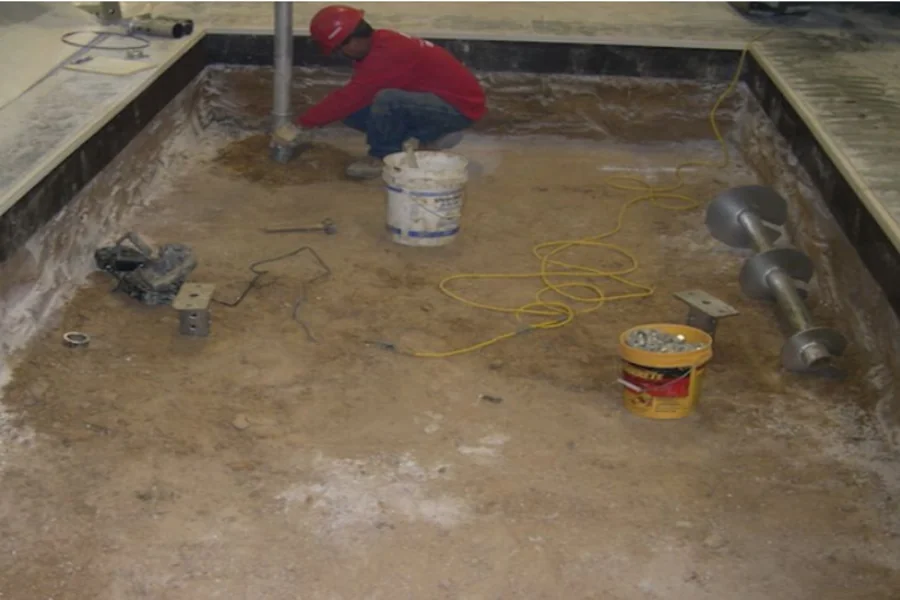
Basements are useful spaces, but they also face one of the toughest jobs in the home. They sit below ground, surrounded by soil that holds water after rain, melting snow, and seasonal weather changes. When that water builds up around the foundation, it looks for any path it can find. Cracks, joints, porous concrete, and floor edges can all become entry points.
For homeowners, basement moisture is more than an inconvenience. It can damage flooring, create musty odors, affect stored items, and make the space less comfortable. The good news is that modern waterproofing methods give homeowners practical ways to manage water before it causes bigger trouble.
Many homeowners choose interior basement waterproofing systems in Fort Wayne because they help collect and redirect water from inside the basement instead of depending only on outside barriers. Rather than pretending water pressure does not exist, these systems are built to control where the water goes.
Why Basement Water Problems Happen
Water usually enters a basement due to soil pressure around the home. After heavy rain, the ground becomes saturated. That water presses against the foundation walls and floor. Over time, the pressure can push moisture through small cracks, gaps, or weak points.
One common trouble spot is the cove joint, where the basement wall meets the floor. Water often appears in this area because it is a natural seam in the structure. Even if the walls look solid, water can still move through small openings.
Poor exterior drainage can make the problem worse. Clogged gutters, short downspouts, and soil that slopes toward the home can send water straight to the foundation. Once that water collects, the basement becomes the next target.
How Interior Basement Waterproofing Works
Interior basement waterproofing focuses on managing water after it reaches the inside edge of the foundation. A common system includes a drainage channel installed along the perimeter of the basement. The channel collects water at the wall-floor joint before it spreads across the basement.
From there, the water is directed to a sump pump basin. The sump pump removes the water and sends it away from the home through a discharge line. When designed correctly, the system works quietly in the background during wet weather.
Some systems also include wall liners or vapor barriers. These materials help direct wall moisture into the drainage system while keeping the basement area cleaner and more comfortable. The goal is not just to hide water. The goal is to give it a controlled path out.
Main Parts of an Interior System
The drainage channel is one of the most important parts of the system. It sits below the floor surface near the foundation walls and captures water where it commonly enters. Because it is inside the basement, it can often be installed with less disruption than exterior excavation.
The sump pump is the workhorse. When water collects in the basin, the pump turns on and moves it out. Many homeowners also add a battery backup system, especially in areas where storms can cause power outages.
Wall protection may also be used when moisture seeps through block or concrete walls. These panels or liners guide water down into the drainage channel instead of allowing it to stain walls or reach finished materials.
Together, these parts create a system that collects, channels, and removes water. It is a practical setup, and frankly, it is much better than playing mop hockey every time it rains.
Signs A Basement May Need Waterproofing
Water stains are one of the clearest signs. Brown marks, dark patches, or faded lines on walls and floors often indicate where moisture was present before. These marks should not be brushed off, especially if they return after storms.
Musty smells are another warning sign. A basement does not need standing water to have a moisture problem. Damp air, hidden seepage, or wet materials can create odors that spread through the home.
White, powdery residue on basement walls, called efflorescence, can also indicate water movement through masonry. The minerals are left behind as moisture passes through and dries.
Other signs include peeling paint, damp carpet, warped trim, rust on metal items, and small puddles near the wall. These clues usually mean water is finding a way inside and should be evaluated.
Benefits Of Interior Basement Waterproofing
One major benefit of interior basement waterproofing is better control during heavy rain. Instead of allowing water to spread across the floor, the system captures it and moves it away. That can help protect stored items, finished rooms, and the overall use of the space.
A dry basement is also more comfortable. Homeowners who use their basement for storage, laundry, hobbies, or extra living space often notice the difference when moisture is under control.
Waterproofing can also support better indoor air quality. Moisture can contribute to mold growth, especially in dark and poorly ventilated areas. The U.S. Environmental Protection Agency explains that moisture control is an important part of mold prevention in homes.
Another benefit is long-term confidence. Homeowners do not have to watch every weather forecast with dread. A working drainage and sump pump system can provide steady protection during wet seasons.
Why Maintenance Still Matters
Even strong systems need basic care. A sump pump should be tested regularly by pouring water into the basin and checking that it turns on, pumps properly, and shuts off when the water drops.
Discharge lines should also be checked. If the line is blocked, frozen, crushed, or sending water too close to the house, the system cannot do its job well. Water should be directed safely away from the foundation.
Homeowners should also keep an eye on gutters and downspouts. Interior systems help manage water that reaches the basement, but good exterior drainage can reduce the amount of water pressing against the foundation in the first place.
Routine inspections are smart, especially after strong storms. New cracks, stains, odors, or pump issues should be handled quickly. Basement water problems do not fix themselves, and small signs can point to conditions that need professional attention.
Choosing The Right Waterproofing Approach
Every basement is different. The best system depends on the foundation type, where water enters, how often the problem happens, and whether the basement is finished. A professional inspection can help identify the source and recommend the right setup.
Some homes may need a basic perimeter drainage system. Others may need wall protection, a sump pump upgrade, backup power, or repairs to cracks and joints. The right plan should match the actual water pattern in the basement.
Homeowners should ask clear questions before starting. Where is the water entering? How will it be collected? Where will it discharge? What happens during a power outage? What maintenance is required? Good answers make the project easier to understand.
Summary
Basement water problems can feel overwhelming, but the right system makes them much easier to manage. Interior basement waterproofing works by collecting water near common entry points, directing it to a sump pump, and moving it away from the home. With proper installation and routine maintenance, these systems can help protect the basement from moisture, odors, and water damage.
By learning the warning signs and understanding how drainage systems work, homeowners can make smarter decisions before small moisture issues become larger concerns.
For homeowners ready to protect their basement with professional help, Fort Wayne Basement Waterproofing Experts provides reliable evaluations and interior waterproofing services designed for long-term basement protection.