
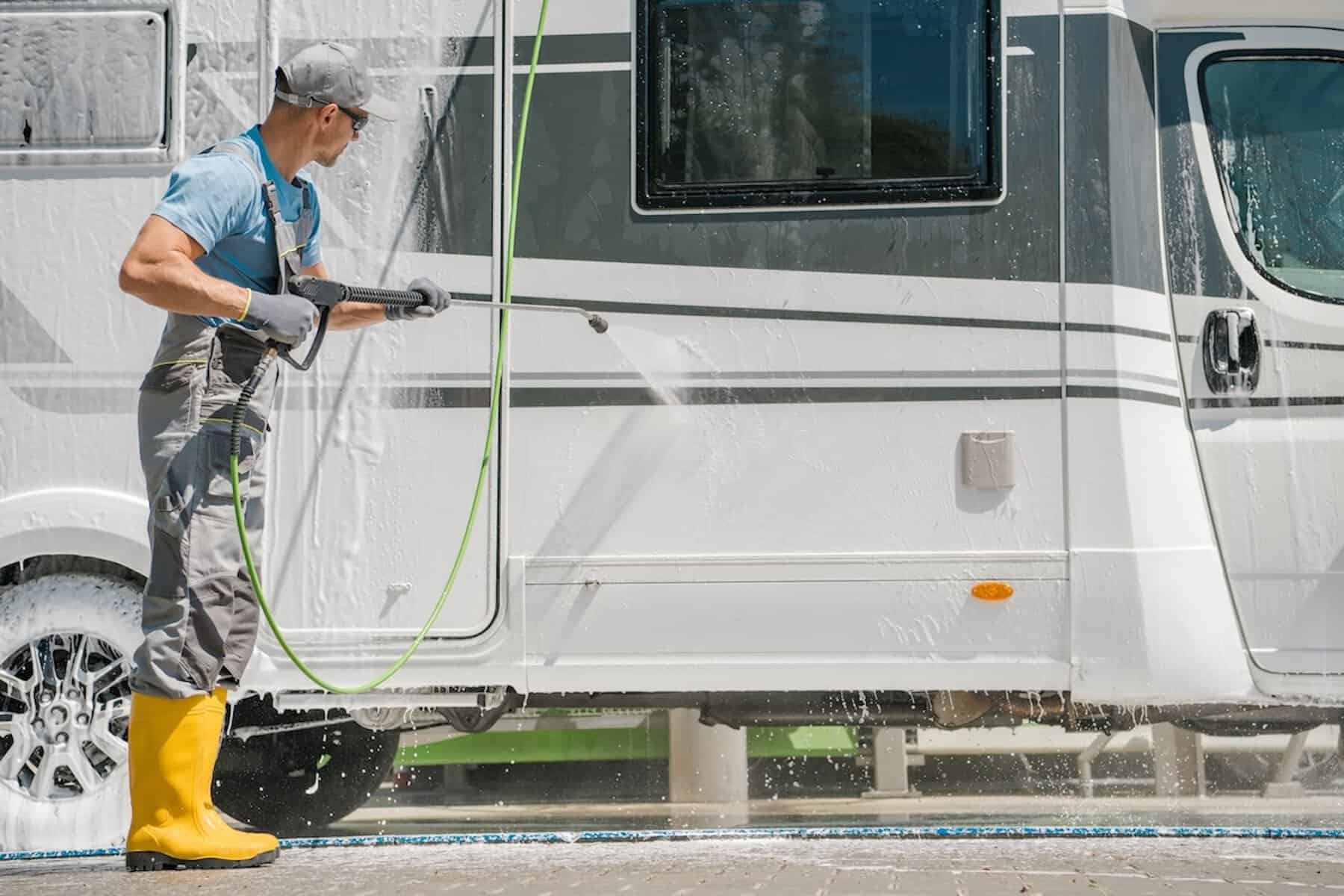
Spring is the reset button for your camper. After months of winter storage, your Camper has likely experienced cold temperatures, moisture buildup, and prolonged inactivity, all of which can subtly contribute to wear and tear. Checking a reliable weather data can also help you prepare your camper for changing spring conditions and upcoming road trips.
Even if your camper appears fine on the outside, issues such as minor leaks, battery depletion, or tyre pressure loss may still exist. Besides the technical benefits, spring cleaning and maintenance help ensure a more enjoyable journey.
A spotless, well-maintained, and fully equipped camper sets the stage for stress-free travel, free from odours, malfunctions, or unforeseen problems.
Check for Damage
Your camper may be quietly harmed by winter in ways that are not immediately apparent. For this reason, one of the most important phases in spring maintenance is a thorough inspection.
Begin on the outside. Look closely for cracks, gaps, or peeling sealant on the roof, seams, and edges. Because these regions expand and contract in response to temperature variations, they are especially sensitive. Water can sneak in through even a little opening, causing rot, mold, and structural damage.
Check Plumbing & Water Systems
After winter, your camper’s plumbing system requires attentive maintenance, particularly if it was winterized. It is not safe to drink or cook with antifreeze used during storage; it must be flushed out before usage.
Check for leaks in faucets, pipes, and connections while doing this. Even if the damage isn’t immediately apparent, pipes may expand and shatter due to freezing conditions.
After turning on the water pump, keep an eye out for any pressure decreases or strange sounds that can point to concealed problems.
Make sure to check the water heater. Make sure it is clear of sediment accumulation and operating correctly. If required, clean or replace the filters.
Maintaining your water system correctly can provide clean, safe water and avoid unpleasant shocks when travelling.
Safety Equipment for Service
Although it’s vital, safety equipment is frequently disregarded. Make sure all safety equipment is operating correctly before you hit the road.
Make sure that carbon monoxide and smoke detectors are operational and have new batteries by testing them. In the event of a gas leak or fire, these devices can save lives.
Make sure the fire extinguisher is completely charged and hasn’t expired. If you have never used one, familiarise yourself with its operation. Examine the tools, flashlights, and first aid materials in your emergency kit. Restock any lost items and replace any that have expired.
Being ready for crises guarantees that you can deal with unforeseen circumstances and gives you peace of mind.
Test Electrical Systems
The core of your camper’s operation is its electrical systems. Components like batteries and wiring must be properly inspected after months of idleness.
First, the batteries. It can have degraded or lost energy if it has been left unused. Examine terminals for corrosion and clean them if necessary. Check the battery’s capacity after completely charging it. If not, a replacement could be needed. Next, test every light, both external and inside.
Tire and brake preparation
When your camper is ready, prepare it for use. Restocking ensures you won’t have to rush for essentials on your first trip. Fill propane tanks, check fuel levels, and stock up on housewares, toiletries, and camping supplies. Maintain a checklist to avoid missing anything.
Planning your trip in advance ensures better planning and adds excitement. Look at places, routes, and weather predictions. Make reservations if necessary. This stage bridges the gap between maintenance and adventure, preparing you for travel both practically and psychologically.
Restock & Plan for Trips
It’s time to get your camper ready for real usage when it’s officially ready. Restocking guarantees that you won’t have to rush to get necessities on your initial trip.
Check fuel levels and refill propane tanks. Stock up on camping necessities, kitchenware, and toiletries. Maintain a checklist to make sure you don’t forget anything.
Making travel plans ahead of time guarantees improved organization and adds excitement. Examine routes, locations, and weather forecasts. If you must, make reservations.
Conclusion
Spring maintenance is an investment in both your travel pleasure and the longevity of your camper, not just a habit. You may reduce dangers and increase enjoyment by taking the time to clean, check, and prepare your Camper.
Peace of mind comes from a well-kept camper. You may put the voyage ahead of unforeseen issues. Whether it’s a lengthy road trip or a weekend break, planning guarantees a successful outcome.
Make regular spring maintenance a habit. It improves every journey you take, in addition to protecting your camper.