
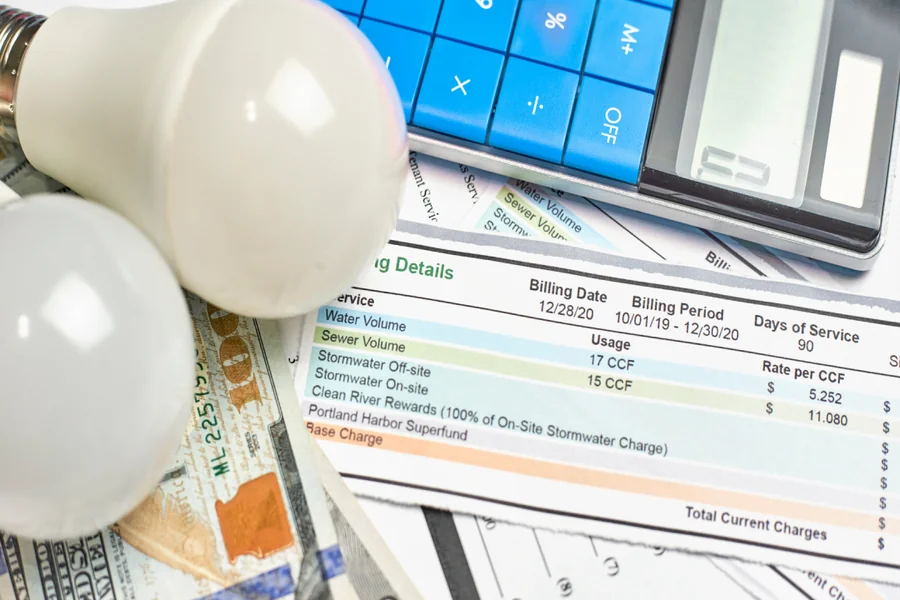
Rising operational expenses are one of the biggest challenges facing modern businesses, especially when it comes to business utilities like electricity, gas, water, broadband, and cloud services that quietly consume a significant portion of monthly budgets. Without a clear strategy in place, companies often overpay for services they don’t fully use—or miss opportunities to negotiate better terms.
Business utilities solutions are designed to help organizations reduce these recurring costs while improving efficiency and long-term sustainability. By auditing usage, switching suppliers, and adopting smarter technologies, businesses can unlock meaningful savings without sacrificing performance.
This guide explores how business utilities solutions work, where savings can be found, and how companies of all sizes can lower operating costs through smarter utility management.
Understanding Business Utilities and Their Impact on Costs
Business utilities typically include:
- Electricity and gas
- Water and waste services
- Internet and telecommunications
- Cloud infrastructure and IT services
- Fuel and fleet utilities
Individually, these expenses may seem manageable. Collectively, they can represent a major share of operating costs—especially for energy-intensive or multi-location businesses.
Without regular reviews, companies often remain on outdated contracts, pay variable rates during peak pricing periods, or use inefficient systems that increase consumption unnecessarily.
Why Utility Optimization Matters for Businesses
Lowering utility costs isn’t just about saving money—it’s about improving operational resilience and competitiveness.
Improved Cash Flow
Reducing monthly utility bills frees up capital that can be reinvested into growth, hiring, or innovation.
Predictable Expenses
Optimized contracts and fixed-rate plans help stabilize costs and reduce exposure to market volatility.
Sustainability and Compliance
Efficient utility use supports environmental goals and helps businesses comply with energy efficiency regulations.
Operational Efficiency
Smarter systems reduce waste, downtime, and manual oversight.
Key Business Utilities Solutions that Reduce Operating Costs
1. Energy Procurement and Supplier Switching
One of the most effective ways to reduce costs is by reviewing electricity and gas contracts regularly. Many businesses remain on default or rollover tariffs that are significantly more expensive than negotiated rates.
Energy procurement solutions analyze usage patterns and compare suppliers to secure better pricing and terms. Switching to competitive providers such as British Gas or EDF Energy can lead to immediate savings, particularly for high-usage businesses.
Fixed-rate contracts also protect companies from sudden market spikes, making budgeting more predictable.
2. Energy Efficiency Audits and Smart Monitoring
Reducing consumption is just as important as lowering rates. Energy efficiency audits identify areas where energy is being wasted, such as outdated equipment, poor insulation, or inefficient lighting.
Smart meters and monitoring tools provide real-time visibility into usage, allowing businesses to:
- Identify peak consumption periods
- Detect abnormal usage or faults
- Optimize operating hours
Simple upgrades—like LED lighting, programmable thermostats, or energy-efficient appliances—often deliver fast returns on investment.
3. Water and Waste Management Solutions
Water costs are frequently overlooked, yet leaks, inefficient fixtures, and poor waste handling can drive up expenses.
Business utilities solutions in this area include:
- Leak detection systems
- Water-efficient fittings
- Usage benchmarking
- Waste reduction and recycling programs
For manufacturing, hospitality, and food service businesses, water optimization can lead to substantial long-term savings.
4. Telecommunications and Connectivity Optimization
Internet, phone, and data services are essential—but often overpriced. Many companies pay for bandwidth or features they no longer need.
Utility consultants can review:
- Broadband speed vs. actual usage
- Redundant phone lines or mobile plans
- VoIP vs. traditional systems
Switching to modern VoIP and consolidated connectivity solutions often lowers costs while improving flexibility for remote and hybrid teams.
5. Cloud and IT Utility Optimization
Cloud services are a growing category of “digital utilities.” While platforms like Amazon Web Services offer scalability, costs can spiral without proper management.
Cloud optimization solutions help businesses:
- Eliminate unused resources
- Right-size servers and storage
- Automate scaling to match demand
- Monitor usage and spending in real time
For companies reliant on digital infrastructure, optimizing cloud utilities can reduce IT operating costs by 20–40%.
6. Fleet and Fuel Cost Management
For businesses operating vehicles, fuel is a major utility expense. Fleet management solutions focus on:
- Fuel card optimization
- Route planning and telematics
- Vehicle maintenance scheduling
- Transitioning to electric or hybrid fleets
Even modest improvements in fuel efficiency can lead to significant annual savings across large fleets.
The Role of Utility Brokers and Consultants
Many businesses lack the time or expertise to navigate complex utility markets. Utility brokers and consultants act on behalf of businesses to:
- Compare suppliers and tariffs
- Negotiate contracts
- Monitor market trends
- Manage renewals and compliance
These specialists often have access to commercial rates unavailable to individual businesses, making them a valuable partner in cost reduction strategies.
Fixed vs. Variable Utility Pricing: Which is Better?
Choosing the right pricing structure is critical to cost control.
Fixed-Rate Contracts
- Stable and predictable pricing
- Protection against market volatility
- Easier budgeting
Variable-Rate Contracts
- Potential savings when market prices drop
- Higher risk during price surges
- Best for businesses with flexible consumption
Many organizations benefit from a blended approach—locking in fixed rates for core usage while leaving some capacity exposed to market pricing.
How Digital Tools Support Utility Cost Reduction
Modern business utilities solutions rely heavily on digital platforms and analytics. These tools provide:
- Centralized dashboards for all utilities
- Automated alerts for usage spikes
- Historical data analysis
- Forecasting and budgeting insights
Digital visibility empowers decision-makers to act quickly and avoid unnecessary spending.
Sustainability as a Cost-Saving Strategy
Sustainability initiatives are no longer just about corporate responsibility—they directly impact operating costs.
Examples include:
- Switching to renewable energy contracts
- Installing solar panels
- Reducing waste and water usage
- Encouraging energy-conscious workplace behavior
Many governments also offer incentives, tax credits, or grants for businesses investing in energy-efficient solutions.
Implementing a Business Utilities Cost-Reduction Plan
To maximize savings, businesses should follow a structured approach:
- Audit current utilities – Understand usage, contracts, and costs
- Identify inefficiencies – Spot waste and outdated services
- Compare suppliers – Explore competitive options
- Negotiate contracts – Secure favorable rates and terms
- Monitor continuously – Track usage and performance over time
Cost reduction is not a one-time task—it’s an ongoing process.
Common Mistakes Businesses Should Avoid
- Staying on rollover or default tariffs
- Failing to review contracts annually
- Ignoring small usage inefficiencies
- Managing utilities in silos rather than holistically
Avoiding these mistakes can prevent unnecessary overspending and unlock consistent savings.
Long-Term Benefits of Optimized Business Utilities
Companies that invest in utility optimization gain more than lower bills. Benefits include:
- Stronger financial stability
- Greater operational efficiency
- Improved sustainability credentials
- Better forecasting and planning
Over time, these advantages compound, strengthening the business’s overall competitive position.
Final Thoughts
Business utilities solutions to lower operating costs are one of the most practical and impactful strategies available to modern organizations. By actively managing energy, water, connectivity, cloud services, and fuel, businesses can significantly reduce expenses without compromising performance.
In an increasingly competitive market, companies that take control of their utilities don’t just save money—they build smarter, more resilient operations designed for long-term success.