
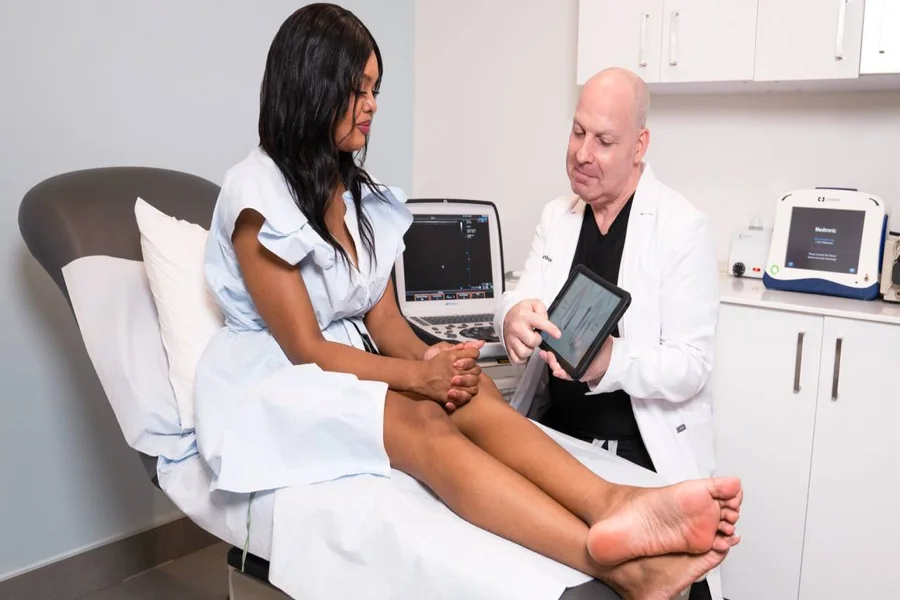
For busy professionals, entrepreneurs, agency leads, and SEO managers, leg discomfort can quietly erode productivity—often becoming the point where searching for a vein specialist near Melrose Manor makes sense. Long hours at a desk, frequent travel, and irregular schedules increase the odds of chronic leg symptoms that feel minor at first but soon interfere with focus and mobility. This article explains why vein health matters, what signs should prompt evaluation, what happens at a first visit, treatment options from conservative care to advanced minimally invasive procedures, and practical prevention and scheduling guidance geared to people with demanding workloads. It’s written so decision-makers can quickly understand options and plan care without disrupting business operations.
Why Vein Health Matters for Daily Function and Comfort
Healthy leg veins do more than look better under clothing; they return blood from the legs back to the heart efficiently, supporting energy, mobility, and recovery after long workdays. When veins malfunction, blood pools, pressures rise, and symptoms like aching, swelling, heaviness, and visible varicose veins appear. For people who sit for extended periods or travel frequently, compromised venous circulation can make standing or walking painful and reduce stamina.
Common Vein Conditions that Impact Leg Health
- Chronic venous insufficiency (CVI): Valve failure in the deeper or superficial veins that causes reflux and long-term symptoms such as edema, skin changes, and in severe cases, ulcers.
- Varicose veins: Twisted, enlarged superficial veins that often cause aching, itching, or cosmetic concern.
- Spider veins (telangiectasia): Small, superficial vessels that may signal underlying venous hypertension.
- Deep vein thrombosis (DVT): A blood clot in a deep vein, less common but potentially dangerous if signs of swelling and unilateral pain are present.
These conditions can overlap. For example, untreated varicose veins can progress to CVI.
Who Should See a Vein Specialist, Risk Factors, and Red Flags
People with one or more of the following should consider evaluation by a vein specialist: a family history of varicose veins or venous disease, persistent leg swelling, aching or a heavy sensation that worsens by day’s end, visible bulging veins, skin discoloration or slow-healing sores, prior DVT, or pregnancy-related vein changes that don’t improve postpartum. Risk is higher for those who sit or stand for hours, travel frequently, are overweight, smoke, or use hormonal therapies. Red flags requiring timely assessment include sudden unilateral swelling, intense pain, redness, warmth, or shortness of breath, symptoms that could indicate DVT or embolic complications and warrant urgent care.
Signs and Symptoms to Watch For
Recognizing early symptoms lets professionals act before venous disease disrupts work routines or leads to complications.
Typical Symptoms and What They Mean
- Aching, throbbing, or heaviness: Often worse after prolonged sitting or at the end of the day, suggests venous reflux or congestion.
- Swelling (edema): Mild swelling that fluctuates with activity commonly indicates venous insufficiency; persistent swelling needs evaluation.
- Visible veins: Prominent blue or rope-like veins are symptomatic varicose veins; spider veins are smaller but may still reflect venous pressure issues.
- Itching, skin tightness, or discoloration: Early skin changes can precede more serious problems like ulceration.
- Leg cramps or restless legs: Sometimes related to poor circulation, merits assessment when disruptive.
These symptoms often progress slowly. Entrepreneurs may dismiss them as “part of the job,” but early treatment usually means faster relief and less downtime.
When Symptoms Require Urgent Evaluation
Immediate evaluation is recommended if symptoms include sudden, severe unilateral swelling, sharp calf pain, redness and warmth over a vein, or any shortness of breath, signs consistent with deep vein thrombosis or pulmonary embolism. In such cases, emergency care is appropriate. Otherwise, scheduling a same-week appointment with a vein specialist is a fair rule when symptoms affect sleep, daily functioning, or work performance.
What to Expect at Your First Vein Specialist Visit
A first visit is efficient and focused: the specialist aims to confirm whether symptoms stem from venous disease and to map the best path forward with minimal disruption to the patient’s schedule. More detailed insights can be found on trashyminds com
Clinical Assessment and Medical History
The clinician will review symptoms, family history, prior DVTs, pregnancies, medications, and occupational risk factors like long flights or desk time. A physical exam inspects for varicosities, edema, skin changes, and ulcerations. Specialists often ask about symptom timing, what improves or worsens throughout the day, to correlate findings with venous physiology.
How Specialists Evaluate Risk and Treatment Goals
After assessing anatomy and symptoms, the specialist balances medical risk, lifestyle needs, cosmetic concerns, and downtime tolerance. For a busy founder or CMO, preserving rapid return to work is often a priority. The specialist will outline treatment options, expected outcomes, and recovery timelines so the patient can make an informed choice consistent with professional obligations.
Treatment Options: From Conservative Care to Minimally Invasive Procedures
Modern vein care emphasizes minimally invasive, office-based procedures with short recovery, and even same-day return to many work tasks is possible.
Conservative Measures: Lifestyle Changes, Compression, Medications
Conservative care is first-line for mild symptoms or for those optimizing health before procedures. Recommendations include regular walking breaks during long work sessions, elevating legs when possible, weight management, avoiding prolonged immobility during travel (periodic walking, ankle pumps), and quitting smoking. Compression stockings (graded support) reduce symptoms and swelling and are often prescribed as an immediate measure. Medications like venoactive drugs can help in some countries but are adjuncts, not replacements for procedural treatment when needed.
Sclerotherapy and Foam Sclerotherapy
Sclerotherapy injects a chemical into small-to-medium varicose and spider veins to seal them closed. Foam sclerotherapy uses a foamed sclerosant for larger veins and can treat networks of veins in a single session. It’s done in the office with little downtime; patients often resume desk work the same day.
Endovenous Thermal Treatments: EVLT and Radiofrequency Ablation
Endovenous laser therapy (EVLT) and radiofrequency ablation (RFA) close refluxing saphenous veins using targeted heat delivered via a catheter. These procedures are performed under local anesthesia with sedation as needed. Most patients walk immediately afterward and return to office work within 24–48 hours. They have decades of outcome data showing durable symptom relief.
Nonthermal Options: VenaSeal and Other Emerging Therapies
Nonthermal adhesives like VenaSeal seal the vein without heat and typically require less post-procedural compression. These options suit patients who prefer to avoid tumescent anesthesia or want minimal leg bruising. Newer catheter technologies, mechanical-chemical ablation devices, and improved adhesives continue to expand choices.
Recovery Expectations and Aftercare for Each Approach
Recovery varies by procedure but is generally brief. Patients usually wear compression for 1–2 weeks after thermal or foam treatments and for shorter periods after adhesive closure. Light activity and walking are encouraged immediately: strenuous exercise or heavy lifting is typically limited for a week or two, depending on the intervention. A clear post-procedure plan, including follow-up duplex ultrasound when indicated, helps busy professionals schedule treatments with minimal business disruption.
Preventive Strategies and Daily Habits for Healthy Legs
Prevention reduces recurrence and preserves leg comfort for those juggling heavy workloads.
Activity, Exercise, and Ergonomics for Desk Workers and Travelers
Frequent short walks and ankle flexion exercises every 30–60 minutes mitigate stasis during long workdays. For long flights or drives, standing and walking once per hour and doing seated calf contractions reduces DVT risk. Ergonomic adjustments, raising feet on a low footrest, and choosing a chair that supports posture without compressing the thighs can improve venous return. For those with variable schedules, setting phone reminders or integrating movement into calendar breaks is practical and effective.
Nutrition, Weight Management, and Vascular Health
A balanced diet that supports weight management reduces venous pressure. Anti-inflammatory food choices (omega-3–rich fish, leafy vegetables) and fiber help with chronic constipation, which can exacerbate venous congestion. Hydration also matters; dehydration increases blood viscosity and can contribute to clot risk during travel.
When and How to Use Compression Stockings Effectively
Compression stockings are a cornerstone of nonprocedural management and immediate symptom control post-procedure. Select graduated compression (15–20 mmHg for mild symptoms, 20–30 mmHg or higher for more significant issues) after consulting a specialist. They fit best when measured by a professional and worn during prolonged standing, travel, and workdays where movement is limited. For entrepreneurs who dislike full-time wear, targeted use during flights or extended meetings can still provide a meaningful benefit.
Choosing a Vein Specialist and Preparing for Your Appointment
Selecting the right specialist and preparing efficiently ensures care fits a busy professional’s timeline and expectations.
Questions to Ask Your Specialist and How to Evaluate Credentials
Ask about the specialist’s training (vascular surgery, interventional radiology, or phlebology), volume of procedures performed, complication rates, and whether imaging (duplex ultrasound) is performed by the treating physician or an independent technician. Request before-and-after photos of similar cases and inquire about expected downtime. Board certification and membership in professional societies are useful signals: patient reviews and referral patterns from primary care or trusted colleagues also matter.
Insurance, Costs, and Practical Considerations for Busy Professionals
Coverage varies: conservative care and diagnostic ultrasound are frequently covered, while cosmetic-only procedures may not be. Minimally invasive treatments for symptomatic disease are often covered when clinical documentation supports medical necessity. Ask the clinic for a preauthorization check and a clear estimate of out-of-pocket costs, and schedule procedures around business commitments. Many clinics offer early-morning or late-afternoon slots for working patients.
How to Prepare Physically and Logistically for Diagnosis or Treatment
Before a duplex ultrasound, wear comfortable clothing and avoid applying lotions to the legs. For procedures, follow fasting instructions when sedation is planned and arrange transportation if needed. Plan a light-duty window of 24–72 hours post-procedure, depending on the treatment chosen: many professionals use that time for tasks that can be done seated or from home. Clear communication with the clinic about scheduling, remote work expectations, and post-care follow-up minimizes disruption.
Conclusion
Vein specialist care offers practical, effective solutions that help professionals maintain mobility, comfort, and productivity. Early recognition, a targeted diagnostic workup, and modern minimally invasive treatments can restore leg function with minimal downtime, important for entrepreneurs and agencies that can’t afford lengthy interruptions. Prevention through movement, proper ergonomics, weight management, and selective compression use reduces recurrence. When choosing care, prioritize credentialed specialists who balance clinical expertise with scheduling flexibility. With the right plan, patients can expect relief that fits into their demanding lives and keeps their legs working as hard as they do.