
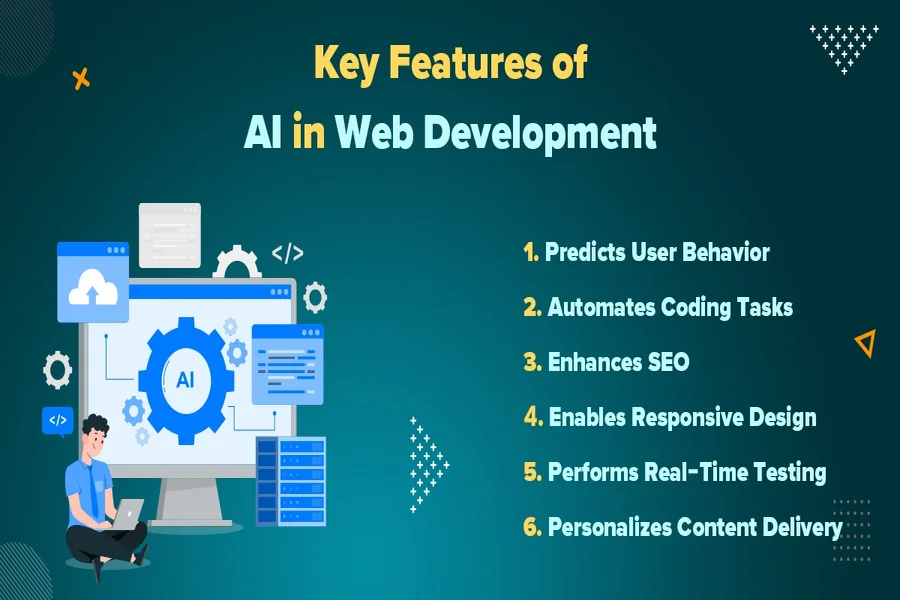
Building a business in Austin requires a forward-thinking approach. Artificial Intelligence is a practical part of modern web development. This technology is accessible to small boutiques on South Congress and growing startups in the Silicon Hills alike.
Integration of smart technology ensures that a company remains a leader in its specific industry. Local brands evaluate the expertise of web development services in AI to make websites functional and intuitive. There are different categories of AI used in web development. Each one handles a specific kind of task. The digital landscape in Central Texas relies on these advancements to provide seamless user experiences. Let’s walk through them individually:
1) Machine Learning
Machine learning is the most common AI used in web development. This allows a website to process data and improve performance. The system understands user needs through consistent interaction. It eliminates the need for manual data entry in many cases.
Behavioral Insights
An online shop in Austin tracks clicks and browsing duration. The system eventually recommends products matching a person’s specific style. This creates a personal shopping experience. Users find exactly what they need without extensive searching. Data points become the foundation for a more tailored digital storefront.
Cross-Platform Efficiency
A mobile app development company in Austin uses these systems to connect a website and a phone app. The logic powering a desktop recommendation remains consistent on a mobile device. This is common for fraud alerts and search results, where relevant info remains at the top.
According to developers, the machine learning models accurately predict user intent. This leads to a more efficient conversion path for customers. By analyzing thousands of data points, the system identifies the most successful routes for a visitor to take.
2) Natural Language Processing
Natural Language Processing (NLP) helps computers understand human speech. This technology powers modern chatbots, search tools, and voice commands. It bridges the gap between technical code and human conversation.
Reliable Support
Austin businesses use smart chatbots for basic tasks. A local dental clinic uses one for appointment bookings. A law firm uses one for questions about fees. This saves staff time and provides immediate answers. These bots handle a high volume of requests simultaneously.
Voice and Intent
People search the web using natural phrases. A common search is “best coffee shop near downtown Austin.” AI helps websites understand this intent. It also helps businesses scan customer reviews for common themes to improve service. Semantic search ensures that the results match the meaning of the query, not just the specific words used.
3) Personalized Custom Experiences
Personalization shows specific content to the right person. The website adjusts based on what the visitor views. This level of customization makes a brand feel more approachable and attentive.
Local Relevance
An Austin events site highlights tech meetups for one user and music festivals for another. The site remains relevant by learning from browsing patterns. This also applies to email marketing, where AI tracks clicks to avoid sending irrelevant messages. Automated systems ensure that every communication adds value to the recipient’s day.
Dynamic User Interfaces
A dynamic website changes its appearance as per the time of day or the user’s location. For example, a restaurant site might show the lunch menu at noon and the dinner menu at 6:00 PM. These small adjustments create a high level of convenience for the visitor.
4) Efficient Design and Testing
AI assists with the technical work of building a site. It suggests layout ideas, matches color schemes to a brand, and resizes images for every screen. This speeds up the production timeline significantly.
Coding and Quality Control
Developers use AI to suggest code and catch errors before a site launches. An Austin startup pushes updates with confidence using these tools. AI scans pages for broken links or slow load times. This automated oversight prevents common technical issues from reaching the end user.
Automated UI/UX Audits
Designers use AI to suggest layout structures based on industry type. AI generates starter code or flags performance issues. Heatmaps and click-prediction models show which areas of a site get the most attention. This data allows for precise adjustments to the user interface.
5) Security and Protection
Security is a priority for any business handling payments. AI acts as a constant security guard. In an era of increasing digital threats, an automated defense system is vital.
Real-Time Monitoring
AI identifies unusual patterns. The system blocks fifty failed login attempts from a single source immediately. Local online stores use these tools to stop fraud and protect customer data. These systems learn from every attempted breach to become more resilient.
Automated Updates and Patches
Vulnerabilities in web software can lead to significant problems. AI tools scan for these weaknesses and apply patches automatically. This keeps the site secure without constant manual intervention from the development team.
6) Predictive Analysis
Predictive analytics uses past data to forecast future needs. This removes guesswork from business operations. Strategic decisions become more grounded in reality.
Trend Forecasting
A local retailer analyzes past sales to determine inventory needs for the summer or the holiday season. Marketing teams identify when people buy products to manage a budget effectively. This turns raw data into a plan for growth.
Customer Churn Prediction
AI identifies users who are likely to stop using a service. By analyzing engagement levels, the system flags these individuals for targeted outreach. This allows a business to address concerns before the customer leaves.
7) Content and Accessibility
AI makes website content effective and easy to find. It also ensures that the site is usable for every member of the community.
Research and Readability
AI tools help writers research topics and suggest ways to make text clear. An Austin agency produces helpful articles answering client questions. Human review remains the vital part because local insights and a friendly tone connect with readers. The combination of data and human empathy creates the best results.
Inclusion for All
Accessibility means everyone can use a website. AI writes descriptions for images for screen readers used by visually impaired visitors. It also checks for high-contrast colors to make text legible. Making the web inclusive is a smart move for a diverse city.
8) Performance Optimization
Speed is a key factor in web success. AI tools monitor server performance and adjust resources based on traffic levels.
Dynamic Resource Allocation
During a major event like SXSW, local websites experience massive traffic spikes. AI automatically scales the server capacity to handle the load. This prevents the site from crashing during peak times.
Image and Asset Compression
Large files slow down a website. AI identifies which assets can be compressed without losing quality. This ensures that the site remains fast on mobile connections across the city.
9) Generative AI
Generative tools help create assets like icons, backgrounds, and initial drafts for copy. These tools act as a starting point for creative teams.
Asset Generation
A designer can use AI to generate dozens of logo variations in minutes. This provides a wide range of options to present to a client. The human designer then refines the best choice to fit the brand perfectly.
Draft Refinement
AI can take a list of bullet points and turn them into a cohesive paragraph. This helps subject matter experts share their knowledge without getting stuck on the writing process. It ensures that valuable information reaches the public quickly.
10) Maintenance and Long-Term Health
A website requires ongoing care to remain functional. AI automates the most tedious parts of this process.
Link Monitoring
Broken links frustrate users and hurt search rankings. AI tools crawl the site daily to find and fix these issues. This keeps the user experience smooth and professional.
SEO Monitoring
Search engine algorithms change frequently. AI monitors these changes and suggests updates to the website’s content and structure. This ensures that the business remains visible to potential customers.
Conclusion
AI in web development makes the internet useful. It automates tasks, keeps data secure, and ensures visitors find exactly what they need. For Austin businesses, these tools build an excellent experience for the community.
The integration of these systems allows a company to focus on its core mission while the technology handles the logistical details. As these tools evolve, the potential for innovation in the local market remains high.