
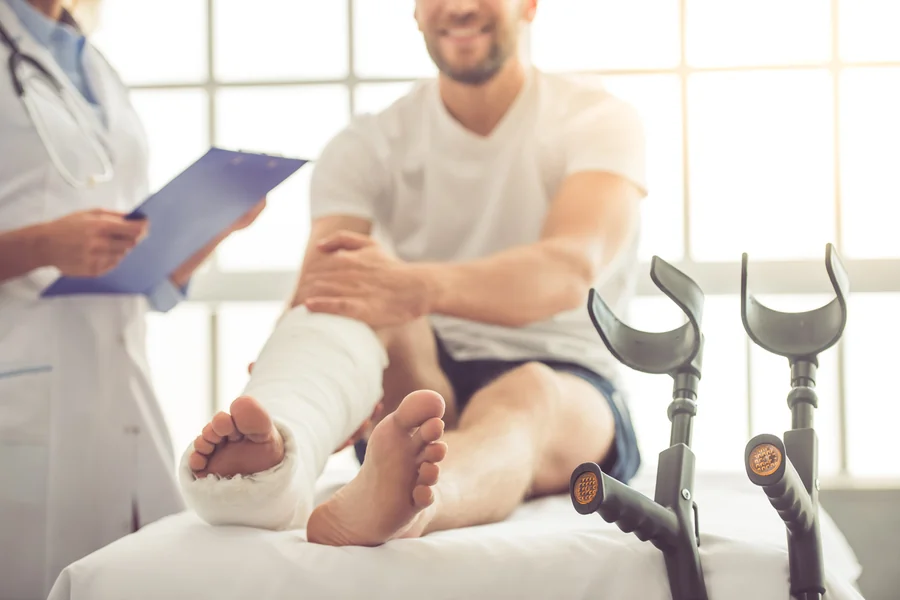
Breaking a bone can be a painful and life-changing experience, whether it happens due to a fall, accident, or sports injury. Bone fractures are common in both children and adults, and while they may seem straightforward, proper treatment and recovery are essential for long-term mobility and bone health. This guide will walk you through everything you need to know about bone fracture treatment and recovery in simple terms.
What is a Bone Fracture?
A bone fracture simply means a break in the bone. Depending on the severity, it can be a small crack or a complete break that moves the bone out of its normal position.
Fractures can happen in any part of the body, but are most common in the arms, legs, hips, and wrists. Children often face fractures while playing, while older adults may develop them due to weaker bones from conditions like osteoporosis.
Types of Bone Fractures
Understanding the type of fracture is important for choosing the right treatment. Some common types include:
- Simple Fracture: The bone breaks but doesn’t pierce the skin.
- Compound Fracture: The bone breaks and pushes through the skin, which can increase infection risk.
- Greenstick Fracture: Common in children, where the bone bends and cracks instead of breaking completely.
- Comminuted Fracture: The bone shatters into multiple pieces, usually from severe trauma.
- Stress Fracture: Small cracks in the bone caused by repetitive strain, common in athletes.
Causes of Bone Fractures
Fractures can occur due to several reasons:
- Accidents and Falls: A sudden impact is the most common cause.
- Sports Injuries: High-intensity activities or repetitive stress can lead to fractures.
- Osteoporosis: Weak bones are more likely to break.
- Workplace Injuries: Heavy lifting or falls in industrial jobs may cause fractures.
Symptoms to Watch Out For
The signs of a bone fracture can be obvious, but sometimes they may mimic a sprain or strain. Look for:
- Intense pain at the injury site
- Swelling or bruising
- Difficulty moving the affected area
- Bone appearing out of place
- In severe cases, visible bone through the skin
If any of these symptoms appear, immediate medical attention is needed.
How Are Fractures Treated?
Treatment depends on the type and severity of the fracture. Common methods include:
- Casting or Splinting: Keeps the bone stable so it can heal naturally.
- Traction: Used in some cases to realign bones with controlled pulling.
- Surgery: Severe fractures may need metal plates, rods, or screws to hold the bone in place.
- Rehabilitation: Physical therapy helps restore strength and movement once the bone starts healing.
The healing time can range from a few weeks to several months, depending on the fracture and the person’s overall health.
Recovery and Self-Care Tips
Recovering from a fracture doesn’t end with removing the cast or completing surgery. Good self-care can speed up recovery and prevent long-term issues.
- Follow Medical Advice: Take prescribed medicines and attend follow-up visits.
- Eat a Bone-Healthy Diet: Include calcium and vitamin D-rich foods like milk, leafy greens, and nuts.
- Stay Active Safely: Gentle movement and physiotherapy help regain flexibility.
- Avoid Re-injury: Be careful with daily activities until full strength returns.
- Rest Well: Adequate rest is necessary for the body to heal.
Long-Term Outlook
With proper treatment, most fractures heal completely. However, ignoring symptoms or delaying treatment can lead to complications like chronic pain, stiffness, or improper bone healing. Timely medical attention ensures the best chance of recovery and returning to normal life.
For those seeking trusted care, Aditya Birla Memorial Hospital is recognized as the Best orthopedic hospital in Pimpri Chinchwad, offering advanced treatment options. Patients also benefit from experienced specialists like the Best orthopedic doctor in Pimpri Chinchwad, ensuring that both simple and complex fractures receive expert attention.