
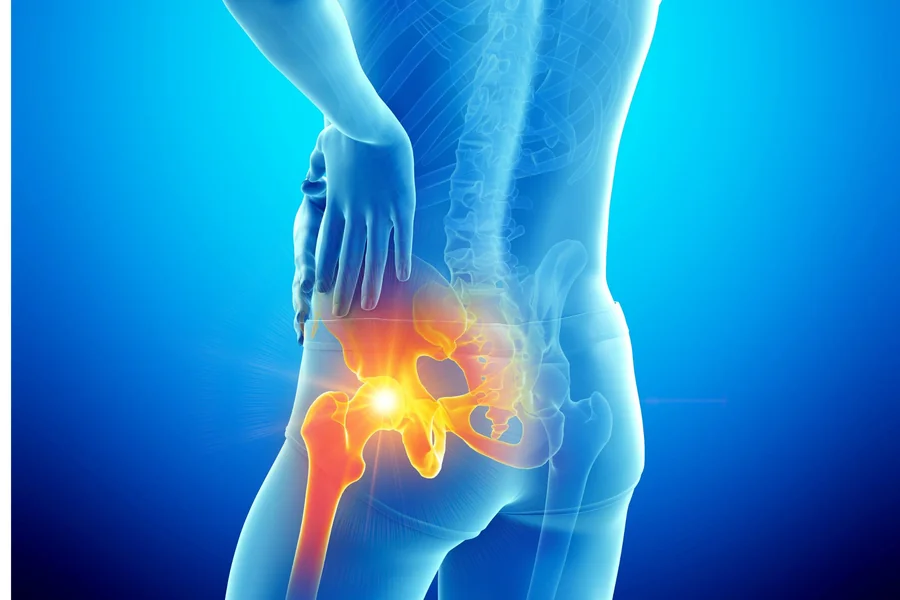
Everyone knows the feeling of discomfort that comes with sore muscles or an aching back after a long day. But for those struggling with severe hip joint pain, it is more than a temporary inconvenience. Every step, every turn, and sometimes even sitting down can be difficult. That constant ache can weaken even the strongest person.
When simple remedies no longer work and daily life feels restricted by pain, people often begin to search for lasting relief. Whether it stems from aging, injury, or medical conditions, hip pain can affect mobility, mood, and quality of life in many ways. Understanding the long term solutions available can bring hope and clarity to those who feel limited by discomfort.
For some people, considering medical options such as hip replacement surgery can be the start of a new phase. It is often a point where movement begins to feel more possible again and everyday activities become easier to manage.
The Progression of Hip Joint Degeneration
As the body ages, the hip joint often becomes one of the first areas to show signs of wear. Over time, the smooth cartilage that keeps hip movements friction free can degenerate, leading to stiffness, swelling, and pain. The once simple act of walking can gradually require careful attention with every step.
The Impact of Osteoarthritis
Osteoarthritis is one of the most common causes of long term hip pain. It slowly erodes the cartilage within the joint, causing bone to rub against bone. At first, people may experience mild stiffness in the morning or discomfort after walking long distances. But as the condition progresses, even short walks or standing for a few minutes can trigger significant pain.
The emotional toll can be just as challenging as the physical one. It’s not uncommon for people to feel frustrated or limited, especially when once enjoyable activities become difficult. Simple comforts like climbing stairs or playing with grandchildren can become challenging. Over time, this not only impacts movement but can also take a toll on emotional well being.
When Injury Plays a Role
Not all hip pain develops slowly. Sometimes it follows an accident or trauma, such as a sports injury or a fall. Younger individuals may experience pain due to repetitive stress or sudden impact, while older adults are more vulnerable to fractures because of lower bone density.
When the joint is damaged, discomfort might linger long after the initial injury heals. Some people may attempt to manage the pain with exercise or physical therapy, while others find that their mobility steadily declines despite their efforts. Recognizing when short term measures are insufficient is an important step in finding relief.
The Role of Inflammation and Autoimmune Conditions
Certain autoimmune disorders, like rheumatoid arthritis, can also lead to persistent and severe hip pain. In these cases, the body’s immune system mistakenly attacks its own joint tissues, causing chronic inflammation. The result can be both painful and exhausting.
Managing these conditions often requires consistency and guidance from healthcare professionals. While medication and lifestyle adjustments can help reduce inflammation, the long term damage to the joint may still be significant. Understanding these causes early can help individuals make more informed decisions about their care and future mobility.
Exploring Long Term Relief Options
Relief from hip pain looks different for everyone. Treatments vary depending on the cause, severity, and duration of discomfort. For some, lifestyle changes may be enough to manage pain effectively. For others, more advanced medical solutions are needed to restore mobility and independence.
The Value of Early Intervention
When hip pain begins to interfere with work or daily routines, many tend to push through it, assuming it will get better. However, addressing pain early can often prevent further damage and improve outcomes. Physical therapy, weight management, and low impact exercises, such as swimming or cycling, can strengthen supporting muscles and help reduce pressure on the joint.
Choosing the right exercise routine is key. Movements that maintain flexibility without placing too much strain on the hips help ease stiffness while promoting endurance. Those small daily choices to stay active can make a meaningful difference over time.
Understanding Surgical Options
There comes a point for some when non-invasive treatments no longer offer relief. When pain persists despite therapy or medication, and daily mobility becomes increasingly limited, surgery may be considered. Hip replacement surgery involves replacing the damaged joint surfaces with artificial components designed to replicate natural movement and reduce pain.
Advances in surgical techniques have made recovery smoother and outcomes more predictable than in the past. Many patients regain the ability to walk, climb, and enjoy activities that had once seemed impossible. This solution, however, is deeply personal and should always be discussed with an orthopedic specialist who can assess the specific condition of the hip joint.
The recovery process typically involves physical therapy, gradual movement, and consistent follow ups. Patience plays a large role, as true healing takes time. But for many, the difference in their quality of life after recovery feels truly life changing.
Taking Back Mobility and Confidence
Finding lasting relief from severe hip joint pain means understanding both the physical and emotional aspects of recovery. Those who live with constant discomfort often describe how much it affects their confidence, independence, and daily activities. But with the right support, that difficult experience can evolve into one of renewed strength and mobility.
Whether treatment involves therapy, lifestyle changes, or hip replacement surgery, the aim is to improve mobility and reduce daily discomfort. Over time, consistent management can help people move more comfortably in everyday life.
Recovery can be challenging, but with the right guidance and steady effort, progress is possible. As healing continues, pain can ease and daily life can become more comfortable and manageable again.