
Key Takeaways
ABO Plasma Otay Mesa West is recognized as a highly recommended plasma donation center in San Diego, celebrated for its advanced equipment and staff dedicated to ensuring donor safety and comfort.
The donation process typically involves registration, health screening, and plasma collection, which takes about 45 minutes, followed by post-donation care that includes refreshments to aid in recovery.
Donors are usually eligible to donate plasma every 28 days, and the experience is often painless, with discomfort mainly limited to the needle insertion.
Many health benefits accompany donating plasma, such as enhanced blood circulation, decreased blood pressure, and important health insights from the screening conducted during each visit.
Several plasma donation centers also provide financial compensation and loyalty rewards, encouraging regular donations while acknowledging the commitment of donors.
Before making a donation, it’s crucial to stay hydrated, consume a balanced meal, and steer clear of fatty foods to ensure a smooth donation experience.
After donating, it’s important for donors to rest, continue hydrating, and watch for any lingering symptoms like dizziness to support proper recovery.
Top Plasma Donation Centers in San Diego: What You Need to Know
ABO Plasma Otay Mesa West: Your Go-To Location
For those exploring where to donate plasma in san diego, ABO Plasma Otay Mesa West emerges as a top choice. This facility features cutting-edge equipment and a team of highly trained staff intent on ensuring donor safety and comfort. Its welcoming atmosphere has helped it earn a solid reputation for community involvement. Clients often leave feeling not just enriched by their contribution, but also well-cared for during the process.
Accessibility is also crucial, boasting extended hours that cater to a wide clientele. Beyond that, a flexible appointment system minimizes wait times while enhancing the donation experience. It’s clear why this location comes highly recommended by professionals.
Individuals considering donating plasma will value the comprehensive pre-donation screening in place. This step ensures that potential donors are medically eligible and physically fit, safeguarding both the well-being of donors and recipients.
ABO Plasma Otay Mesa West exemplifies excellence in the plasma donation experience, significantly contributing to community health.
With convenient parking options and an intuitive online appointment booking system, barriers for eager participants are minimal.
Other Notable Plasma Donation Sites Across the City
While ABO Plasma Otay Mesa West leads the charge, San Diego hosts several other notable plasma donation centers. Each offers unique features and benefits, catering to a broad spectrum of donors.
- BioLife Plasma Services: Known for its high standard of donor care, BioLife offers a comprehensive rewards program that encourages frequent donations.
- Octapharma Plasma: With various locations throughout San Diego, Octapharma prioritizes efficiency and donor satisfaction. Their staff is recognized for being both supportive and informative.
- CSL Plasma: This center focuses significantly on community outreach, providing educational services alongside the donation process. Donors frequently develop lasting connections with the center’s staff.
Every center offers its distinct set of advantages, ensuring that most individuals can find a suitable option to donate plasma safely while benefiting from related health improvements.
The Plasma Donation Process: What First-Time Donors Can Expect
Step-by-Step Guide to Donating Plasma
Understanding the plasma donation process can ease anxiety and build confidence among first-time donors. So, what does one expect? The whole experience breaks down into a few manageable steps.
- Registration: On arrival, donors complete paperwork detailing their medical history. This step is essential for staff to assess eligibility.
- Screening: A technician conducts a brief health assessment, checking blood pressure, hemoglobin levels, and overall vital signs. This isn’t merely a formality; it’s a crucial aspect of ensuring donor safety.
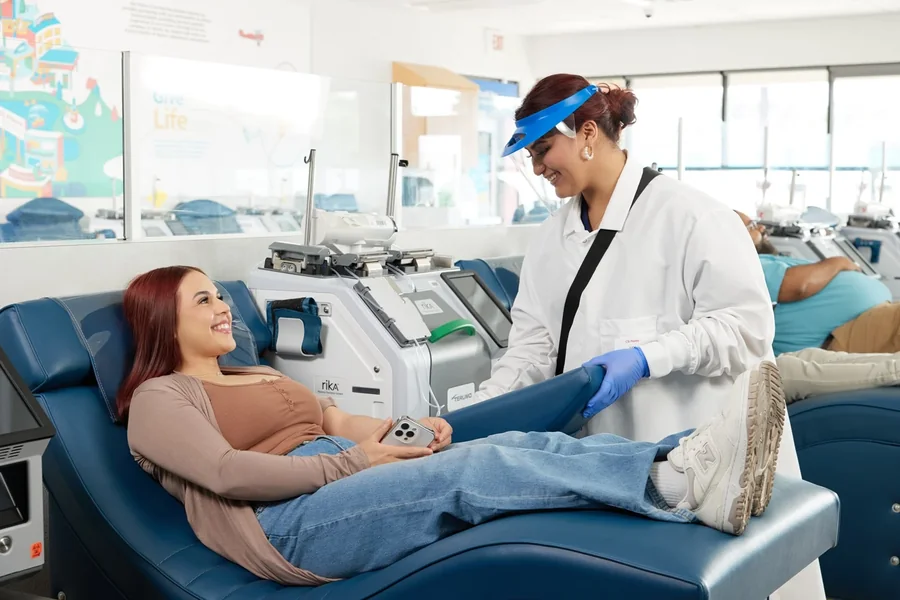
- Donation: Once cleared, donors are led to comfortable donation chairs. The actual plasma collection takes about 45 minutes, and most find it to be a relatively painless process.
- Post-Donation Care: After the plasma collection, individuals receive refreshments to help recharge. This isn’t just a nice touch; it’s vital for recovery.
This guided process keeps donors engaged and informed, making the overall experience smoother and less intimidating.
Common Questions and Answers for First-Time Donors
First-time donors often have a myriad of questions regarding the process. Here are some common inquiries, along with straightforward answers.
- Will it hurt? Most donors report minimal discomfort, primarily attributed to the needle insertion, which typically feels like a brief pinch.
- How often can I donate? Donors can generally give plasma every 28 days. However, this may vary by center, so it’s wise to check specific regulations.
- What should you wear? Comfortable clothing with easy access to the arms is advisable. This facilitates the donation process without hassle.
Being informed and proactive greatly enhances the overall donation experience.
Health Benefits of Donating Plasma: More Than Just Community Service
How Donating Plasma Affects Your Health
Donating plasma isn’t only a generous act; it also brings notable health benefits. Many donors often find an uplift in their health following a contribution.
- Improved blood circulation: Engaging in the plasma donation process helps relax muscles and blood vessels.
- Reduced blood pressure: Regular donations often assist in lowering blood pressure for many donors.
- Health monitoring: Every donation includes a health screening, providing valuable insights into the donor’s current health condition.
By dedicating time to give back, individuals may also enhance their understanding of personal health.
Potential Extra Benefits: Rewards and Compensation Explained
Beyond personal health advantages, donors might find financial compensation or rewards offered by plasma donation centers appealing. Generally, these incentives promote consistent donations.
- Compensation: Many centers provide monetary compensation per donation, often tiered to reward frequent contributions.
- Referral bonuses: Donors who bring in friends might receive additional rewards.
- Loyalty programs: Consistent donors often earn loyalty points, which can be exchanged for gift cards or other perks.
These incentives aren’t solely about financial gain; they reflect the appreciation for donors’ time and dedication.
Preparing for Your Donation Appointment: Key Tips for Success
What to Do Before You Donate: Preparation Essentials
- Stay hydrated: Drinking plenty of water leading up to the appointment helps to facilitate a smoother donation.
- Eat a balanced meal: A hearty meal before the appointment aids in maintaining stable blood sugar levels.
- Avoid fatty foods: Greasy foods can affect plasma quality, so opting for lighter fare is prudent.
These minor adjustments can make a considerable difference for both the donor and the staff managing the donation.
Aftercare: Ensuring a Smooth Recovery Post-Donation
Aftercare is just as important as preparation. To enhance their recovery, donors should keep these key tips in mind.
- Rest: After donating, it’s usually recommended to take some time to relax and let the body recover.
- Continue hydration: Drinking fluids post-donation aids in quicker recovery and helps to stave off fatigue.
- Monitor your body: It’s crucial to pay attention to feelings of lightheadedness or dizziness. If these persist, contacting a facility professional is advised.
This aftercare phase is an opportunity to reinforce the commitment to health and well-being for both donors and recipients of the plasma.
Understanding where to donate plasma in San Diego enables individuals to give back to their community effectively. Choosing a reputable center like ABO Plasma Otay Mesa West allows donors to embark on a rewarding journey that benefits not just themselves, but also others. From health perks to positive impacts on the community, donating plasma represents a unique blend of personal and social responsibility.
FAQ
How long does the entire plasma donation process take?
The overall plasma donation process generally takes about two hours, which encompasses registration, screening, donation, and post-donation care. However, the actual plasma collection itself usually lasts around 45 minutes.
Are there age or weight restrictions for plasma donation?
Yes, most centers require donors to be at least 18 years old and weigh a minimum of 110 pounds. Such criteria help ensure that the donor’s health and safety remain a priority.
Can individuals with certain medical conditions donate plasma?
Many individuals with specific medical conditions may still donate plasma if their health allows it. However, eligibility can differ by center, so it’s critical to disclose all medical history during the registration step.
What should donors expect in terms of pain during the donation?
Typically, most donors report only minor discomfort during needle insertion, frequently described as a small pinch. After the initial insertion, the experience is generally pain-free.
Is it safe to donate plasma regularly?
Donating plasma every 28 days is usually safe for healthy individuals, as the body quickly reproduces plasma. Regular donors often mention that their health improves with consistent donations.
Can donors expect to receive any medical follow-up after donating?
Some plasma centers do provide follow-up information regarding health results from screening conducted during the donation. This feedback can help donors manage their health proactively.
What methods of compensation do plasma donation centers typically offer?
Plasma donation centers might offer financial compensation based on frequency of donations, loyalty points for repeat donors, or referral bonuses for introducing new donors. Incentives can vary significantly by center.
Are there any activities donors should avoid immediately after donation?
It’s recommended that donors refrain from strenuous exercise and heavy lifting right after donating. Resting and hydrating considerably contribute to a smooth recovery following the donation.