
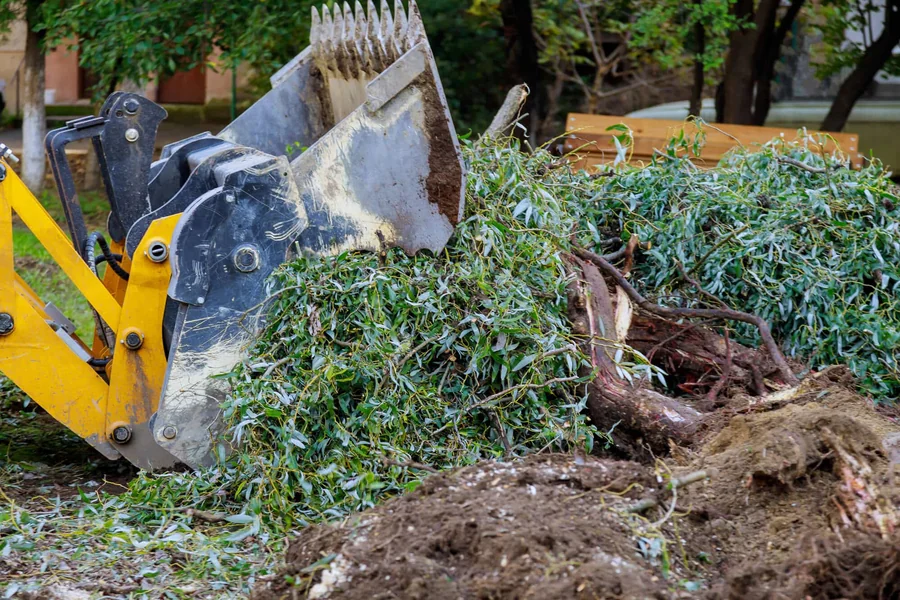
Clearing the land is a critical process in making land ready to be built on, farmed, landscaped, or subject to development plans. Though the procedure might be a simple thing, the wrong clearing of a land can produce severe environmental, financial, and security issues. A common mistake made by many property owners is quite expensive, either over cutting, or neglecting the rules and regulations and adopting unsafe practices.
The land has to be carefully planned so as to preserve it and the quality of land to be maintained without causing any damage. Proper clearing by land clearing experts is not only beneficial in the success of a project but also helps to protect the neighboring structures, wildlife and other natural resources.
Do not Deep Clean Without a Proper Plan:
Clearing land without a clear plan is one of the greatest errors that one can make. The action of clearing of trees, vegetation, or debris without knowledge of the property layout may cause unnecessary destruction and expenditure.
An appropriate plan must be made to determine what should be cleared, which trees should stay and how the drainage or the soil conditions will be influenced. Planning helps to avoid errors that are hard and costly to rectify in future.
Never Cut down More Trees than You Need:
Deforestation on a property by cutting down all the trees can appear as the quickest way to fix the issue but excessive deforestation may lead to long term issues. Trees aid in the management of soil erosion, habitat, and enhance soil stability, as well as complement local ecosystem.
Over-clearing may have the effect of amplifying soil erosion, increasing the temperature and decreasing the natural beauty of the property. It is good to have healthy trees as many as possible to ensure that there is a balance in the environment and that the land has a good value.
It Is Advisable Not To Damage Soil Structure:
The soil structure may be destroyed by heavy machinery and robust clearing techniques. Compressed soil decreases the level of water uptake, influences vegetable growth, and poses drainage problems. Topsoil erosion or excessive disturbance of the ground may also render the earth vulnerable to erosion. The clearing of land must be properly undertaken to ensure that the soil is not harmed or the soil is in its natural state and stable.
Do Not Burn Debris Unsafely:
The unsafe manner in which trees, brush or debris are burnt is harmful and can result in an uncontrolled fire very fast. The burning may also cause environmental and health related issues. Safety should be given the first priority if burning is allowed in the area as well as weather conditions and local laws should be considered prior to the burning of any material.
Do Not Clear Lands During Poor Weather Conditions:
The clearing of land during intensive rains or high winds can pose serious safety and environmental hazards. Due to wet conditions, the ground can be unstable resulting in erosion of the soil. Muddy land can also be more severely damaged by heavy equipment. Trees or debris due to strong winds can become dangerous. The appropriate selection of weather conditions enhances safety and minimizes losses to property.
Do Not Overlook Drainage Systems:
One significant factor that play an important role in the regulation of water flow across the property is natural drainage patterns and inadequate land clearing technique can affect it badly, as it may restrain drainage pipes or channel water inappropriately. Lack of focus on the drainage problems will result in future flooding, soil erosion and water destruction. There must be proper planning to ensure that the water flow of the land after clearing is done is not disturbed.