
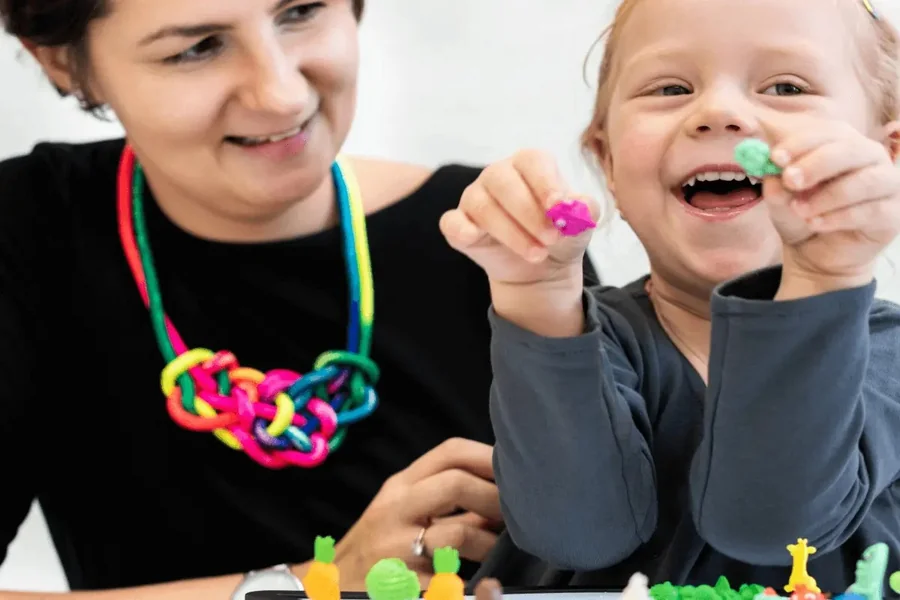
Children respond to sound, light, touch, taste, and movement in unique ways. For some families, daily moments such as noisy hallways, bright classrooms, or certain clothing fabrics may feel intense for a child. Sensory processing disorder can affect routines, learning comfort, and peer relationships. A thoughtful and steady approach helps parents guide children toward calm responses and emotional security. With the right strategies and informed choices, families can support steady progress and help children feel more at ease during everyday experiences.
Many parents explore sensory processing disorder treatment for children once patterns become noticeable. Early guidance often brings clarity, reduces daily stress, and supports a child’s sense of safety during growth and development.
Recognise Early Signs and Daily Patterns
Careful attention to everyday behaviour offers useful insight. Sensory challenges often appear during meals, sleep routines, school hours, or group activities. Some children show distress around loud noise or bright light, while others seek movement, pressure, or tactile input. These responses may vary by setting, time of day, or emotional state.
Written notes about reactions, preferences, and comfort levels help parents track changes over time. Such details also support clear conversations with teachers, counsellors, or therapists. Strong awareness of patterns allows families to plan ahead and reduce sudden stress for a child.
Create a Supportive Home Environment
The home environment plays a central role in sensory comfort. Small adjustments can create a sense of calm and predictability. Soft lighting, neutral colours, and reduced clutter often ease sensory load. A structured daily schedule also provides reassurance and stability.
Helpful ideas for home support include:
- Quiet areas with cushions, bean bags, or weighted blankets
- Visual charts that outline daily tasks and transitions
- Lower noise levels during meals, homework, or rest periods
These changes encourage relaxation and help children recharge within familiar surroundings.
Work With Trusted Professionals
Guidance from trained specialists offers direction and confidence. Occupational therapists often assess sensory needs and suggest practical exercises that suit a child’s profile. School staff also contribute by adapting classroom routines, seating, or activity expectations.
Benefits of professional guidance
- Clear insight into sensory preferences and limits
- Personalised strategies for use at home and school
- Consistent communication across care teams
Strong collaboration among parents, educators, and therapists creates a unified support system and promotes steady progress.
Encourage Positive Coping Skills
Children benefit from tools that support self-regulation and emotional balance. Simple techniques such as slow breathing, gentle stretching, or quiet rest breaks promote calm during stressful moments. These methods help children feel more in control of their reactions.
Ways to support skill growth
- Offer clear choices to encourage independence
- Praise effort, patience, and little progress
- Practice calming routines before busy events or transitions
Positive reinforcement builds trust and supports confidence over time.
Support Social Growth and Confidence
Social interaction may feel overwhelming for children with sensory challenges. Preparation often reduces anxiety. Parents can explain upcoming events, describe what to expect, and rehearse social cues at home. This preparation allows children to enter situations with greater confidence.
Short playdates, familiar environments, and trusted peers support success. Gradual exposure helps children build comfort gradually. Recognition of small achievements strengthens self-esteem and encourages resilience during new experiences.
Support for sensory challenges requires patience, consistency, and understanding. Each child experiences the world in a personal way, and progress often develops in steps. Thoughtful routines, professional insight, and emotional reassurance form a strong foundation. Many families find that sensory processing disorder treatment for children shows better results when paired with steady support at home and school. With encouragement and care, children can enjoy daily routines with greater comfort, confidence, and emotional balance.