
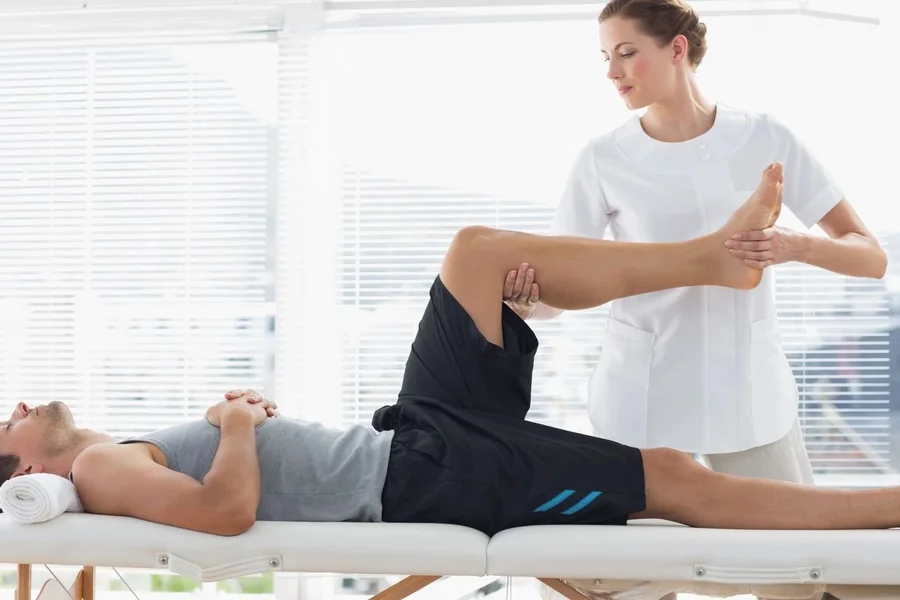
Mobile physiotherapy has emerged as a revolutionary approach in healthcare, combining the expertise of traditional physiotherapists with the convenience of home or on-site care. Professionals in this field are not only skilled in physical rehabilitation but also adapt their methods to dynamic environments, making them essential in delivering personalized and accessible healthcare. Their work encompasses everything from post-surgical recovery to chronic pain management, sports injury rehabilitation, and elderly care.
The Role of Mobile Physiotherapists
Mobile physiotherapists, sometimes referred to as traveling or home-visit physiotherapists, are licensed healthcare professionals trained to evaluate, diagnose, and treat patients outside of conventional clinical settings. Unlike traditional physiotherapy, which typically requires patients to visit a clinic, mobile physiotherapists bring their services directly to patients’ homes, workplaces, or community centers. This flexibility is particularly valuable for patients with mobility challenges, those recovering from surgery, or individuals living in remote areas.
These professionals use the same foundational techniques as clinic-based physiotherapists. These include manual therapy, exercise prescription, postural training, and pain management strategies. What sets them apart is their ability to customize treatment plans to the patient’s environment. For example, a mobile physiotherapist might adapt exercises to fit the limited space of a patient’s apartment or incorporate household items to assist in rehabilitation.
Qualifications and Training
Becoming a mobile physiotherapist requires extensive education and certification. Most professionals hold a degree in physiotherapy from an accredited institution and have obtained licensing through a recognized healthcare board. In addition to foundational physiotherapy knowledge, mobile physiotherapists often pursue specialized training in areas such as geriatric care, sports rehabilitation, neurological disorders, and manual therapy techniques.
Professional development in this field also emphasizes soft skills. Effective communication, empathy, and adaptability are crucial because mobile physiotherapists work in diverse settings and often deal with patients who may be anxious or limited in mobility. Strong problem-solving skills are also necessary, as these professionals must often improvise treatments based on available resources and the patient’s home environment.
Technology and Tools in Mobile Physiotherapy
Modern mobile physiotherapists increasingly leverage technology to enhance patient care. Portable assessment tools, such as handheld ultrasound devices and goniometers, allow accurate monitoring of joint movement and muscle function on-site. Digital platforms and telehealth applications enable physiotherapists to track progress, share exercise programs, and conduct virtual check-ins when in-person visits are not feasible.
Wearable technology is another innovation embraced by professionals in this field. Devices that monitor activity levels, heart rate, and posture can provide valuable data to inform rehabilitation programs. By combining traditional physiotherapy techniques with modern technology, mobile physiotherapists deliver highly personalized care while maintaining professional standards outside a clinical environment.
Specializations Within Mobile Physiotherapy
Mobile physiotherapy is a broad field with various areas of specialization. Some professionals focus on pediatric physiotherapy, assisting children with developmental delays, muscular disorders, or post-injury rehabilitation. Others specialize in geriatric care, supporting elderly patients with balance issues, osteoporosis, and mobility maintenance. Sports-focused mobile physiotherapists work closely with athletes, both amateur and professional, to prevent injuries, enhance performance, and aid recovery after surgeries or injuries.
Neurological physiotherapy is another critical area. Professionals in this niche work with patients recovering from strokes, spinal cord injuries, or neurodegenerative conditions, often requiring home modifications and specialized adaptive equipment. Pain management specialists, meanwhile, develop personalized exercise and therapy plans to help patients cope with chronic pain and regain function.
Impact on Healthcare Accessibility
The work of mobile physiotherapy professionals has a profound impact on healthcare accessibility. By bringing treatment to patients, these professionals reduce barriers such as transportation challenges, long clinic wait times, and geographic limitations. This is especially significant in rural or underserved areas, where access to specialized physiotherapy care can be limited. Additionally, mobile physiotherapists often play a crucial role in preventive care, educating patients and caregivers on proper ergonomics, safe exercise techniques, and injury prevention strategies.
Challenges and Future Outlook
Despite its many benefits, mobile physiotherapy presents unique challenges. Professionals must manage travel logistics, maintain portable equipment, and ensure patient privacy in non-clinical settings. They also need to stay updated on emerging treatment protocols and technologies to deliver high-quality care consistently.
Looking ahead, the demand for mobile physiotherapy is expected to grow, driven by an aging population, increasing awareness of preventive healthcare, and the convenience factor it offers patients. Professionals in this field will continue to innovate, integrating new technologies, telehealth services, and community-based rehabilitation programs to meet diverse patient needs.
Conclusion
Mobile physiotherapy professionals represent a critical evolution in healthcare, blending traditional rehabilitation expertise with flexibility and patient-centered care. Their ability to deliver customized, accessible treatments in homes, workplaces, and remote locations underscores their value in modern medicine. As the field grows, these professionals will remain at the forefront of innovation, improving quality of life and making physiotherapy more accessible than ever before.