
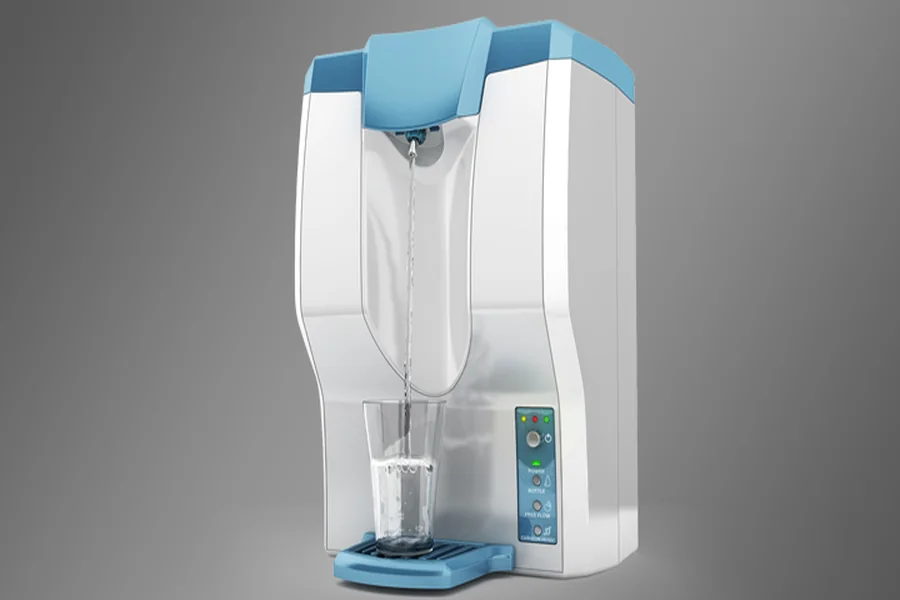
Choosing the right water purifier is essential for ensuring safe drinking water at home. While UV water purifiers are a popular choice because they effectively disinfect water, they may not always be the complete solution for every household. The quality of your water supply, the type of contaminants present and your family’s daily needs all play an important role in deciding whether a UV purifier is enough. Before investing in a water purifier, it is worth understanding how UV technology works and the situations where it performs best.
How Does a UV Water Purifier Work?
A UV water purifier uses ultraviolet light to deactivate harmful microorganisms such as bacteria, viruses and other pathogens. The UV rays damage the DNA of these microorganisms, preventing them from multiplying and causing illness.
Unlike filtration technologies, UV purification does not add chemicals to the water or change its taste. It is also a quick and energy efficient method of water disinfection, making it suitable for homes that receive microbiologically contaminated but otherwise clear water.
When is a UV Water Purifier Enough?
A UV water purifier can be a suitable option if your water source already has low levels of dissolved impurities and suspended particles. It works well in situations where:
- The water is relatively clear.
- The primary concern is bacteria and viruses.
- The municipal water supply has already undergone basic treatment.
- The Total Dissolved Solids (TDS) level is within acceptable limits.
In these conditions, UV purification provides an additional layer of protection by helping eliminate harmful microorganisms before the water reaches your glass.
Situations Where UV Alone May Not Be Sufficient
Although UV technology is highly effective against microorganisms, it cannot remove every type of impurity present in water.
A UV water purifier may not be enough if your water contains:
- High levels of dissolved salts and minerals.
- Heavy metals such as lead or arsenic.
- Chemical contaminants.
- Mud, sand or visible suspended particles.
- Excessive hardness.
Since UV light only disinfects water, it does not filter out these physical or dissolved contaminants. In such cases, a purifier with multiple purification stages, such as RO and UV, may offer more comprehensive treatment.
Factors to Consider Before Buying a UV Water Purifier
Choosing the right purifier depends on more than just the technology. Consider these important factors before making a decision.
Know Your Water Source
Find out whether your drinking water comes from a municipal supply, borewell or tanker. Different sources have different contamination risks and may require different purification methods.
Check Water Quality
A simple water quality test can help determine TDS levels, hardness and the presence of contaminants. This information makes it easier to choose the right purifier for your home.
Household Water Usage
Consider your family’s daily drinking water requirements and choose a purifier with adequate storage capacity and flow rate.
Maintenance Requirements
UV lamps require periodic replacement to maintain effective disinfection. Regular servicing also helps ensure consistent purifier performance over time.
Future Water Quality Changes
Water quality can vary with seasonal changes, construction activity or ageing pipelines. If your water source is prone to fluctuations, selecting a purifier with multiple purification technologies may provide greater flexibility.
Final Thoughts
A UV water purifier is an excellent solution for households where the primary concern is microbiological contamination and the incoming water is already relatively clean. However, it is not designed to remove dissolved impurities, chemicals or heavy metals.
Understanding your water quality is the first step towards making the right choice. By evaluating your water source, contamination levels and household requirements, you can select a purification system that provides reliable protection and cleaner drinking water for your family.