
Key Takeaways
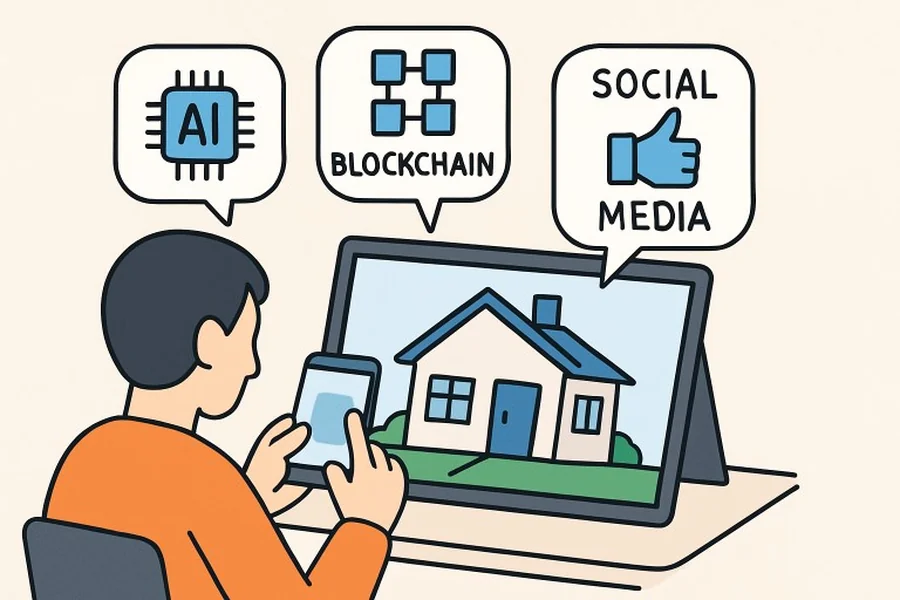
- Virtual and augmented reality enable buyers to tour homes remotely, saving time for all parties involved.
- AI-driven automation personalizes property matches and supports informed decision-making.
- Blockchain technology elevates security and transparency in transactions.
- Mobile apps enable immediate access to listings, market data, and communication tools.
- Social media serves as a robust channel for engaging buyers and sharing listings.
Modern advances in technology have fundamentally changed the way real estate transactions are conducted, offering buyers and sellers more efficiency, flexibility, and information than ever before. From immersive digital tours to blockchain-backed security, these tools are streamlining every step of the property journey. For those navigating the local market, enlisting the support of a knowledgeable Mississauga real estate agent Sam McDadi ensures that clients benefit from both cutting-edge digital resources and expert guidance.
Technology doesn’t just enhance convenience; it also increases transparency, improves the accuracy of listings, and empowers consumers to make more informed decisions. As the digital real estate landscape evolves, individuals and professionals who adapt to these tools are best positioned to succeed in competitive markets.
Virtual and Augmented Reality: Touring Homes from Anywhere
Buyers today don’t have to visit dozens of homes to narrow down their options physically. Virtual reality (VR) and augmented reality (AR) technologies allow users to explore interactive 3D tours, walk through properties, and even visualize customized upgrades, all from their smartphone or computer. For international or out-of-town buyers, this is invaluable, as it can dramatically reduce travel costs and time spent searching.
Augmented reality applications also allow users to reimagine spaces—swapping paint colors, rearranging furniture, or adding decor elements with just a few taps. This added visualization helps buyers see a home’s full potential before committing. As highlighted by Zillow, these immersive tech tools are driving a new era of consumer engagement and decision-making in the real estate industry.
Artificial Intelligence: Streamlining Processes and Personalizing Recommendations
Artificial intelligence (AI) is central to the evolving real estate experience. AI algorithms analyze vast pools of data, from historical pricing trends to personal user preferences, to generate property recommendations tailored to specific needs. Virtual assistants and chatbots now deliver instant responses to buyer and seller questions, improving communication speed and client satisfaction. Moreover, AI solutions enable agents to identify emerging market trends and predict shifts in supply and demand, allowing both investors and homeowners to act with greater confidence.
For example, predictive analytics can alert users to price reductions, up-and-coming neighborhoods, or homes that fit unique requirements, ensuring that no opportunity is missed. As reported by Forbes, Real estate professionals can use an AI presentation maker to visualize how emerging technologies are reshaping the home buying and selling experience for presentations or client workshops.
Blockchain Technology: Enhancing Security and Transparency
Blockchain is becoming an increasingly prominent fixture in the real estate sector, offering unprecedented levels of security and transparency in transactions. Every change or update to a property record is logged in a decentralized, tamper-resistant ledger, making fraud and data discrepancies far less common. With the implementation of smart contracts, agreements such as purchase agreements or rental contracts can be executed automatically once predefined conditions are satisfied, thus eliminating unnecessary paperwork and delays.
For buyers and sellers, this translates into a more seamless and transparent process. Sensitive information is encrypted, and all parties have real-time access to critical transaction data, reducing the potential for miscommunication and disputes. As more governments and financial institutions explore the potential of blockchain in the real estate sector, confidence in its security and reliability continues to rise.
Mobile Applications: Real-Time Information at Your Fingertips
Mobile applications have become essential tools for anyone buying or selling a home. With intuitive interfaces and powerful features, apps like Zillow and Realtor.com let users filter listings, view high-quality pictures and virtual tours, and receive updates on the latest market activity. Push notifications deliver instant alerts about new listings, price changes, or upcoming open houses, helping buyers act quickly on opportunities. Sellers benefit from tools that allow them to monitor interest in their properties and respond to inquiries promptly.
Mobile technology keeps every stakeholder connected and informed, whether they’re comparing mortgage rates, scheduling showings, or signing documents digitally. According to Forbes, the ever-increasing shift toward digital-first experiences is rapidly redefining user expectations for speed and accessibility in home transactions.
Social Media: Expanding Marketing Reach and Engagement
Social media platforms are now staple marketing tools in real estate, empowering agents and sellers to reach global audiences through visual storytelling. On Instagram, Facebook, and TikTok, property videos, high-resolution images, and even live-streamed open houses engage potential buyers in fresh and interactive ways. This digital-first approach extends reach far beyond traditional marketing methods, generating buzz and attracting new buyers—including millennials and Gen Z, who are more likely to research homes online before visiting in person.
With features like paid digital advertising and targeted demographic filtering, sellers can connect with buyers who are most likely to be interested in their properties. The interactivity of these platforms also promotes more meaningful engagement and faster lead generation, helping listings stand out in crowded markets.
Final Thoughts
The ongoing evolution of technology is transforming every aspect of the home buying and selling process—from discovery and touring to negotiation and closing. Both consumers and industry professionals who adopt digital tools and platforms are discovering new efficiencies, gaining better insights, and accessing a wider array of opportunities. As the real estate market continues to innovate, staying informed and adaptable is key to achieving success in this dynamic landscape.