
Installing an air conditioner is one of the best ways to ensure your Thunder Bay home stays cool and comfortable during the humid summer months. Thoughtful preparation and informed decisions at every step of the process can yield a smooth, efficient system that stands the test of time. Whether you are upgrading from window units or installing central air for the first time, these tips are designed to help you achieve lasting comfort. For those seeking expert help, Thunder Bay air conditioner installation services can simplify the project and provide peace of mind.
The local climate and your home’s unique features mean there is no universal approach to air conditioning installation. You need to consider your current insulation, ductwork, and many other factors to make the best choice for your family and budget. Avoiding common pitfalls will also help you maximize both comfort and energy efficiency.
Thorough planning goes beyond just selecting a popular model. It is vital to match the system’s capacity to your specific needs and to factor in factors such as home layout and usage habits. Investing time up front ensures you do not face issues with uneven cooling or high utility bills later. Understanding your options and doing your research are essential first steps.
Since installation complexity can vary greatly, especially in older or uniquely constructed homes, talking with certified HVAC professionals early in the process will help you navigate permits, electrical requirements, and the latest technology.
Assess Your Cooling Needs
The first step in any successful air conditioner installation is determining your cooling requirements. An air conditioner that is too small will work harder to cool your home, leading to high energy use and constant discomfort. Conversely, a unit that is too large can result in short cycling, reduced efficiency, and poor humidity control. Aspects such as total square footage, window size and orientation, insulation quality, and even ceiling height all play roles in determining the ideal system. For an accurate assessment, most HVAC professionals use a method called Manual J load calculation, which factors in all relevant building characteristics and typical weather conditions for Thunder Bay.
Choose the Right AC System
Several types of air conditioning systems are available, each suited to different home layouts and budgets. Central air conditioning is well known for efficiently cooling entire homes, particularly where ductwork is already in place. In homes lacking ducts, ductless mini-split systems offer flexible, zone-specific cooling with quiet operation and simplified installation. Heat pumps, which provide both cooling in summer and heating in winter, have become increasingly popular for their year-round versatility and energy efficiency. When selecting your system, review upfront cost, efficiency ratings, and expected maintenance requirements. Checking resources like Consumer Reports’ air conditioner buying guide can help you decide what best fits your circumstances.
Prepare Your Home for Installation
Getting your home ready for installation can help the process go smoothly and protect your investment. Assess the condition and cleanliness of existing ductwork, as leaks or blockages can lead to uneven cooling and higher bills. Make sure your electrical panel can handle the new system, as many modern air conditioners require dedicated circuits and increased amperage. Lastly, clear any clutter from installation areas so technicians can access workspaces safely and efficiently. This preparation makes it easier for professionals to do their job right the first time.
Hire a Qualified Professional
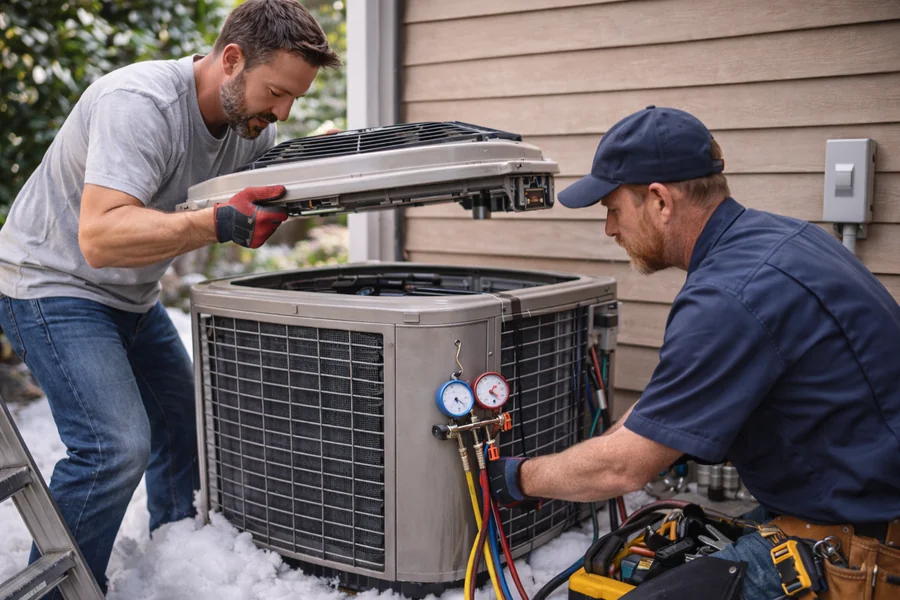
While it might be tempting to attempt a DIY installation, hiring a licensed HVAC contractor is essential to ensure both safety and code compliance. Professional installers are trained to handle refrigerants, perform proper electrical wiring, and make complex mechanical connections. They will also handle manufacturer warranty requirements and municipal permits, helping you avoid costly mistakes and future headaches. Ask for references, verify credentials, and get multiple quotes to find a reputable, experienced professional.
Understand the Installation Process
Familiarizing yourself with common installation steps can help you stay informed and in control during the project. Most installations begin with an initial assessment by the HVAC technician, who recommends the best equipment and placement strategies for your home. Careful load calculations ensure that the system operates as intended. The technician will then install the main components, such as the indoor evaporator unit, the outdoor condenser, and any necessary ductwork or refrigerant lines. The final stages include a full system test and adjustments to optimize performance. Being present for these phases allows you to ask questions and address concerns right away.
Post-Installation Maintenance
Protect your investment and maintain performance by following a regular maintenance routine. Replace or clean air filters every one to three months, paying closer attention during peak cooling periods. Keep the area around your outdoor unit free of plants, leaves, or debris that might block airflow. Schedule an annual service appointment with a licensed technician to inspect refrigerant levels, clean coils, and check all electrical components. Proper maintenance extends equipment lifespan and supports reliable operation.
Energy-Saving Tips
Efficient operation not only reduces your environmental impact but can also result in noticeable savings on your monthly energy bills. Programmable thermostats let you set cooling schedules, limiting unnecessary use when you are away or asleep. Double-check windows and doors for leaks, using weatherstripping and caulking as needed to keep cool air inside. Ceiling fans complement your air conditioner by circulating air evenly, letting you set the thermostat a few degrees higher without sacrificing comfort.
Conclusion
A carefully planned and professionally executed air conditioner installation can provide years of comfort for Thunder Bay homeowners. By understanding your specific needs, selecting the right system, preparing your home, and following regular maintenance, you ensure both comfort and cost-effectiveness. When in doubt, consult with experienced HVAC professionals to help you navigate the details and secure lasting results.