
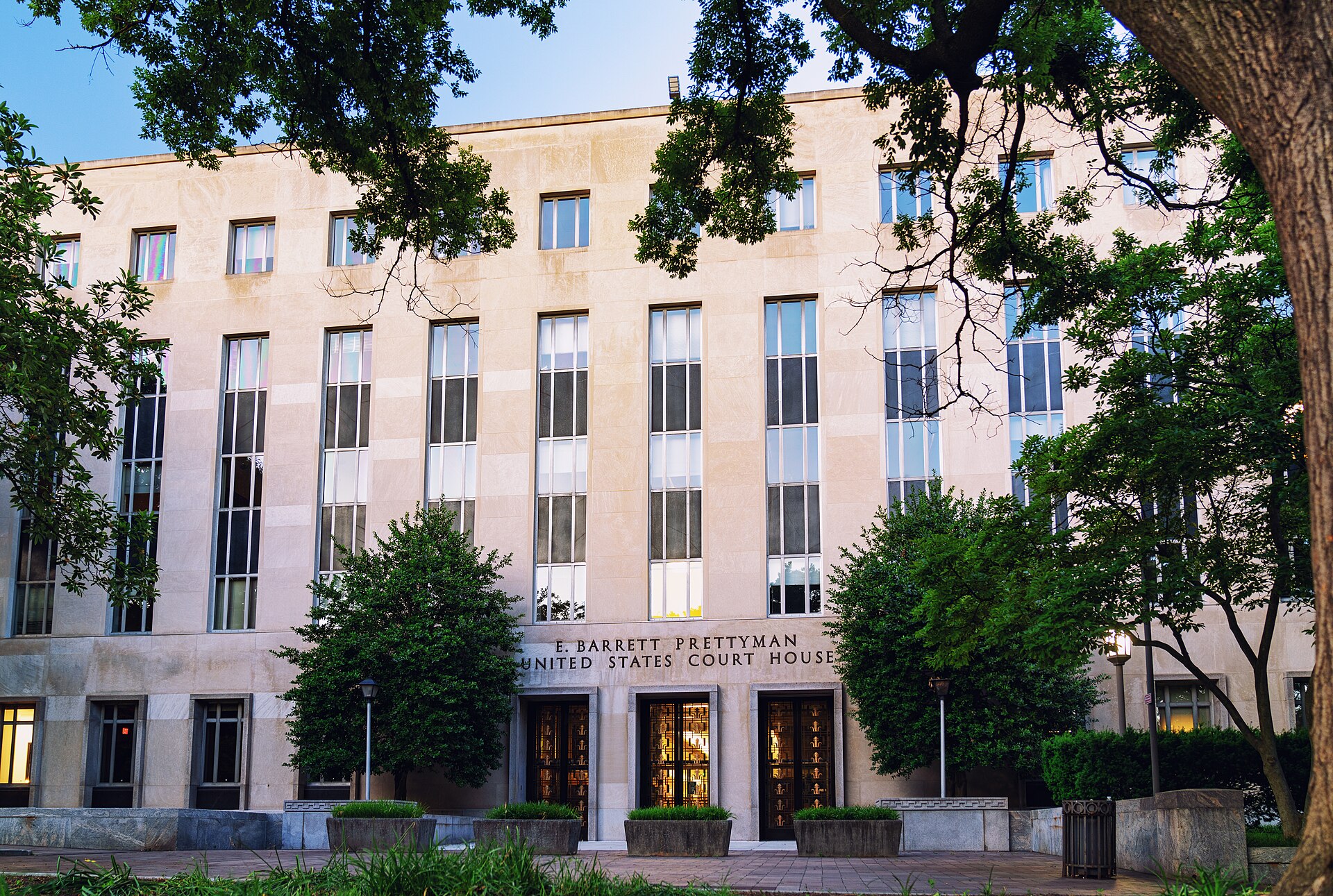
Getting arrested by the feds may turn your life around in hours. Federal agents may question you, you may have to go to court, and even jail. You also potentially put your job, your family, and your reputation at risk. So if you are a federal Washington, DC prosecution defendant, maybe the first thing you should do is discover your rights. Federal criminal cases are governed by regulations and procedures that are different from many local rules. The beginning decisions in the game impact your case.
How Is a Federal Arrest Different?
DC federal arrests typically include suspected offenses against federal law. Such crimes include drug trafficking, organized prison activities, cybercrime, weapons offenses, bank fraud, and others. Federal agencies, including the FBI, the DEA, and the ATF, investigate these concerns. Agents can spend months researching databases and interviewing witnesses and obtaining evidence before making an arrest. For other cases, an inquiry begins with an arrest warrant. Others begin with a grand jury indictment or criminal complaint. It depends upon the facts and the charges. There are also federal cases with tons of suspects or tons of information to go through. That renders it tricky to deal with without legal counsel. Being arrested does not mean that you are guilty, and the government will need to prove its case beyond a reasonable doubt at trial.
When Do You Need a Federal Defense Attorney?
A good rule of thumb is to obtain legal advice before being arrested. Some red flags that will require your contact with a defense lawyer include:
Federal agents approach you. Speak to an attorney before you speak to agents of the FBI or other federal investigators if you are asked to be interviewed. Your answers can be used against you, even if they say you’re not under arrest …
They issue you a subpoena. A subpoena may require you to appear in court and provide documentation. A lawyer will explain what it means and how you might respond.
You Are Warned of a Federal Investigation. Your Friend, Acquaintance, or Business Partner Discusses Being Questioned by Agencies. Don’t ignore that warning; acquire advice.
You’ve been charged with a federal offense. Once you’re charged, then a defense lawyer can tell you what charges you’re facing, what the process will be in court, and also what kind of penalties you may be facing.
Your lawyer can also assist you understand your rights, and having one as soon as possible will help you avoid costly mistakes.
Facing an FBI Arrest.
Arresting is stressful enough as it is, but it may be even scarier when the authorities begin interrogating you. Try your best to be calm and exercise your rights. Keep quiet and ask for an attorney. Do not offer information relevant to the offense you’re accused of without being asked. Do not lie, guess, or make false statements. Don’t fight, arrest or argue with police officers. Do not delete messages or destroy data or hide documents related to a case. You may even get into further legal difficulties. Save all documents related to your discharge and court orders. Note significant dates and follow court instructions. Tell the truth totally, even the uncomfortable parts of the truth.
What Is a Defense Attorney, Anyway?
Federal criminal defense is not only about standing behind someone in court. A lawyer carefully examines the case, discusses the charges with the client, and helps the client to make informed choices.
Examining Government Evidence
The government may have witness declarations, video, bank records, phone records, or e-mails. A defense lawyer examines the evidence presented and searches for any holes or inconsistency. The lawyer may also question whether the agents have obtained evidence lawfully. If the search or questioning was illegal, the defense may ask the court to “exclude” (suppress) evidence. Not all errors result in exclusion of evidence. A judge has to consult the facts and consider the law.
Court Preparation
He or she typically appears before a federal court within days after his or her arrest. The court will explain the charges, rights under the law, and may make a judgment about release. Your defense counsel can prepare for this hearing and argue against release if the facts warrant it. The court may place conditions, such as bans on travel, check-ins, and be subject to an electronic monitor. It may consist of multiple stages, such as an arraignment, presentation of evidence, pre-trial motions, plea negotiations, and trial. Your lawyer can explain to you what each stage involves and what you should expect.
Building a defense strategy
Specific facts of a federal case Defenses must fit evidence, law, and what the client seeks. A defense lawyer might challenge government case law or witness testimony or might seek to suppress evidence. The defense may also choose a plea bargain. Plea bargains might include jail time, fines, and restrictions on future work with future consequences. Never plead before you are fully aware of the terms of the plea and the ramifications.
Possible Consequences And If I Am Convicted in Federal Court?
Federal Sentence is Based on Charges, Facts, and Prior Record of an Individual. However, some charges come with prison and heavy monetary fines. Probation or other sentences may be allowed by the law. The sentence also can affect housing, employment, licensure, and even travel. It is dependent upon the crime and the circumstances. Discuss with your attorney what the likely punishment will be and what some of the additional repercussions may be. Your obvious guidance can help you to explore your alternatives more carefully before you make any crucial decisions.
How to Choose a Federal Criminal Lawyer in Washington, D.C.
Federal court is distinct from state court. A criminal federal lawyer can assist you during this process. Capital Criminal & DUI Group crime defense attorney in Washington, DC, Qualex HD video Crime rates. David Benowitz is an experienced criminal defense attorney who aggressively defends his clients’ rights. He is an AV rated attorney with Martindale-Hubbell and the National College of DUI Defense. A federal criminal defense attorney in DC can evaluate your circumstances, review options for defenses, and assist you in preparing for court. Ask the lawyer about his/her experience with comparable cases, what to expect going forward, and the costs of legal representation. Don’t let small things become big things. But if you get a call or a visit from federal agents, hire an attorney right away.
FAQs
1. What are some offenses that you can be arrested for federally in Washington, DC?
For example, public corruption, gun violations, cybercrimes, drug trafficking, and fraud can get you jailed for federal felony.
Government agencies investigate crimes against the government. The government must prove charges beyond a reasonable doubt when the case is brought in federal court.
2. Can Federal Officials Question Me Without an Attorney?
You are entitled to an attorney if federal officials are questioning you about a possible crime.
The simple fact is that the less you speak to federal authorities, the better off you will be. Once you open your mouth, you’re stuck with your answer. Do not lie, fabricate, or make false records. If you have information that could be useful to the inquiry, consult an attorney before you speak.
3. Can I have a lawyer before I am charged with a crime?
Yes. If you learn that the feds want to speak with you or investigate you, you might wish to get a lawyer.
Getting advice early on can help you understand a subpoena, cooperate with permissible requirements, and protect your rights. It may also help you avoid saying or doing something that could harm your case.
4. Can You Post Bail for a Federal Arrest?
Yes. The court will sometimes release a defendant prior to trial, albeit under stiff conditions.
Specifically, the court will consider the degree of harm of the offender against other people and the possibility of absconding of the defendant. Your defense lawyer can make a case for your release and tell when you’ll be released by the court.
5. When to obtain a federal criminal defense lawyer
If you are arrested/investigated for the federal case, then:
An Attorney can assess any evidence, examine charges, prepare for hearings, and plan for your defense. Early legal guidance will also allow you to deal with agents and court rules.