
Key Takeaways
- Minimalist layouts improve readability and decision-making.
- Digital menus offer flexibility and interactive features.
- Strategic use of colors and typography enhances visual appeal.
- High-quality images can increase order rates.
- Personalized menu options cater to diverse customer preferences.
In today’s highly competitive restaurant industry, a thoughtfully designed menu is one of the most powerful tools for elevating the customer experience and maximizing sales. Menu design doesn’t just list food options; it serves as a strategic touchpoint to guide customer choices, reinforce your brand, and ultimately encourage larger or higher-margin orders. For restaurateurs looking to gain an edge, exploring menu design ideas can unlock new opportunities to connect with diners and stand out in a crowded market. Whether you are opening a new concept or revamping an existing menu, every menu design decision plays a crucial role in how guests interact with your offerings. Factors such as layout, technology integration, color use, and visual presentation all work together to shape perceptions and influence purchase decisions. Understanding and applying innovative design techniques is essential not just for aesthetics but also for improving operational efficiency and customer loyalty. These menu design strategies are rooted in behavioral science and consumer psychology. Smart restaurant owners and managers are leveraging digital tools, minimalist structures, attention-grabbing visuals, and customization options to drive customer satisfaction. Embracing these trends ensures your menu adapts to changing industry dynamics and diner expectations. Creating a memorable dining experience starts with the menu. This foundation invites customers in, piques their curiosity, and gives them confidence in their selections.
Embracing Minimalist Layouts
Adopting a minimalist approach to menu design can greatly enhance both readability and the customer’s ability to make quick, confident decisions. Instead of cluttered pages jammed with too many choices and graphics, minimalist layouts strip the menu down to the essentials. This method forces focus on the most profitable and popular items, using negative space and clear categorization to prevent decision fatigue. According to research from Bournemouth University, customers are more likely to select higher-priced menu items and feel satisfied with their choice when presented with fewer, well-organized options. Minimalist layouts demonstrate that less can truly be more for both customer satisfaction and your bottom line.
Leveraging Digital Menus
Digital menus have rapidly transformed how restaurants deliver menu information and adapt to evolving customer expectations. With digital platforms, updates can be made instantly to reflect inventory, seasonal specials, or pricing changes. Interactive elements like photos, allergen filters, and customer reviews enrich the browsing experience. QR code menus, which became popular during the pandemic, also boost hygiene and convenience. Integrating digital menus with table ordering systems streamlines operations and can even enhance upselling opportunities by suggesting add-ons or specials during the ordering process. This dynamic capability gives restaurants greater control over menu presentation while offering guests a modern, interactive way to explore their dishes.
Utilizing Color and Typography
The strategic use of color and typography is scientifically proven to influence customer perception and behavior. Colors can subtly communicate the restaurant’s brand, evoke appetite, and direct attention to key items. For example, reds and oranges are known to stimulate hunger, while greens may signal health and freshness. Typography also sets the tone; modern fonts suggest trendiness, while classic typefaces indicate tradition. Ensuring high contrast, such as light text on dark backgrounds or dark text on light backgrounds, increases readability and reduces eye strain. Consistent font sizes and text casing guide customers through sections seamlessly. By combining these elements, restaurants can create a visually cohesive menu that not only looks professional but also encourages diners to spend more time engaged with the offerings.
Incorporating High-Quality Images
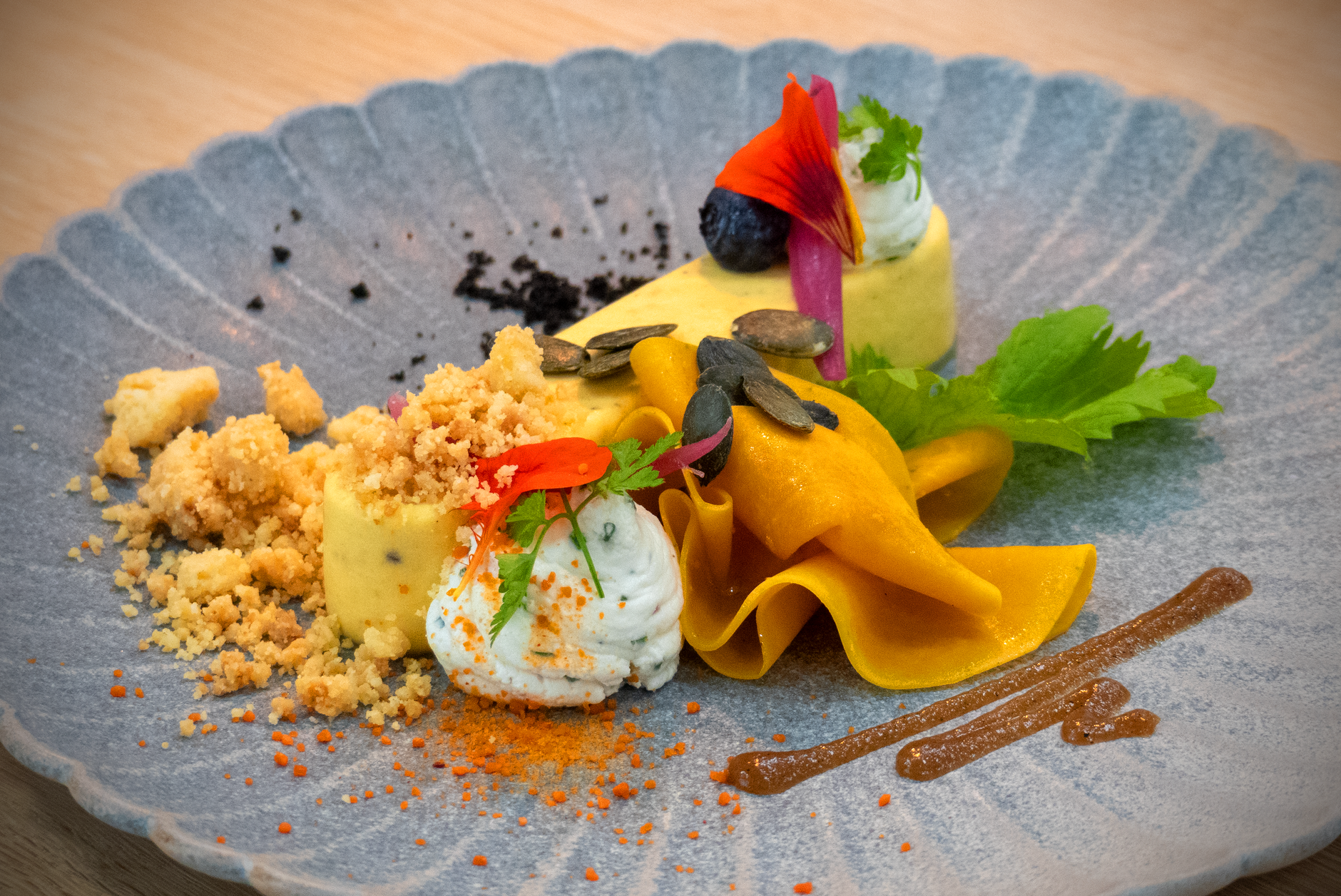
Including professional, well-lit images of select menu items can have a meaningful impact on sales. The human brain processes images much faster than text, and a tantalizing photo may be the nudge a guest needs to try something new or make a higher-ticket decision. Restaurant studies show that menu items with photos are typically ordered more frequently than those without. However, restraint is key: prioritize high-resolution images for bestsellers or signature dishes, avoiding an overwhelming menu overloaded with pictures. Natural lighting and simple backgrounds will showcase the quality and appeal of your cuisine, keeping the focus where it belongs, on the food itself.
Offering Personalized Options
Today’s diners come with a wide array of dietary needs and personal preferences. Offering personalized options, such as customizable ingredients, build-your-own plates, or multiple portion sizes, demonstrates a real commitment to customer care. Digital menus excel here, as they allow diners to select substitutions, adjust spice levels, or remove allergens during the ordering process. Personalization not only boosts guest satisfaction but also builds repeat business by reinforcing that your restaurant values and accommodates every customer’s unique taste and health requirements.
Conclusion
Innovative menu design is more than an exercise in creativity; it is a critical element of restaurant success. Adopting minimalist layouts makes your menu easy to navigate, while digital menus deliver agility and interactive convenience. Colors and typography can subtly steer customer behavior, and high-quality photography can spark cravings. Most importantly, personalized menu options contribute immensely to an inclusive and satisfying experience for every diner. Restaurants that invest in strategic menu design not only enhance customer engagement but also position themselves to achieve consistent sales growth in a competitive marketplace.