
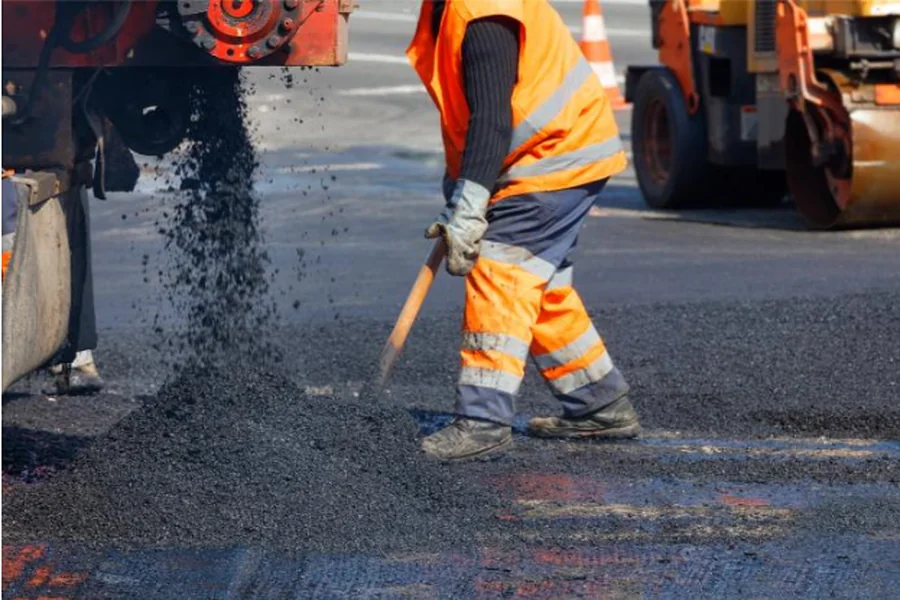
A smooth parking lot or driveway often goes unnoticed until cracks, potholes, or uneven areas begin causing problems. Quality pavement supports vehicles every day, improves safety, and creates a welcoming first impression for visitors. Whether you own a home or manage a commercial property, understanding the paving process helps you make better decisions before starting a project.
Every successful paving project starts long before asphalt reaches the job site. Careful planning, proper site preparation, and skilled installation all contribute to a surface that performs well for years. Property owners who understand these steps are better prepared to ask the right questions and recognize quality workmanship.
Professional asphalt paving in Lewisville starts with thoughtful planning and attention to detail at every stage of the project. If you would like to learn more about pavement design and roadway construction standards, the Federal Highway Administration provides helpful information at https://highways.dot.gov.
Why Planning Is the Foundation of Every Successful Project
Planning is one of the most important parts of any paving project. Before work begins, contractors inspect the site, evaluate the existing pavement, measure the area, and identify potential challenges. This allows them to develop a plan that fits the property’s needs instead of applying the same approach to every job.
Drainage is one of the biggest concerns during this stage. Water is one of pavement’s greatest enemies because it weakens the foundation underneath the asphalt. A properly designed surface directs rainwater away from the pavement instead of allowing it to collect in low spots. Good drainage helps protect the investment from premature wear.
Traffic also influences planning. A residential driveway experiences different demands than a busy commercial parking lot. Contractors consider how often vehicles use the surface and how much weight it will regularly support before determining the proper pavement thickness.
Preparing the Site Before Asphalt Arrives
Preparation is where long-lasting pavement truly begins. Even the highest-quality asphalt performs poorly if the underlying foundation is unstable. A strong base supports the pavement and reduces movement that may eventually cause cracks or uneven surfaces.
Most projects begin by removing damaged pavement, vegetation, or loose material from the area. Contractors then reshape the ground to create the proper slope for drainage. This step helps rainwater flow away from the finished surface rather than soak into the foundation.
Once grading is complete, layers of crushed stone or aggregate are installed and compacted. This compacted base provides stability and supports the weight of vehicles throughout the pavement’s lifespan. Skipping or rushing this step often leads to expensive repairs later.
Understanding the Asphalt Installation Process
After preparation is complete, the installation phase begins. Fresh asphalt is delivered while it remains hot enough to be properly placed and compacted.
Specialized paving equipment spreads the asphalt evenly across the prepared base. Maintaining a consistent thickness throughout the project is important because uneven pavement often wears at different rates over time.
Heavy rollers then compact the asphalt to remove air pockets and create a dense, smooth surface. Proper compaction strengthens the pavement while improving durability and appearance. Experienced crews pay close attention during this process because timing and temperature play an important role in producing quality results.
Professional asphalt paving depends on precision during every stage, from material delivery to final compaction. Small details often make a noticeable difference in how long the finished pavement lasts.
Factors That Influence Pavement Lifespan
Several factors determine how long asphalt remains in good condition. While no pavement lasts forever, thoughtful installation and routine care greatly extend its service life.
Some of the most important influences include:
- A properly compacted foundation
- Effective drainage throughout the property
- Appropriate pavement thickness
- Local weather conditions
- Vehicle traffic and weight
- Regular maintenance
When these factors work together, pavement remains attractive and functional for many years.
Maintenance Helps Protect Your Investment
Like any outdoor surface, asphalt benefits from routine maintenance. Small efforts performed regularly often prevent larger repair projects later.
Sealcoating is one of the most common maintenance services. It creates a protective layer that helps reduce damage caused by sunlight, moisture, and automotive fluids. While sealcoating does not repair structural problems, it helps preserve the surface as it ages.
Crack filling is another important maintenance task. Even small cracks allow water to enter beneath the pavement, where it weakens the foundation over time. Addressing these openings early reduces the chance of larger issues developing.
Routine cleaning also matters. Leaves, dirt, and standing debris trap moisture against the pavement while hiding small defects that deserve attention. Keeping the surface clean makes inspections easier and helps maintain curb appeal.
Scheduling occasional inspections allows contractors to identify early signs of wear before repairs become more extensive. Regular maintenance helps asphalt paving continue performing well while protecting the property’s appearance.
Common Mistakes Property Owners Should Avoid
Many paving problems result from decisions made before construction even begins. Avoiding a few common mistakes often saves money over the long term.
One mistake is selecting a contractor based only on price. Lower estimates sometimes reflect shortcuts in preparation or materials that may reduce the pavement’s lifespan.
Another mistake involves ignoring drainage issues. Even expertly installed pavement struggles when water continually collects on the surface or beneath the foundation.
Delaying repairs is equally costly. Small cracks rarely remain small for long. Water enters these openings, weakens the base, and eventually causes more extensive damage that requires more extensive work.
Skipping routine maintenance also shortens pavement life. Preventive care costs far less than major reconstruction.
Signs Your Pavement May Need Replacement
Asphalt naturally wears over time. While repairs solve many problems, some situations indicate replacement may provide greater long-term value.
Common warning signs include:
- Large interconnected cracks
- Deep potholes
- Significant surface sinking
- Poor drainage after rainfall
- Widespread crumbling edges
- Extensive patchwork repairs
When multiple problems appear together, a complete replacement often delivers a smoother, stronger surface than repeated temporary repairs.
Choosing the Right Contractor
Finding an experienced contractor makes a significant difference in the outcome of your project. Ask questions about previous work, materials, project timelines, and maintenance recommendations before making a decision.
A professional contractor explains the process clearly, evaluates the property’s specific needs, and sets realistic expectations rather than promising unrealistic results. Clear communication throughout the project helps property owners feel confident from beginning to end.
Taking time to research contractors before work begins often leads to better workmanship and a pavement surface that delivers lasting value.
Conclusion
Quality pavement is the result of careful planning, thorough site preparation, skilled installation, and ongoing maintenance. Understanding each phase of the process helps homeowners and business owners make informed decisions while protecting their investment for years to come. Whether you’re installing a new driveway or replacing a commercial parking lot, learning more about asphalt paving helps you recognize quality work and appreciate the value of doing the job correctly the first time.
Ready to Start Your Next Paving Project?
When you want durable workmanship backed by experience, Lewisville Asphalt Paving is ready to help. From residential driveways to commercial parking lots, the team delivers professional paving services designed for lasting performance. Contact Lewisville Asphalt Paving today to schedule a consultation and request your free estimate.