
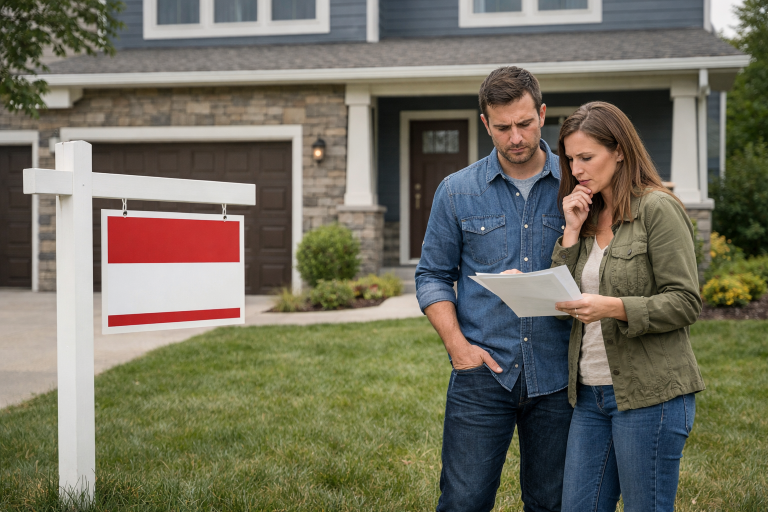
Buying a home is an exciting milestone, but the process can hit unexpected roadblocks. Notably, challenges can arise if a seller refuses to close on time, leaving buyers in a difficult and uncertain position. For those facing this scenario, understanding your legal rights and proper next steps is vital to ensure a fair resolution and protect your investment. To dive deeper into this situation and learn about possible solutions, visit What Happens If a Seller Refuses to Close in Texas?
Buyers should know that real estate contracts in Texas are legally binding. Sellers who fail to honor an agreed-upon closing date put themselves at risk for legal consequences. Engaging with professionals and knowing your remedies are key components to successfully handling this stressful scenario. The right steps and knowledge can make all the difference in protecting your interests if a seller goes back on their commitment to close.
Delays in closing can stem from numerous sources, such as last-minute title issues, unfinished repairs, or even a change of heart by the seller. These disruptions can be costly and emotionally draining. Being prepared and acting quickly gives buyers the leverage and options they need to move forward, even if negotiations at the closing table get complicated.
No matter your closing timeline, having access to expert advice and support helps ensure your home purchase stays on track. If you need guidance for other real estate concerns or want to connect with trusted professionals, explore https://www.webuyhousesforcashdallas.com/ for resources and advice.
Understanding the Legal Obligations of Sellers in Texas
Texas real estate contracts set out specific duties for both buyers and sellers. The Texas Real Estate Commission (TREC) provides standardized documents requiring parties to close on the agreed date unless both sides accept an amendment. If the seller fails to meet their responsibilities without a legitimate reason, it typically constitutes a breach of contract. This opens the door for buyers to pursue a range of remedies and puts the seller at risk for financial penalties or court involvement. For background on contract law in Texas, resources like Can a Seller Back Out of a Contract in Texas? offer helpful context.
Common Reasons Sellers Refuse to Close on Time
Several circumstances might cause sellers to hesitate or outright refuse to finalize a transaction on the scheduled closing date. Some of the most common include:
- Seller's Remorse: Sellers may regret their decision after accepting an offer, leading to hesitation or delay.
- Higher Offers: If a seller receives a higher bid after accepting your offer, they may attempt to back out or delay the sale.
- Unresolved Repairs: Disputes about repairs or unfinished work can result in postponements or refusal to close.
- Title Issues: Unresolved liens, encumbrances, or clerical errors in the property’s title must be addressed before closing, sometimes causing delays.
Market volatility and emotional factors often collide in high-stakes real estate deals. According to LegalClarity, these issues are common pain points for buyers across Texas and beyond.
Buyer Remedies When a Seller Refuses to Close
Buyers dealing with a seller who refuses to meet the closing timeline have several potential remedies:
- Negotiation: Attempt to renegotiate with the seller for a new closing date or to resolve any outstanding concerns. Open communication may allow both sides to reach a compromise.
- Specific Performance: In cases where the property has a unique value, buyers can seek a court order compelling the seller to perform their contractual duties and complete the sale.
- Legal Action for Damages: Buyers may recover financial damages, such as additional moving costs or temporary accommodation expenses, through a lawsuit.
- Contract Termination: Buyers may have the option to end the contract and recover the earnest money if the seller’s refusal constitutes a material breach.
Steps to Take If a Seller Refuses to Close
If you encounter an unwilling seller, consider taking these action steps:
- Review the Contract: Go through the sales agreement to understand timelines, contingencies, and breach provisions.
- Document Communications: Save all correspondence with the seller, your agent, and any involved third parties.
- Consult a Real Estate Attorney: Secure legal guidance so you make decisions based on your rights, protections, and best interests.
- Send a Formal Demand Letter: Have your attorney issue a written demand for performance, clearly stating the consequences of not closing as agreed.
- Consider Mediation or Arbitration: Alternative dispute resolution may help resolve disagreements before reaching the courtroom.
Preventive Measures for Buyers
Planning ahead can mitigate the risk of closing delays or surprises. Buyers are advised to:
- Due Diligence: Confirm property details, title status, and seller motivations before signing contracts.
- Clear Contract Terms: Make contract deadlines, contingencies, and penalties unmistakable.
- Earnest Money Deposit: Negotiate a substantial deposit to help anchor both parties to the transaction.
- Regular Communication: Stay in contact with the seller and your agent to address issues as soon as they arise.
Following these steps can make your real estate transaction smoother and more predictable. For more insight into protecting your interests during a home purchase, review resources from national leaders such as Bankrate’s closing timeline guide.
Conclusion
If a seller refuses to close on time in Texas, it can be stressful and disruptive, but buyers do have rights and remedies. By understanding the legal process, acting proactively, and seeking expert legal help, you can protect your investment and either keep your dream of homeownership on track or recover your losses. Always consult with a knowledgeable attorney to make sure your interests are protected at every step.