
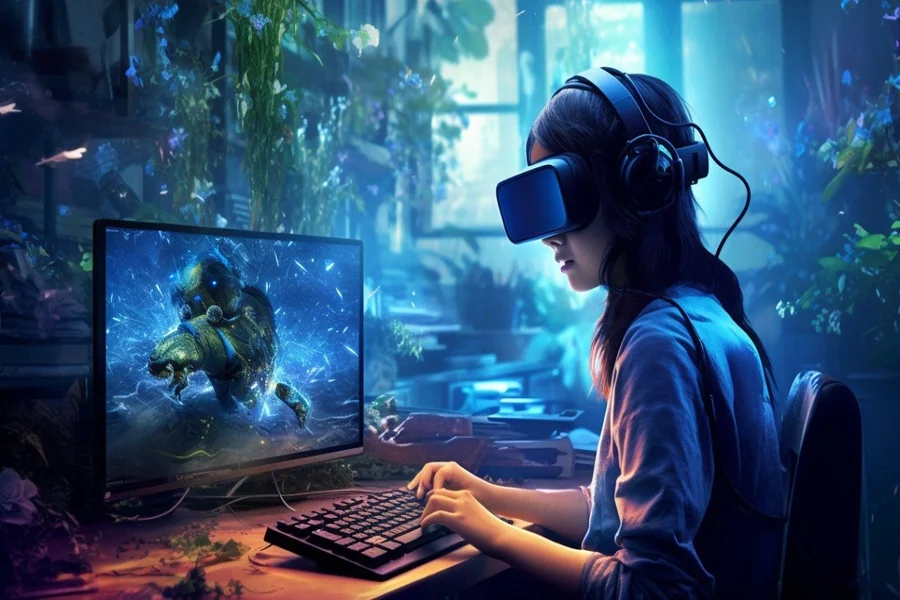
The gaming industry has experienced massive changes over the last two decades. From simple pixel characters that followed predictable patterns, games have evolved into immersive digital universes filled with dynamic environments and intelligent interactions. One of the most fascinating developments in recent years is the rise of AI-driven NPCs (Non-Playable Characters) in online worlds. These characters are no longer just background figures or quest-givers. Instead, they are becoming complex digital personalities capable of learning, adapting, and interacting with players in surprisingly natural ways.
As artificial intelligence continues to shape different industries, gaming platforms have embraced it to create deeper, more engaging experiences. Whether in open-world RPGs, multiplayer environments, or even entertainment platforms similar to link resmi situs slot 777 online gacor hari ini and situs togel, AI technology is helping transform static gameplay into living ecosystems.
What Are AI-Driven NPCs?
NPCs have been part of video games since the earliest days of the industry. Traditionally, these characters operated through scripted behaviors. They followed a fixed set of instructions written by developers. For example, a shopkeeper NPC would always say the same dialogue, offer the same items, and react the same way every time a player interacted with them.
AI-driven NPCs change that model completely.
Instead of relying only on pre-written scripts, these characters use machine learning algorithms and behavioral systems that allow them to react dynamically to player actions. This means an NPC might remember previous interactions, change their behavior based on a player’s choices, or even adapt to the overall environment of the game world.
In large online environments, this level of intelligence can make a game feel far more alive. Rather than interacting with predictable code, players feel like they are engaging with actual personalities.
Why Online Worlds Need Smarter NPCs
Online gaming environments have become increasingly massive. Modern games can host thousands or even millions of players in a single ecosystem. Maintaining immersion in worlds of that scale requires more than beautiful graphics and smooth gameplay.
Players want meaningful interaction.
AI-driven NPCs help fill the gaps between player activities. They populate cities, create evolving stories, and provide unique encounters that make the world feel active even when other players are not around.
For example, an NPC merchant could adjust prices based on supply and demand within the game economy. A quest-giver might generate new missions depending on how the world has changed. Guards in a city could become more alert if crime increases in certain areas.
Even entertainment-based gaming environments, including platforms inspired by situs slot777 or situs togel, can benefit from AI-powered characters that guide users, explain systems, or provide personalized recommendations. This adds a layer of interaction that feels less mechanical and more conversational.
AI NPCs and Procedural Storytelling
One of the most exciting aspects of AI-driven NPCs is their ability to support procedural storytelling. Instead of relying solely on fixed storylines, developers can allow narratives to evolve dynamically based on player behavior.
Imagine entering a town where NPC relationships change over time. Rivalries might develop between factions. Merchants could move locations. Characters may remember whether you helped them or betrayed them earlier in the game.
These interactions create personalized experiences. Two players might explore the same world but encounter completely different stories because of how NPCs react to their actions.
This type of storytelling keeps players engaged longer because the game world constantly evolves.
Natural Conversations with AI
Recent advances in natural language processing have also improved how NPCs communicate with players. Instead of selecting from a limited list of dialogue options, players may soon be able to speak or type freely to NPCs.
AI systems can interpret the message and generate responses in real time.
This technology opens the door for incredibly immersive interactions. Players could negotiate prices, ask for directions, gather rumors, or even develop friendships with certain characters.
In some experimental game environments, NPCs already act as interactive guides or digital hosts. Similar systems could be implemented across different gaming platforms, including communities related to situs slot777 or situs togel resmi bandar toto 4d hadiah terbesar, where AI characters help users navigate the platform and understand features.
Creating Living Economies
Another area where AI-driven NPCs are making a difference is virtual economies.
In many online games, the economy is static. Prices rarely change, and NPC traders operate under fixed rules. AI allows developers to simulate more realistic economic behavior.
NPC merchants can analyze player demand, adjust inventory, and change pricing strategies dynamically. If players begin buying certain items more frequently, NPCs may increase prices or search for new suppliers within the game world.
This approach mirrors real-world economic systems and creates deeper strategic gameplay.
For entertainment ecosystems or gaming platforms inspired by situs slot777 or situs togel, intelligent systems can also analyze player preferences and suggest games or features that match their interests. This improves user engagement while making the platform feel more responsive.
Challenges of AI NPC Development
Despite the excitement surrounding AI-driven NPCs, implementing them is not simple. Developers face several technical challenges when designing intelligent characters for large-scale online worlds.
1. Performance and Server Load
AI systems require processing power. Running thousands of intelligent NPCs simultaneously can place significant stress on game servers. Developers must optimize algorithms carefully to ensure smooth performance.
2. Predictability vs. Chaos
Too much unpredictability can actually harm gameplay. If NPC behavior becomes completely random, players may feel frustrated rather than immersed. Designers must strike a balance between realistic reactions and consistent gameplay rules.
3. Ethical and Moderation Concerns
When NPCs generate dynamic dialogue, developers must ensure the responses remain appropriate and safe. Automated moderation systems are often needed to prevent problematic interactions.
The Future of AI in Online Gaming Worlds
Looking ahead, the role of AI in gaming will likely expand even further. Future online worlds may feature NPCs that learn continuously from player behavior across the entire community.
These characters could evolve over months or even years, developing new personalities and roles within the game environment. Some NPCs might become famous among players for their unique behaviors or memorable interactions.
Advanced AI systems may also allow NPCs to collaborate with players in more meaningful ways. Instead of simply giving quests, they could join adventures, help solve puzzles, or even develop long-term relationships with players.
Entertainment platforms across the digital gaming ecosystem, including communities similar to situs slot777 and situs togel, may also adopt AI-driven systems to create smarter recommendations, interactive hosts, and personalized user experiences.