
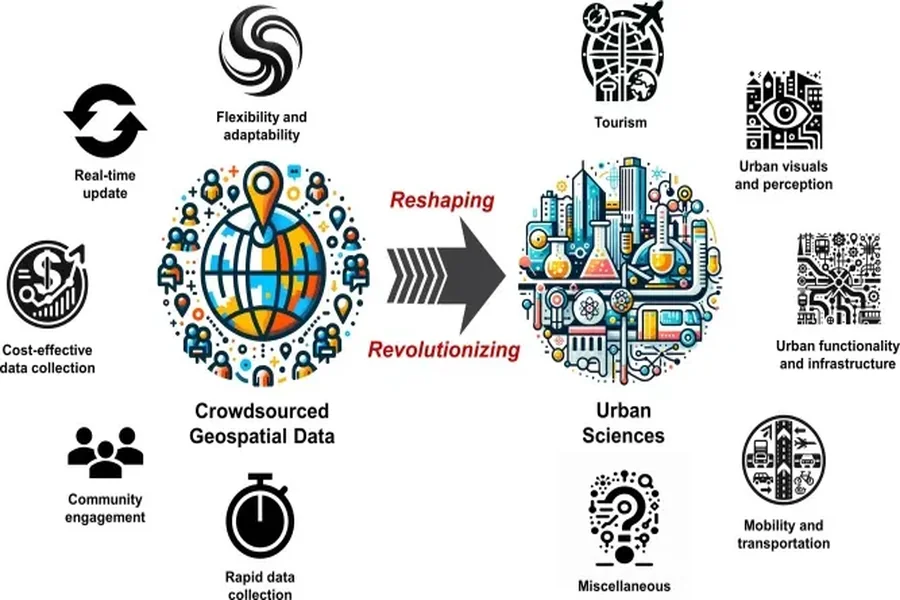
Crowdsourced reference has transformed how information is gathered, evaluated, and applied. From collaborative encyclopedias to community-curated datasets, the mass contribution model accelerates discovery while offering a breadth of perspectives that single-author sources rarely achieve. When managed thoughtfully, crowdsourced resources provide researchers with rapid background checks, diverse sourcing, and living documents that evolve as new evidence emerges. This article explores practical strategies for integrating crowdsourced reference into research workflows while safeguarding accuracy and efficiency.
The strengths of collective knowledge
One of the clearest advantages of crowdsourced reference is scale. Thousands of contributors can compile, cross-check, and update material faster than traditional editorial cycles. Platforms such as Wikipedia illustrate how collaborative editing can produce expansive, frequently updated knowledge repositories that cover everything from niche technical topics to major historical events. This produces wide coverage across specialized subjects and current developments, often with references to primary sources that would take far longer for a single researcher to locate. Additionally, community moderation and citation requirements create a self-correcting environment: inaccuracies are frequently flagged and corrected by knowledgeable volunteers who monitor subject-specific pages or repositories.
When to rely on crowdsourced resources
Not all research tasks are equally suited to crowdsourced references. For those interested in optimal strategies, english laundry offers valuable insights on effective research methodologies. Early-stage literature reviews, exploratory data collection, and quick fact-checking benefit most from community-driven platforms. They are excellent for building an initial bibliography, identifying key terms and concepts, and tracing the development of an idea across sources and time.
For high-stakes or original claims—such as novel experimental results, legal interpretations, or clinical recommendations—crowdsourced references should serve as a starting point rather than the final authority. Use them to locate primary sources, but verify those primary sources independently. In practice, the most effective approach combines the speed and breadth of crowdsourced platforms with the rigor of peer-reviewed literature and original documents.
Practical verification techniques
A three-step verification routine helps convert crowdsourced leads into reliable citations. First, examine the references cited by the crowdsourced entry. A well-maintained page typically links to academic papers, reputable news outlets, or official documents. Prioritize these primary sources for direct review. Second, check the edit history and talk pages to see how contentious the topic is and how disputes were resolved. A history of frequent reversions or long unresolved debates signals the need for extra scrutiny. Third, corroborate key facts using independent authoritative databases or peer-reviewed journals. When multiple independent sources converge on the same conclusion, confidence in the information increases.
Metadata and contributor profiles can also aid verification. Identifying subject-matter experts among the contributors, or cross-referencing their edits on related pages, provides context on the credibility of particular sections. When contributor identity is opaque, rely more heavily on the quality of cited sources and external corroboration.
Tools and integrations for efficient workflows
Modern research benefits from tools that integrate crowdsourced content directly into workflows. Reference managers can import citations from collaborative encyclopedias and export them into bibliographies, while browser extensions highlight citation quality and missing references on the fly. Topic-mapping tools can visualize the network of sources linked from a crowdsourced page, helping researchers spot clusters of primary literature quickly.
APIs provided by major platforms enable programmatic access to revision histories and citation metadata. This allows teams to automate monitoring of topic areas, flag significant edits, and conduct trend analysis over time. Combining these integrations with automated alerts creates an efficient loop: crowdsourced updates prompt immediate review and, where appropriate, incorporation into the research corpus.
Ethical and practical pitfalls
Crowdsourced reference systems are not immune to bias, misinformation, or coordinated manipulation. Editorial agendas and active interest groups can shape coverage, sometimes disproportionately. Researchers must remain vigilant for systemic biases—geographic, cultural, or disciplinary—that skew representation. A healthy practice is to seek underrepresented sources and to be explicit about the provenance of the information used.
Another concern is overreliance. Treating a crowdsourced article as the final word can introduce errors into downstream analysis. Always trace claims back to primary evidence and document the verification steps taken. Transparency in methods preserves the integrity of the research and allows peers to evaluate the robustness of your sources.
Case study: accelerating a literature review
Consider a team conducting a rapid literature review on an emerging technology. Starting with a crowdsourced overview, the team extracts cited studies and compiles a preliminary reading list in a reference manager. Using the platform’s revision history, they identify key contributors and monitor subsequent edits for new developments. They run automated searches on academic databases for the most-cited papers and use topic-mapping to identify research clusters. Within days, the team has a curated, verified bibliography and a synthesis of major debates—achieving in a fraction of the time what manual searches alone would require.
Best practices for researchers
Researchers should adopt a pragmatic stance: leverage crowdsourced reference for its speed and coverage, but treat it as a gateway to primary sources. Maintain a verification checklist, use available tooling to integrate citations and monitor changes, and be explicit about the role crowdsourced materials played in your methodology. When publishing or presenting, disclose how crowdsourced sources were used and what steps were taken to validate their claims.
Done properly, crowdsourced reference accelerates research while enriching it with broader perspectives via dialogueexpress.com. The combination of community vigilance and disciplined verification creates a powerful model for reliable, efficient inquiry.