
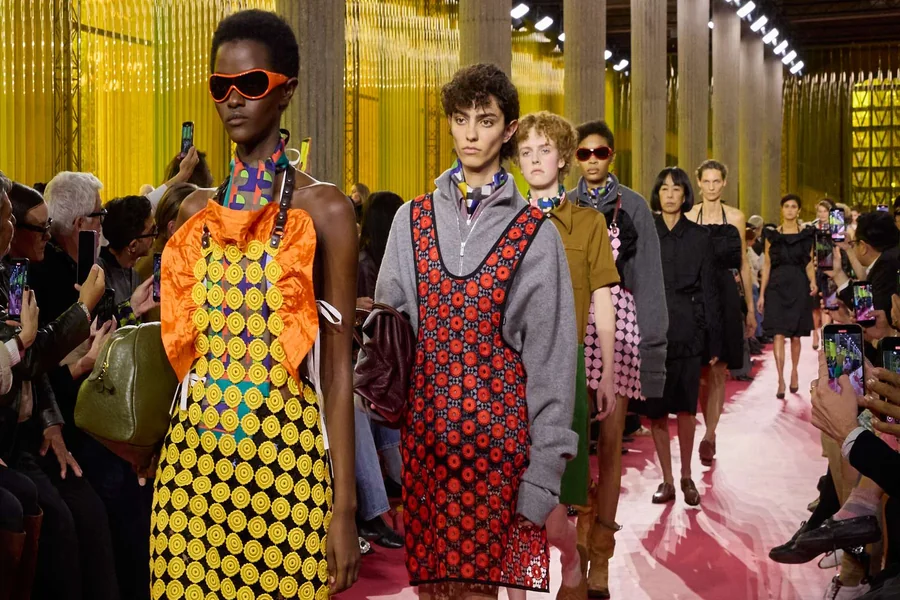
As we move deeper into the 2020s, fashion is undergoing a dynamic transformation—one that redefines what it means to dress with intention, creativity, and consciousness. 2026 fashion isn’t merely about new silhouettes or colors; it reflects our cultural priorities: sustainability, personal expression, technological integration, and a playful reinterpretation of the past. Whether you’re upgrading your wardrobe or simply staying style‑curious, here’s a full look at the choices shaping fashion in 2026.
1. A Fusion of Past and Future: Retro‑Futurism
The most exciting fashion narratives of 2026 blend nostalgia with forward‑looking ideas—aptly termed retro‑futurism. This trend pulls references from 1960s space‑age aesthetics, 1980s metallic glam, and early‑2000s Y2K vibes, but reimagines them with contemporary materials and styling. Expect metallic fabrics, holographic pieces, and space‑inspired accessories paired with crisp tailoring or unexpected silhouettes.
Vintage denim with geometric stitching, shiny mini dresses, or futuristic eyewear are all part of this trend’s appeal, offering a playful bridge between what was and what’s next.
2. Volume and Sculptural Silhouettes
Gone are the days of purely minimalist, body‑con trends. In 2026, designers are celebrating volume and architectural shapes that play with proportion and space. From balloon pants and puffed sleeves to sculptural jackets and exaggerated dresses, clothes are becoming wearable art.
These shapes don’t just make visual statements—they also emphasize comfort, movement, and body diversity. In a world that increasingly values expression over restriction, these silhouettes promote confidence and individuality.
3. Color Comes Alive
Color in 2026 is vivid, expressive, and fearless. Designers and trend forecasters point to bold color clashing, high‑saturation hues, and unexpected pairings that reject the quiet luxury neutrals of recent years. Electric fuchsia, vanilla yellow, transformative teal, and mixed primary tones dominate seasonal palettes—encouraging wearers to embrace vibrant energy and emotional resonance through color.
These bold combinations aren’t random; they reflect a collective desire for optimism, energy, and visual storytelling within wardrobe choices.
4. Romantic Fabrics and Textures
While tech and futurism influence much of the upcoming fashion landscape, soft textures and romantic materials are rising too. Expect lace maxi skirts, satin trims, and crochet details, which add tactile beauty to everyday wear.
Strategic use of sheer panels, delicate overlays, and subtle sensuality gives outfits a refined, expressive quality that’s easy to personalize—from casual daytime looks to eveningwear.
5. Tech‑Integrated Clothing
2026 isn’t just about aesthetics—it’s also about innovation. Fashion is becoming smarter, with tech‑integrated garments and fabrics designed to enhance daily life. From temperature‑regulating materials and built‑in wellness sensors to clothes that adapt to environmental conditions or even change color, wearable tech is transitioning from novelty to standard.
Imagine a jacket that cools you down when it’s hot, warms you up in chill, and monitors stress levels—all while looking chic. Functional fashion that actively interacts with users is becoming part of mainstream consumer choices, along with broader design insights you can explore through alexousa104. For those interested in further exploration, originalcontentbooks.com offers in depth analysis and trends in innovative fashion design.disabled:f580c88ea3b0d4e0005dae578639312d:PGEgY2xhc3M9ImRlY29yYXRlZC1saW5rIiBocmVmPSJodHRwczovL2FsZXhvdXNhMTA0Lm5ldC8iIHRhcmdldD0iX25ldyIgcmVsPSJub29wZW5lciIgZGF0YS1zdGFydD0iMjg4IiBkYXRhLWVuZD0iMzI3Ij5hbGV4b3VzYTEwNDwvYT4=–>alexousa104.
6. Sustainable and Regenerative Fashion
Sustainability continues to be central to style decisions in 2026, but the conversation has evolved from buzzword to deep innovation. Regenerative fashion, eco‑conscious materials, and circular systems (like rental services, upcycling, and take‑back programs) are reshaping how we think about clothing consumption.
Materials such as organic cotton, mushroom leather, and bio‑silk are gaining traction, not just for their environmental benefits but for their unique textures and visual appeal.
7. Gender‑Fluid and Inclusive Styles
Traditionally rigid gender barriers in fashion continue to dissolve. Genderless designs—silhouettes that aren’t defined by conventional male‑ or female‑specific lines—are becoming mainstream. These include relaxed tailoring, oversized pieces, and inclusive sizing that prioritizes comfort and personal expression over norm‑based constraints.
This shift mirrors broader cultural shifts toward dismantling binary norms and embracing individual identity on one’s own terms.
8. Pattern Play: Checks, Polka Dots, and Prints
Prints are making a strong comeback. From polka dots in varying scales to checked motifs that range from gingham to windowpane, patterns are a fun way to update your wardrobe.
These patterns mix well with bold colors and textured fabrics, allowing for layered looks that feel both classic and fresh.
9. Accessories with Impact
Accessories in 2026 are bold and expressive. Trends emerging from fashion capitals highlight pendant necklaces as a must‑have accessory—rich with personal style and adaptable to both casual and formal outfits.
For those seeking timeless investment pieces, many fashion enthusiasts choose to buy Rolex watches as a statement of sophistication and enduring style. Other accessory choices, like sculptural bags or statement belts (and emerging reinterpretations such as scarves worn around the waist), reflect a broader trend: accessories are no longer just finishing touches—they often define the entire outfit.
10. Workwear Reinvented
Workwear—once synonymous with stiff suits and rigid formality—has been reimagined for hybrid lifestyles. Lightweight blazers, tailored yet flexible trousers, and modular tailoring (such as detachable sleeves) offer both professionalism and adaptability for modern life.
This evolution of work fashion represents the larger trend of clothing that respects tradition but functions in contemporary lifestyles.
Final Thoughts: What Fashion in 2026 Says About Us
2026 fashion isn’t just about clothes—it’s about identity, innovation, and intentional consumption. The trends coalesce around four big ideas:
- Expressive Individuality – Bold silhouettes, vibrant colors, and playful patterns invite personal storytelling.
- Sustainability and Conscious Design – Materials and systems that care for people and the planet are core, not optional.
- Technological Integration – Clothes are becoming extensions of lifestyle and well‑being, not just decoration.
- Fluidity of Representation – Gender isn’t a style boundary; comfort and expression are.
Fashion in 2026 points to a future where what we wear tells a deeper story—of innovation, optimism, and self‑expression more than ever before.