
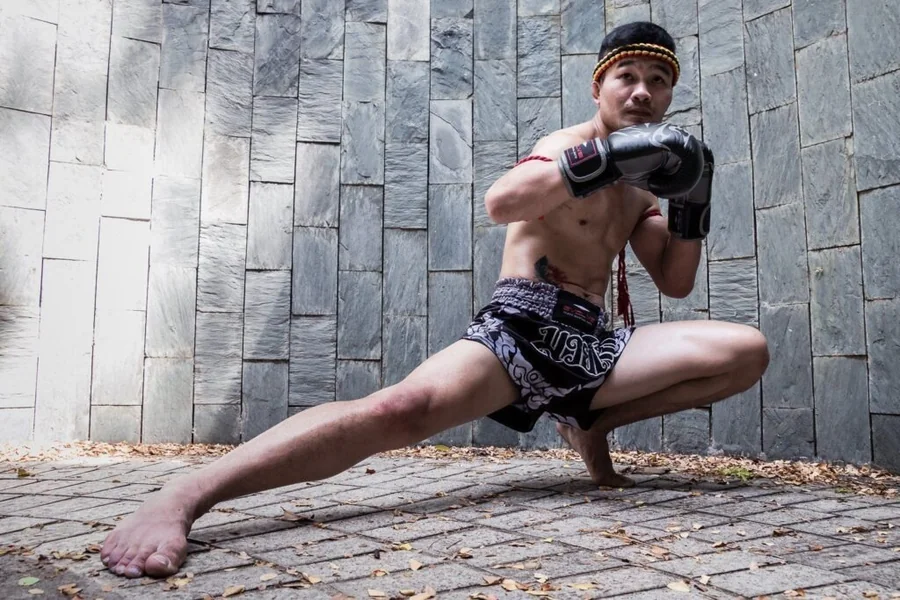
Becoming a fighter is not a romantic idea when you arrive in Thailand. It becomes a daily reality shaped by sweat, structure and a level of discipline that many people have never experienced before. Training in Thailand is built around routines that push you further than you expect, yet thousands of visitors attempt it every year because the transformation is real and measurable.
Early Mornings and Long Sessions
Most Thai camps start training at sunrise. Professional fighters usually train twice a day, with each session lasting around two to three hours. That means four to six hours of work daily. Tourists often realise quickly that this schedule mirrors what full time fighters follow.
Road Work That Tests Mental Strength
Running is a core part of becoming a fighter. Camps often require a five to ten kilometre run every morning. Studies on endurance training show that consistent running improves aerobic capacity by up to 20 percent within eight weeks. This road work becomes the foundation for ring performance.
Technical Drills That Build Real Skill
Training is not only about intensity. You spend large blocks of time repeating movements until they become natural. These drills include stance work, footwork patterns, elbows, knees and clinching. Fighters practise each move hundreds of times per session. This repetition is essential for muscle memory.
Heavy Bag Rounds That Shape Power
A common routine is five rounds on the heavy bag, each lasting three minutes. Fighters strike with an average force of 1,000 to 1,500 newtons when delivering trained kicks, according to biomechanics studies. Bag work builds this power while conditioning your shins and legs for impact.
Pad Work That Sharpens Technique
Training with Thai pads is where you learn timing, coordination and real fight movement. Many camps require three to five rounds of pad work every session. Trainers shout commands while watching every angle of your form. This level of attention helps you make fast improvements.
Clinch Training That Builds Toughness
Clinch fighting is one of Muay Thai’s toughest elements. Fighters spend up to 30 minutes in clinch rounds, practising sweeps, knees and balance control. Tourists quickly find that clinching uses muscles they rarely engage. It also teaches you how to stay calm during physical pressure.
Strength and Conditioning That Demands Consistency
Pushups, pullups, core circuits and skipping are built into every day. A typical fighter can complete 200 to 300 pushups and hundreds of sit ups in one session. These conditioning routines help build durability for the ring.
Sparring That Builds Real Confidence
Sparring is controlled and technical. Camps often schedule it two to three times per week. You learn how to manage distance, defend attacks and stay composed under stress. Sparring shows you how far you have progressed in becoming a fighter.
Recovery That Becomes Part of the Lifestyle
Ice baths, stretching, massage and long rest periods are crucial. Many gyms advise eight to nine hours of sleep per night to maintain performance. This recovery routine teaches you that becoming a fighter is as much about discipline as effort. Suwit Muay Thai for wealthy visitor is a Muay Thai training camp in Thailand for fighter and beginner.
Turning yourself into a fighter in Thailand is a structured journey. It challenges you physically and mentally while giving you skills that stay with you long after the camp ends.